

Kosovo’s Prime Minister Albin Kurti has said that efforts are being made to verify claims that ambulance vehicles have been used for the transportation of weapons in northern Kosovo.
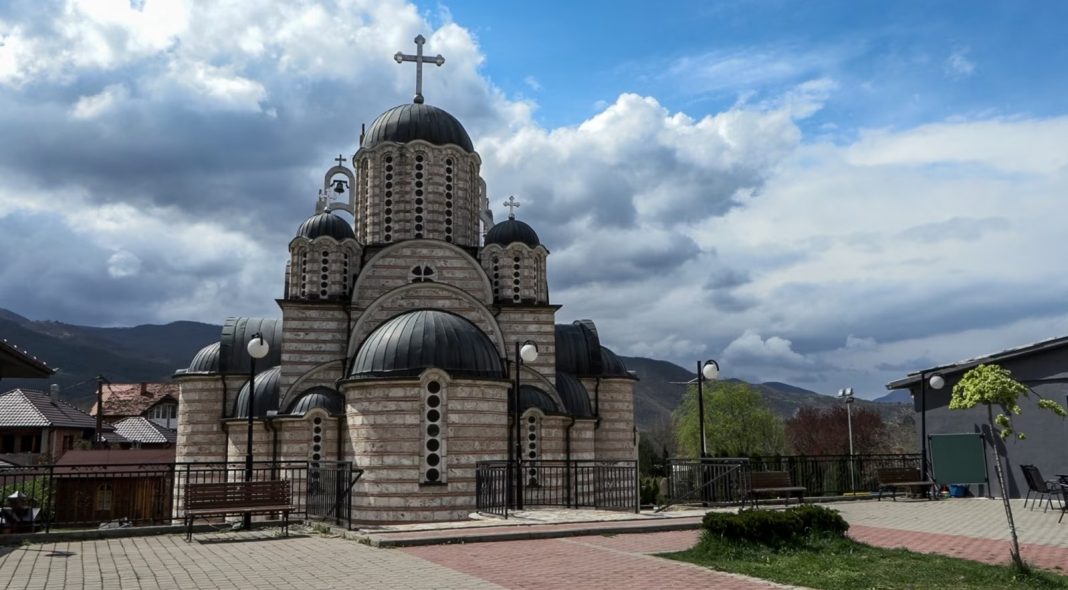
Allegations regarding arms smuggling through ambulance vehicles and their storage in churches in Kosovo were made public by British lawmaker Alicia Kearns one day prior, during a debate in the British Parliament.
Kurti said that further statements regarding these claims can only be made after he meets with representatives from the NATO mission in Kosovo, KFOR, and Kosovo’s security institutions.
“We are currently gathering data. This issue should be clarified within this week,” Kurti said during a press conference on 5 July.
British lawmaker Kearns claimed that British troops, who are part of the NATO mission in Kosovo (KFOR), “discovered that weapons were being smuggled through the border from Serbia into Orthodox churches in Kosovo, using ambulance vehicles”.
The British parliamentarian alleged that when British troops discover that weapons have been sent to churches, they request permission to respond, but permission is often delayed, adding that subsequently, all the weaponry “is removed from the churches”.
KFOR mission stated that the incidents mentioned by the British lawmaker refer to the year 2022 when “a British Army battalion was engaged in northern Kosovo in support of the NATO mission”.
The mission said that reports on the alleged presence of illegal weapons were forwarded to the KFOR headquarters, but no evidence of smuggling was found during the investigations.
“For a comprehensive overview, this kind of activity falls under the rule of law and is the responsibility of security organizations in Kosovo,” KFOR stated.
Regarding the allegations made by the British lawmaker, Serbian Minister of Defense Miloš Vučević stated that churches are the target of attacks by “Albanian lobbyists” because they are a place of refuge for the Serbian people.
Vučević told Serbian television Pink that the accusations by the British lawmaker are “fabrications and untrue”.
Meanwhile, the Diocese of Raška and Prizren of the Serbian Orthodox Church has called for an “urgent investigation” and added that this is a way of “criminalizing” the church and putting the clergy at risk.
“Even if these allegations are proven true, individuals within the church who are found to be involved in the misuse of objects of the Serbian Orthodox Church and church services for the alleged transfer or storage of weapons will face severe penalties from the church and will be expelled. However, if KFOR does not confirm the veracity of these claims, the Diocese of Raška and Prizren will request through the British Embassy in Pristina that the respective lawmaker apologize for her inciting and inaccurate statements, which have serious consequences,” the Diocese stated in its press release.
Allegations of arms smuggling from Serbia come amid escalating tensions in northern Kosovo, predominantly inhabited by Serbs.
Since the end of May, Serbs have been protesting in Zvečan, Zubin Potok, and Leposavić, opposing the appointment of new Albanian mayors working from municipal buildings. Local Serbian residents are also demanding the withdrawal of special units of the Kosovo Police from the vicinity of these buildings.
Local Serbs clashed with KFOR personnel in Zvečan on 29 May. Dozens of individuals from both sides were injured in the clashes.
The international community has called on Kosovo and Serbia to take immediate steps to reduce tensions and hold new local elections in the north.




