

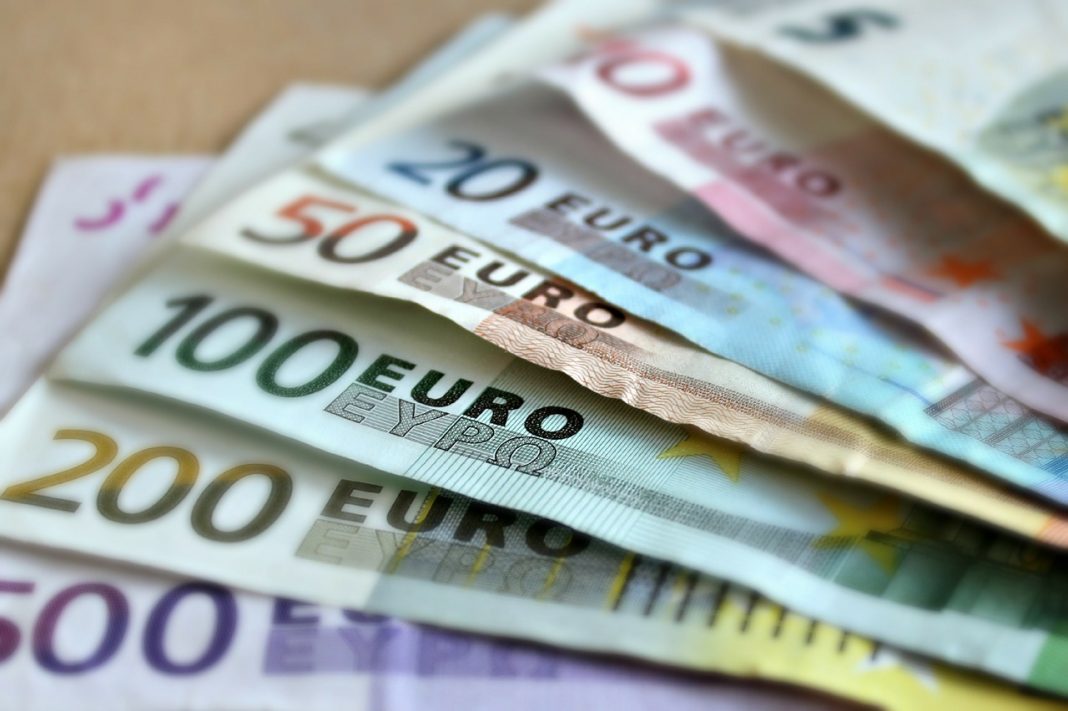
On Thursday, the euro-lek exchange rate saw another notable increase.
According to the official exchange rate provided by the Bank of Albania, the euro was traded at 104.87 lek, showing a rise of 2.65 lek compared to the previous day and 4.38 lek compared to the record low of 100.49 lek reached the previous Thursday.
Market analysts report that all commercial banks have entered the foreign currency buying market, driving up demand and pushing the exchange rate higher at a rapid pace. Experts believe that this situation is a result of substantial demands from corporate clients. Banks are purchasing foreign currency to meet this demand or to close positions resulting from significant sales.
Market agents also speculate that other entities might have chosen this specific period of the year to buy currency, based on expectations of a seasonal decline in the euro-lek rate. This has caused a concentrated demand and an unusual surge in the euro, particularly during the peak tourist season. The sudden rise in demand has created a sense of panic, evident in the rapid increase of exchange margins, which agents use as a mechanism to avoid losses during strong short-term fluctuations.
The exchange rate followed a similar trend earlier this year when, after a prolonged downward trajectory, the euro experienced several days of sharp increase. Experts believe that under normal circumstances, such a rapid rate increase is unlikely to persist for an extended period, considering that the currency supply during this time of the year is expected to be ample.
As anticipated, the swift rise of the euro has also influenced most other significant currencies. The US dollar was traded at 94.23 lek, reaching its highest level in the last two weeks. Similarly, the British pound saw an increase, reaching a value of 122.29 lek and touching its highest level in over two weeks.




