

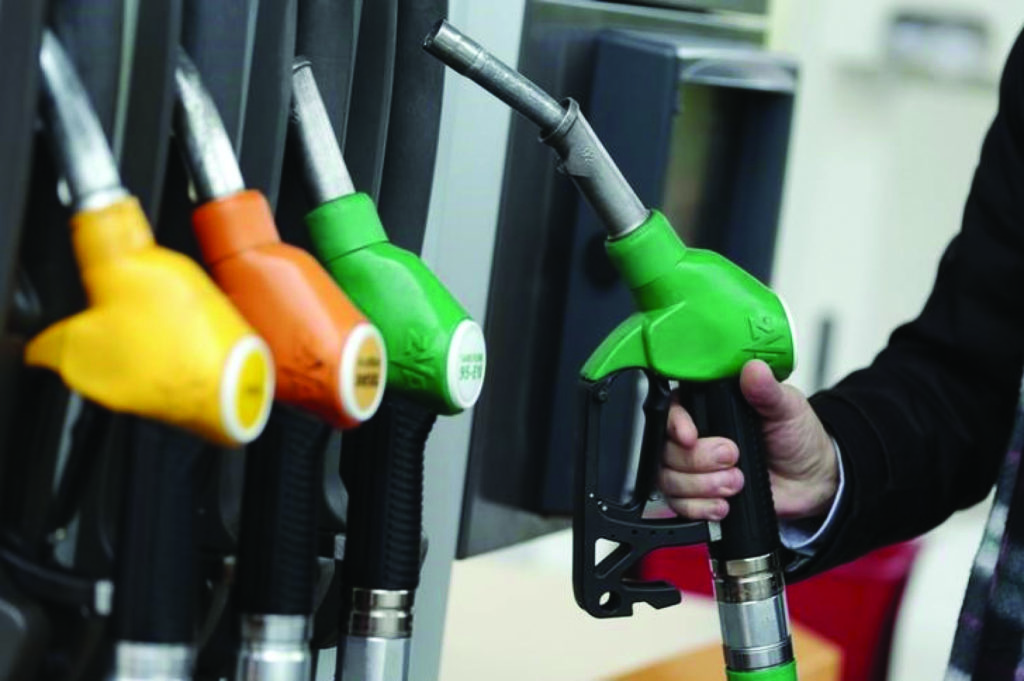
Gasoline prices have once again surged in the Albanian market, increasing by 5-7 lek per liter, marking the third consecutive rise within a matter of weeks.
Since July 15, when the price hikes commenced, gasoline prices have surged by a cumulative 16 lek per liter, marking a total of three increases. This brings the prices to the highest level recorded since mid-March this year.
Before this recent surge, the price had dropped to 179 lek.
Market operators assert that this trend is closely linked to the upward movement of fuel prices on the stock exchange. The Platts index, which is utilized as a reference point by Albanian importers, concluded at 940 US dollars per ton on Friday, marking the highest level observed since October 2022. The prevailing trend appears to be leaning toward further increases, potentially reaching 1000 US dollars.
Reuters reports that oil prices climbed on Friday in response to the International Energy Agency’s projection of record-breaking global demand and supply constraints. This has led to continued price escalation for the seventh consecutive week, the longest duration of increase since 2022. Brent crude oil futures contracts experienced a 41-cent rise, equating to a 0.5% increase, ultimately reaching 86.81 US dollars per barrel. Additionally, West Texas Intermediate (WTI) crude oil prices saw a 37-cent uptick, or 0.5%, reaching 83.19 US dollars. Over the course of a week, both indices experienced approximately a 0.5% growth.
Conversely, the dollar, the currency through which oil purchases are executed by local traders, remains at its lowest levels in at least a decade. On Friday, a dollar was exchanged for 94.5 lek, based on the official exchange rate of the Bank of Albania. This is a notable decrease from the 108 lek observed in mid-March.
Taxes also play a significant role in maintaining high fuel prices. Market operators contend that, beyond exchange fluctuations, another determinant keeping prices elevated in the country is the substantial tax burden on fuel, accounting for over 60% of the total cost. In addition to VAT, excise taxes, and circulation fees, around 8 lek per liter contributes to ancillary charges such as marking, scanning, auditing, and relicensing. Many of these fees have largely been deemed unnecessary.
Recent government decisions also reflect this scenario, as the fuel marking contract has been extended for an additional year. This contract, with a cost borne by consumers, translates to approximately 7-8 million euros annually.




