

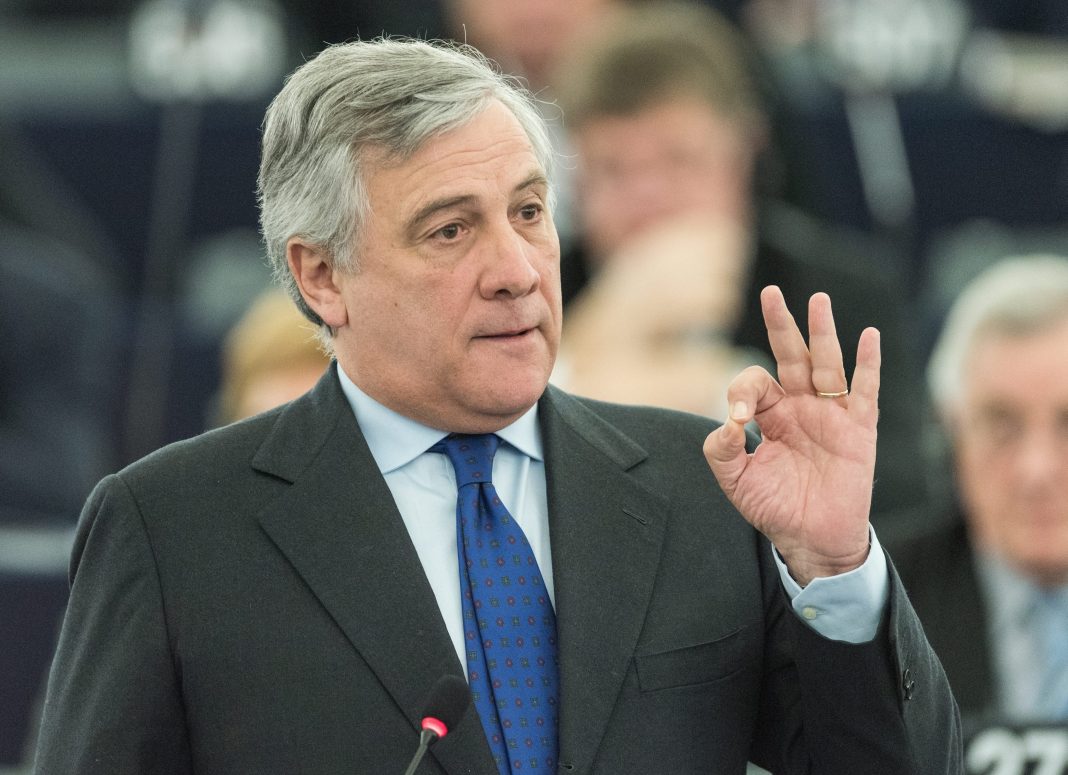
Antonio Tajani, the leader of Italian diplomacy, has issued a cautionary statement regarding the reinforcement of NATO troops along the Kosovo-Serbia border. This move is aimed at preventing further escalations of violence in the region, amidst growing concerns about renewed unrest.
Tajani conveyed his message on the X network, formerly known as Twitter. He revealed that he engaged in discussions with Serbia’s President Aleksandar Vučić and Kosovo’s Prime Minister Albin Kurti, urging them to play a constructive role in facilitating dialogue between the involved parties.
“We are actively collaborating with Guido Crosetto, the Italian Minister of Defense, to bolster the presence of KFOR (Kosovo Force) along the border that separates Serbia and Kosovo. Our primary objective is to avert any potential future confrontations,” reads the social media post.
L'🇮🇹 protagonista di pace nei #Balcani. Ho parlato con Pres. Vucic e con PM Kurti. Ho chiesto ad entrambi di favorire il dialogo tra le parti. D'accordo con @GuidoCrosetto lavoriamo per rafforzare la presenza di KFOR al confine tra Serbia e Kosovo e prevenire ulteriori scontri.
— Antonio Tajani (@Antonio_Tajani) September 25, 2023
This warning comes in the wake of the violent clashes that occurred on Sunday in the village of Banjska in northern Kosovo. During this incident, a group of masked individuals wearing military uniforms attacked the Kosovo Police, resulting in the tragic death of one officer and injuries to another.
The assailants subsequently forcibly entered an Orthodox monastery located in the village of Banjska, where they continued to target the police. The confrontation reached its conclusion when the majority of the attackers fled the scene. Three of the armed assailants lost their lives during the incident, while six individuals were apprehended.
Kosovo’s authorities and Western diplomats have characterized this attack as a terrorist act. Prime Minister Albin Kurti alleged that the armed group received support from Serbian authorities, although Serbian President Aleksandar Vučić vehemently denied any involvement or connection with the group.
On Monday, Miroslav Lajčák, the European Union envoy responsible for Kosovo-Serbia negotiations, convened discussions with diplomatic advisers from France, Germany, and Italy, along with the U.S. Special Envoy for the Western Balkans, Gabriel Escobar. The focus of their talks was centered on the evolving situation in Kosovo and the ongoing negotiations between the concerned parties.
“Intense and very substantial consultations with Chief diplomatic advisers [France’s Emmanuel] Bonne, [Germany’s Jens] Plötner, [Italy’s Francesco] Talo, and DAS Escobar. We discussed the next steps in the implementation of the Agreement on the Path to Normalization and the situation in the north of Kosovo. Grateful for the full support,” conveyed Lajčák.
Intense and very substantial consultations with Chief diplomatic advisers Bonne, Plötner, Talo and DAS Escobar. We discussed the next steps in the implementation of the Agreement on the Path to Normalisation and the situation in the north of Kosovo. Grateful for the full support. pic.twitter.com/UIFNVQ3IOE
— Miroslav Lajčák (@MiroslavLajcak) September 25, 2023
European Union officials have disclosed that Lajčák is actively working towards organizing fresh meetings in both Pristina and Belgrade, as part of efforts to rekindle dialogue. The most recent round of negotiations, which took place on September 14 in Brussels, yielded no significant progress.
Sunday’s attack represents one of the most consequential incidents in Kosovo since the culmination of the 1998-1999 conflict, a war that was ultimately brought to an end through NATO intervention to curb the atrocities committed by Serbian forces in Kosovo.
Nine years following the cessation of hostilities, Kosovo declared its independence with the backing of the United States and several prominent Western nations. However, this move has been met with persistent opposition from Serbia and its ally, Russia.




