

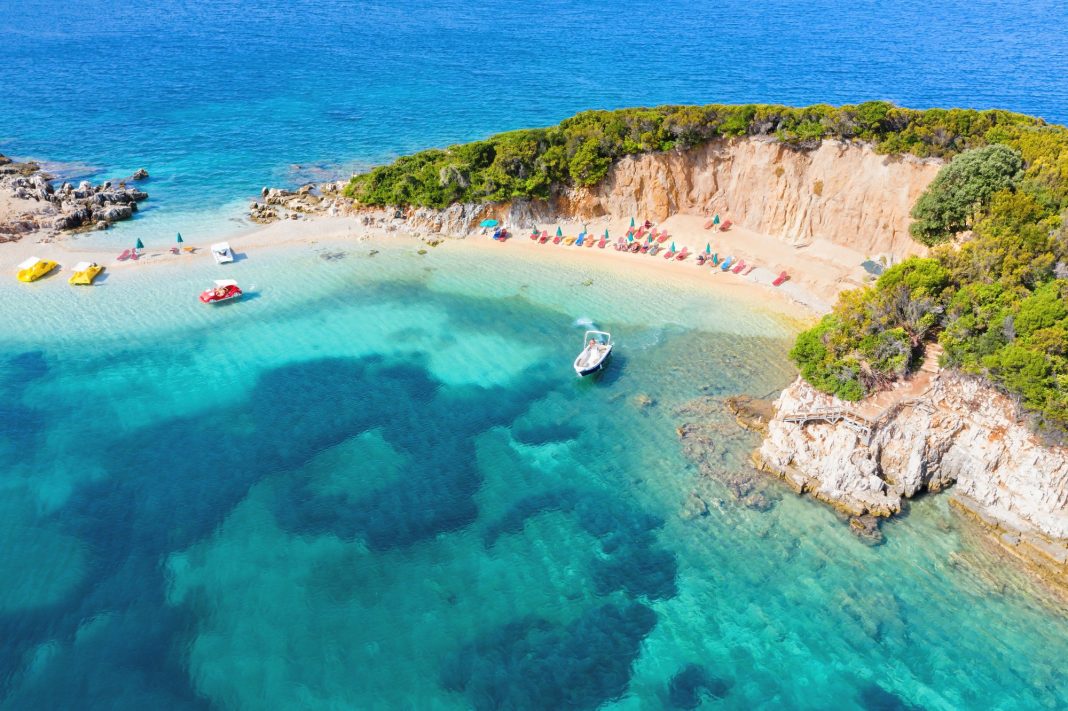
The combination of low prices and its proximity to the well-known holiday destination of Greece is continually drawing more tourists to Albania.
“Albania has emerged as one of the most sought-after travel destinations we have after the pandemic. But even in the years prior, Albania was becoming increasingly popular,” says David Karlsson, the managing director of Tema-Reiser.
He explains that many choose Albania based on recommendations from friends and family. “Nevertheless, we find that many are pleasantly surprised because it’s so much better than they expected,” he adds.
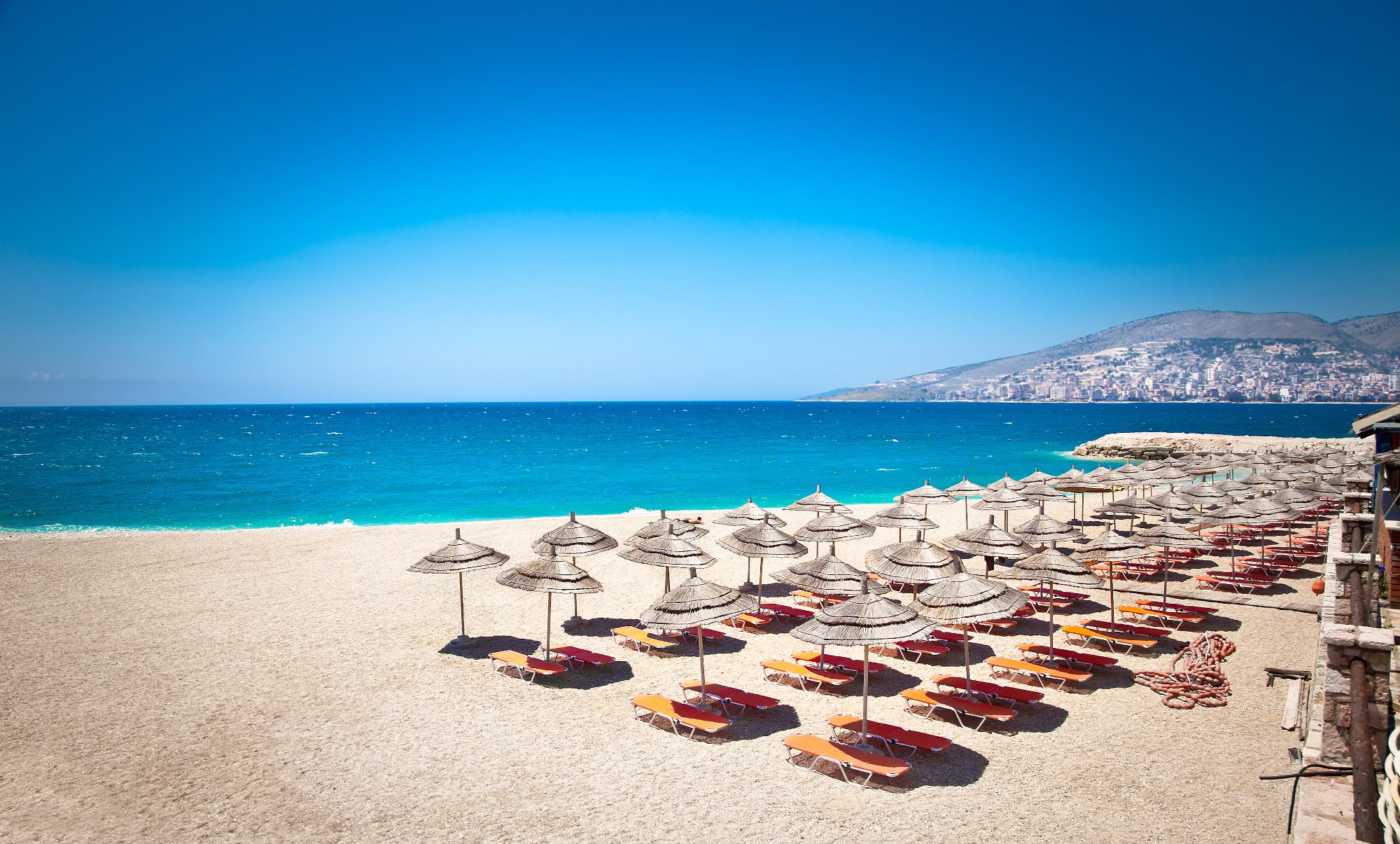
Karlsson describes Albania as hospitable, affordable, with beautiful natural landscapes and great hiking opportunities.
“I think many have formed an image of Albania based on glimpses from the 1980s when the country was one of Europe’s most isolated Eastern Bloc nations. A gray and gloomy image, and then they are overwhelmed by the colorful, warm country that greets them,” says Karlsson.
Major tour operators in Norway all offer trips to Albania. They confirm significant interest, both for package tours and flexible holidays that allow travelers to arrange flights and accommodations according to their preferences.
Albania is not only more affordable than its neighboring country, Greece, but it also offers many unique experiences.
Brand new culinary adventures
According to Karlsson, the culinary experiences are among the most surprising aspects. Albanian cuisine is described as a diverse blend of Mediterranean and Balkan fare.
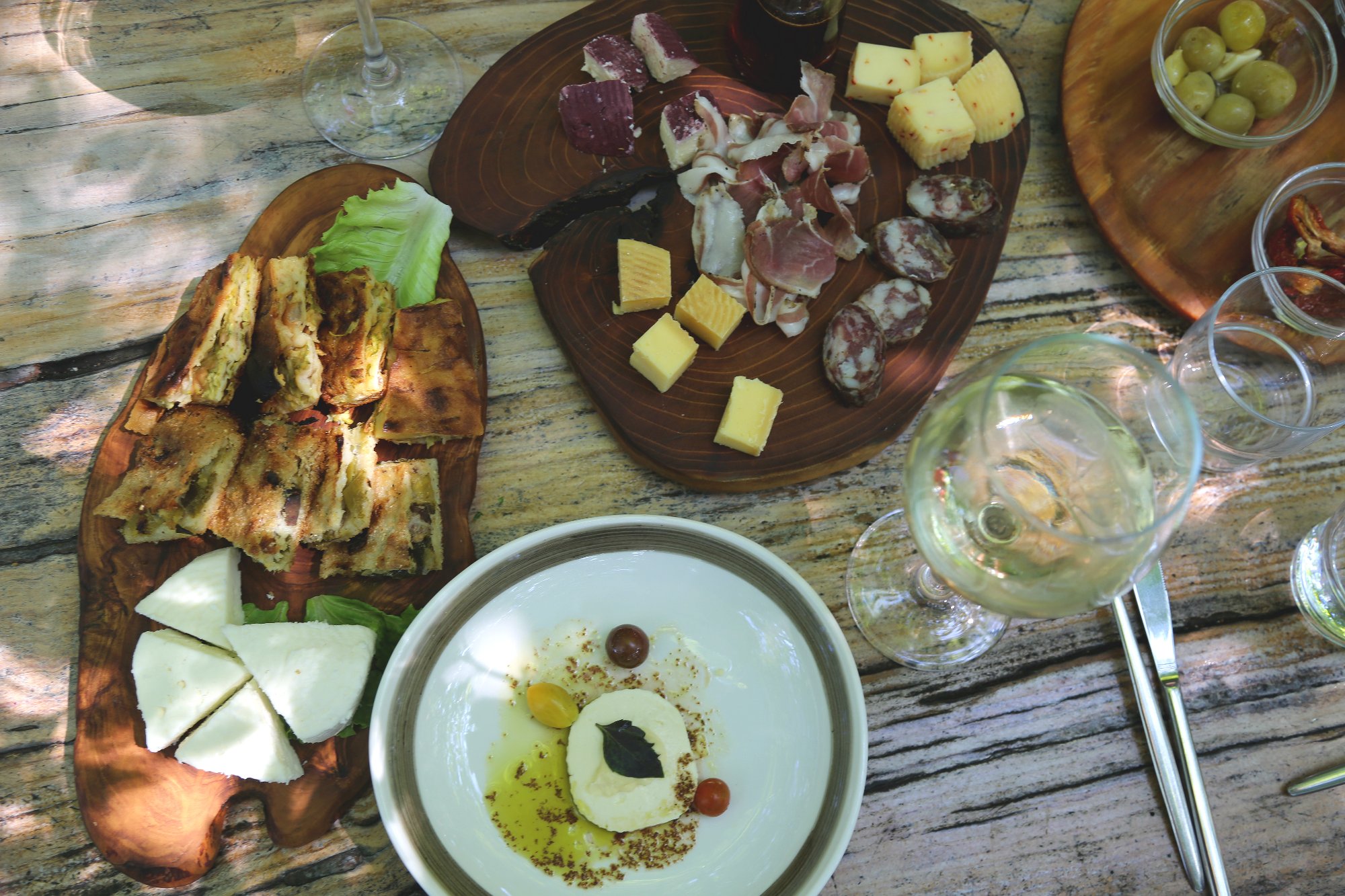
Before the country declared its independence in 1912 and later became highly isolated as a communist state, Albania was occupied by various powers, including the Roman Empire and the Ottoman Empire. As a result, the cuisine incorporates elements from Italian, Turkish, Ottoman, and Greek culinary traditions. Common ingredients include olive oil, vinegar, vegetables, spices, meat, seafood, and cheese. Typical accompaniments are rice, bread, or potatoes.
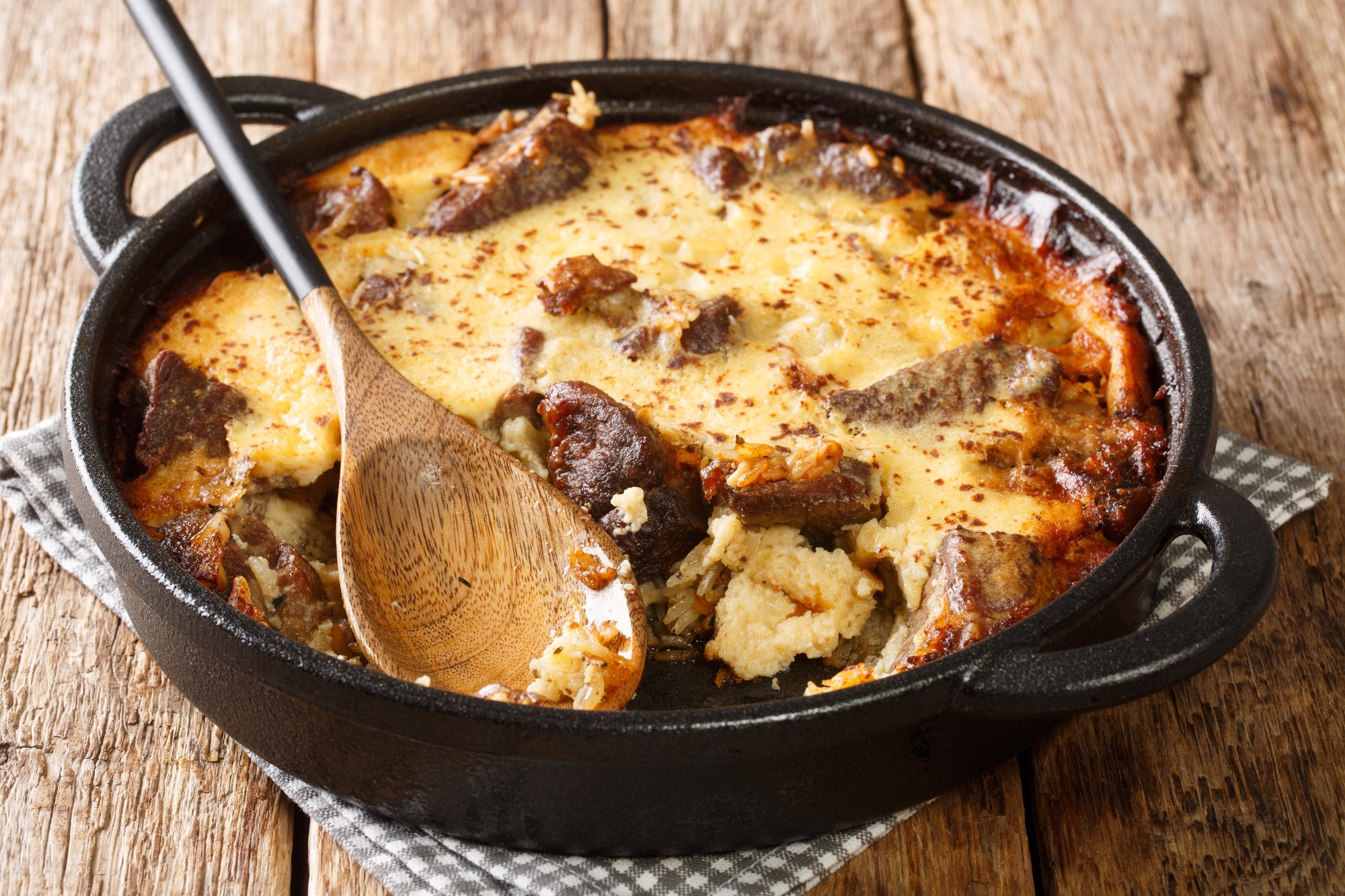
Albania’s national dish, “tavë kosi”, is a slow-cooked lamb dish served with rice, vegetables, and yogurt sauce.
Breathtaking nature
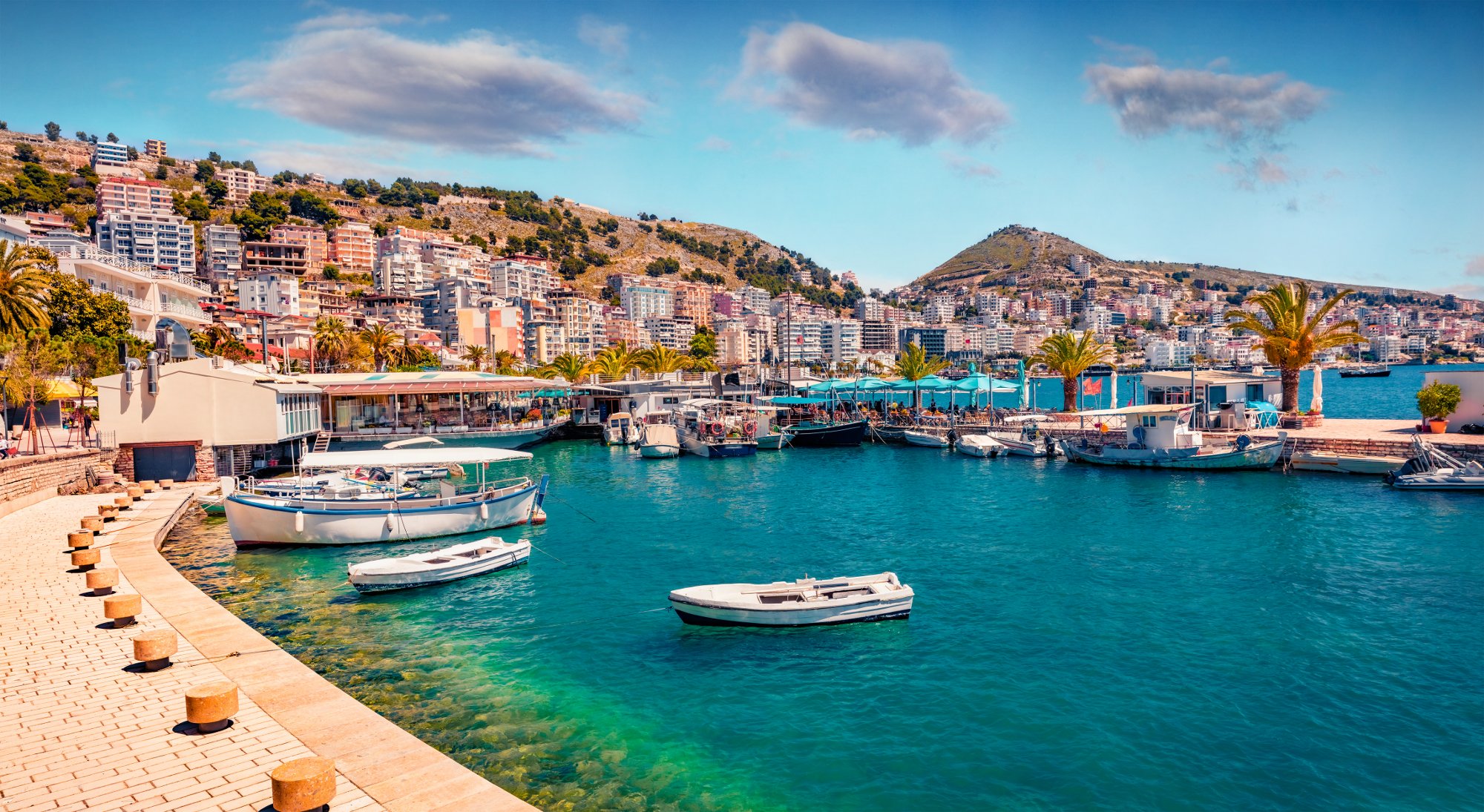
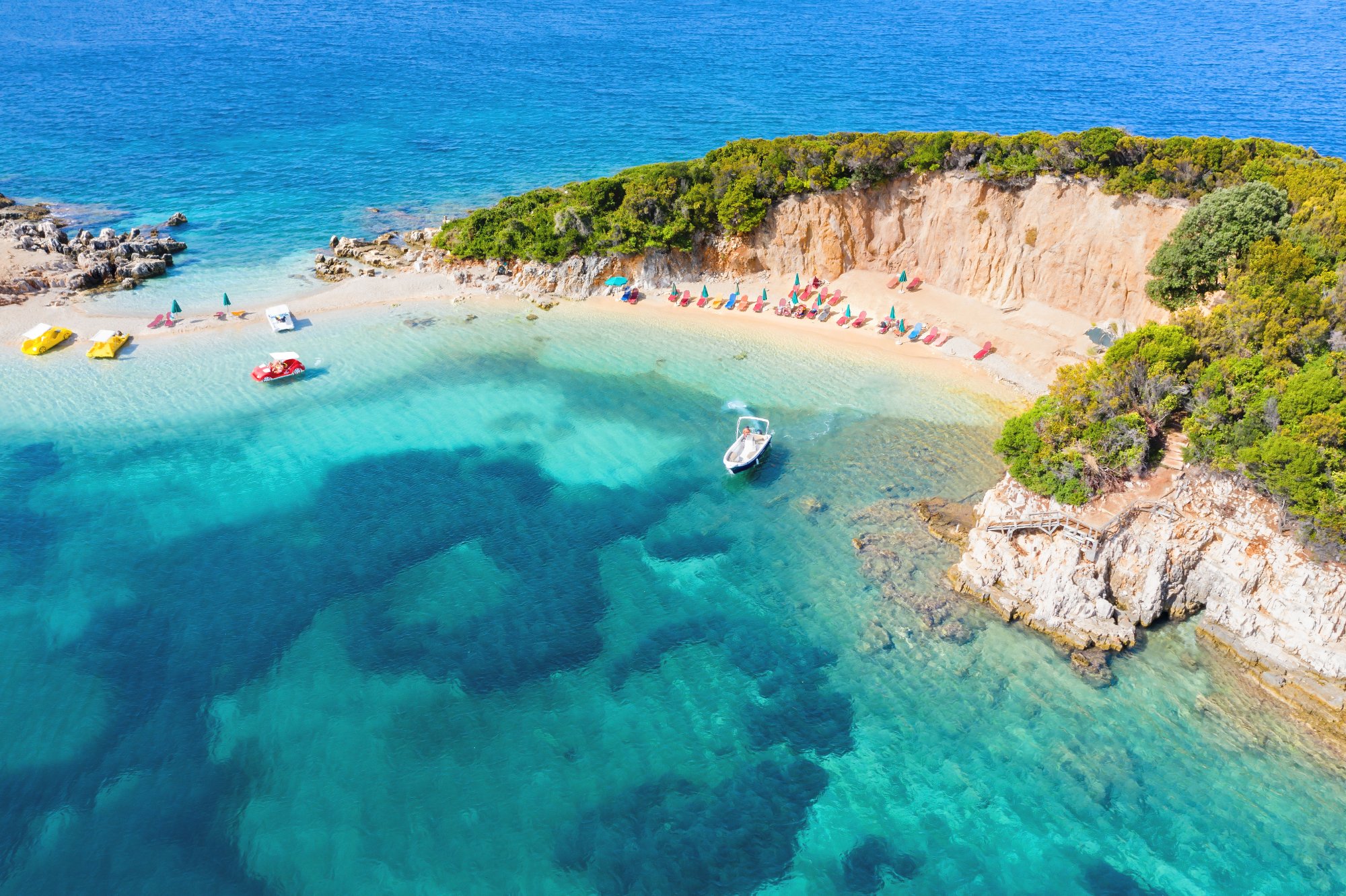
Albania is often promoted today for its beautiful beaches along the Adriatic and Ionian Seas. Coastal cities like Saranda and Durrës have become popular destinations. However, 70 percent of the country consists of mountainous terrain, some of which is rugged and remote but also offers excellent hiking opportunities.
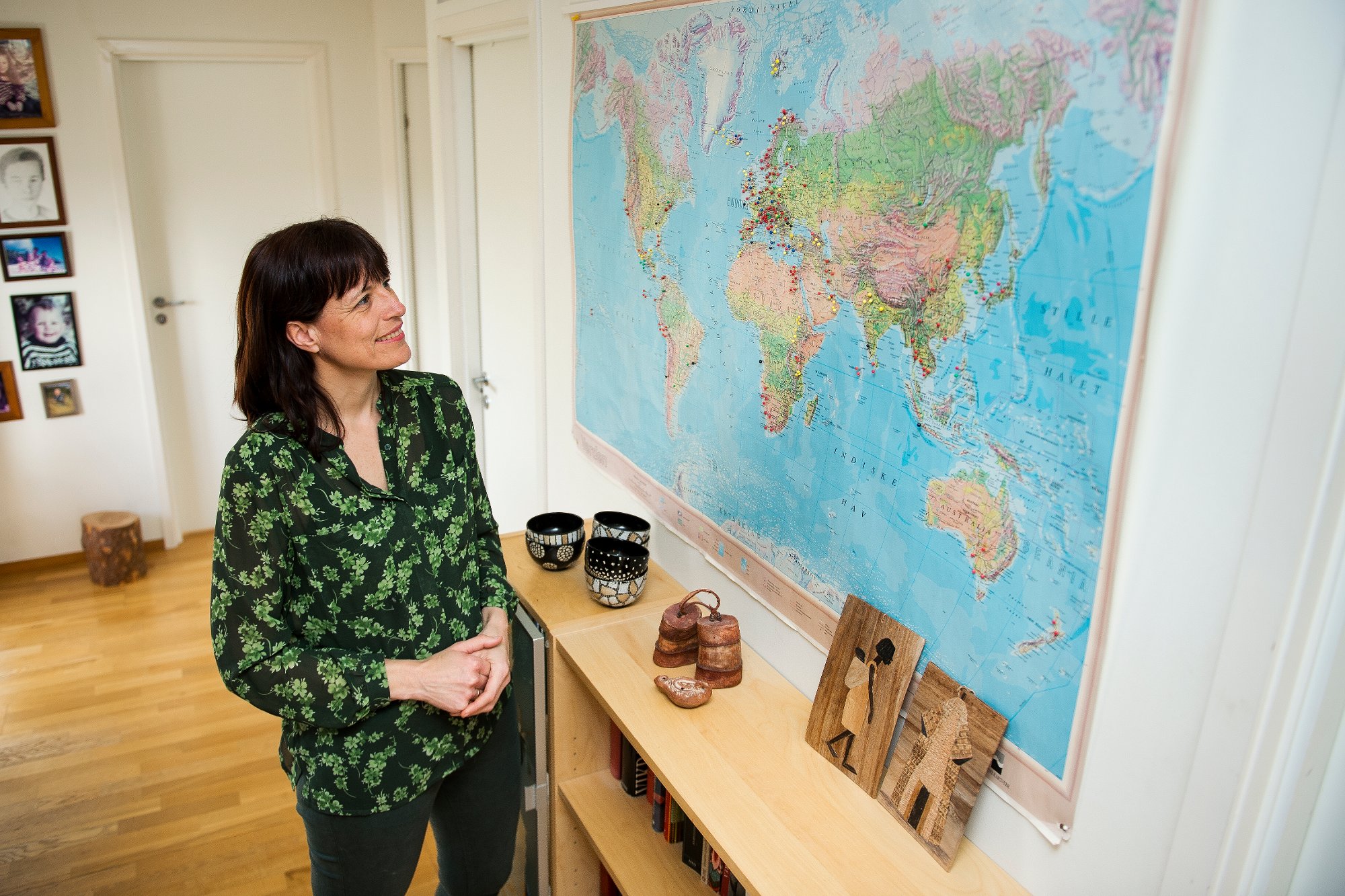
Travel book author Inger Karin Natlandsmyr is generally curious about less-traveled destinations, especially those that have been off-limits to the rest of the world for many years. She booked flights to the capital, Tirana, and joined a guided mountain tour as early as 2015. At that time, Albania was still relatively uncharted territory for Norwegian tourists.
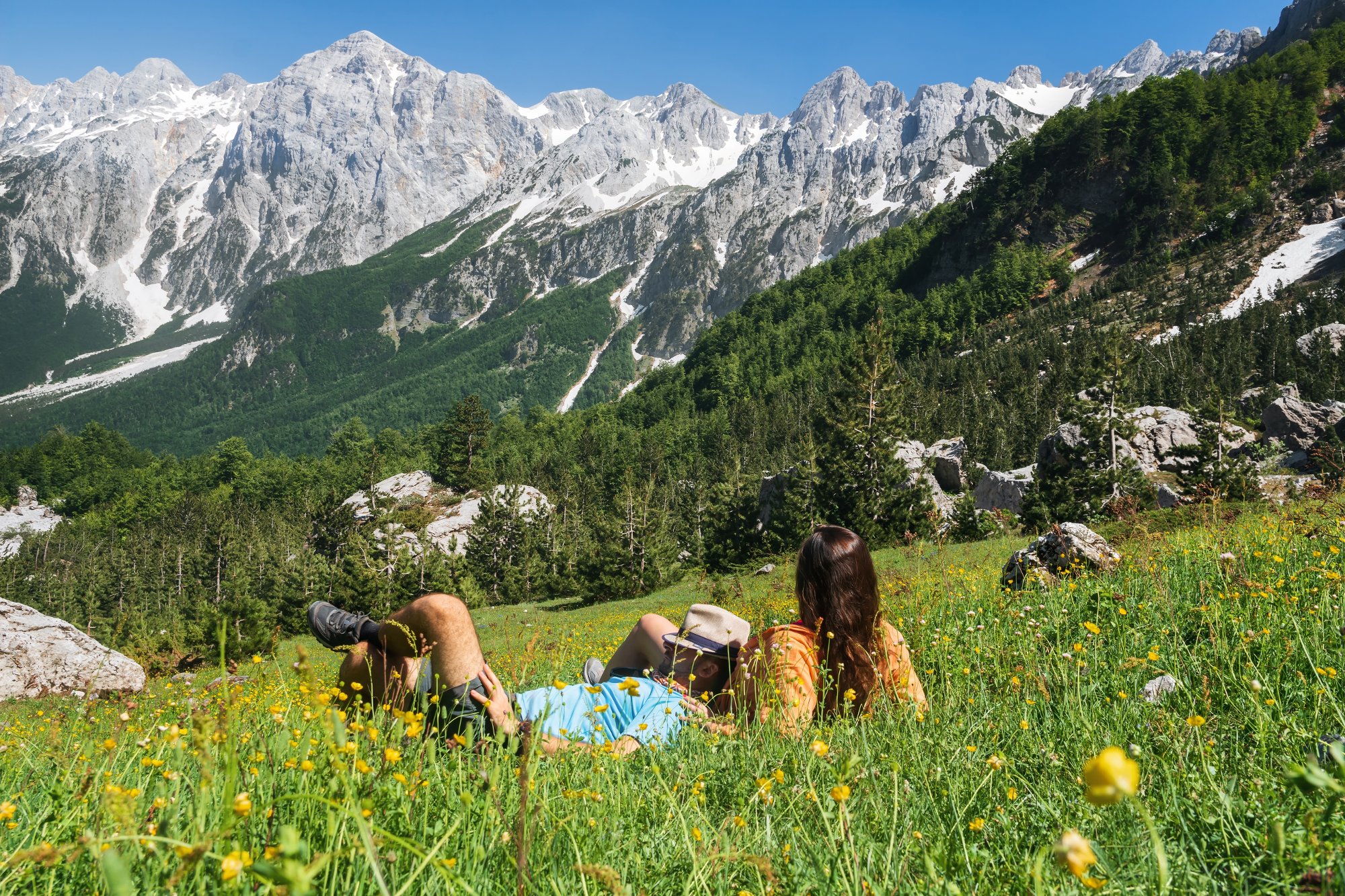
“We hiked along well-maintained paths through magnificent high mountains, across fields with wild mushrooms, and through enormous oak forests down to lush valley bottoms, where we could help ourselves to sweet yellow plums and juicy cherries outside abandoned old houses,” Natlandsmyr recounts.
She recommends using a guide to make the most of the trip.
“Along the way, we learned a lot about what it’s like to live in Albania today and what it was like during the communist era,” she says.
Driving and traffic
Natlandsmyr was surprised by the low traffic on the roads in Albania, especially outside of the cities.
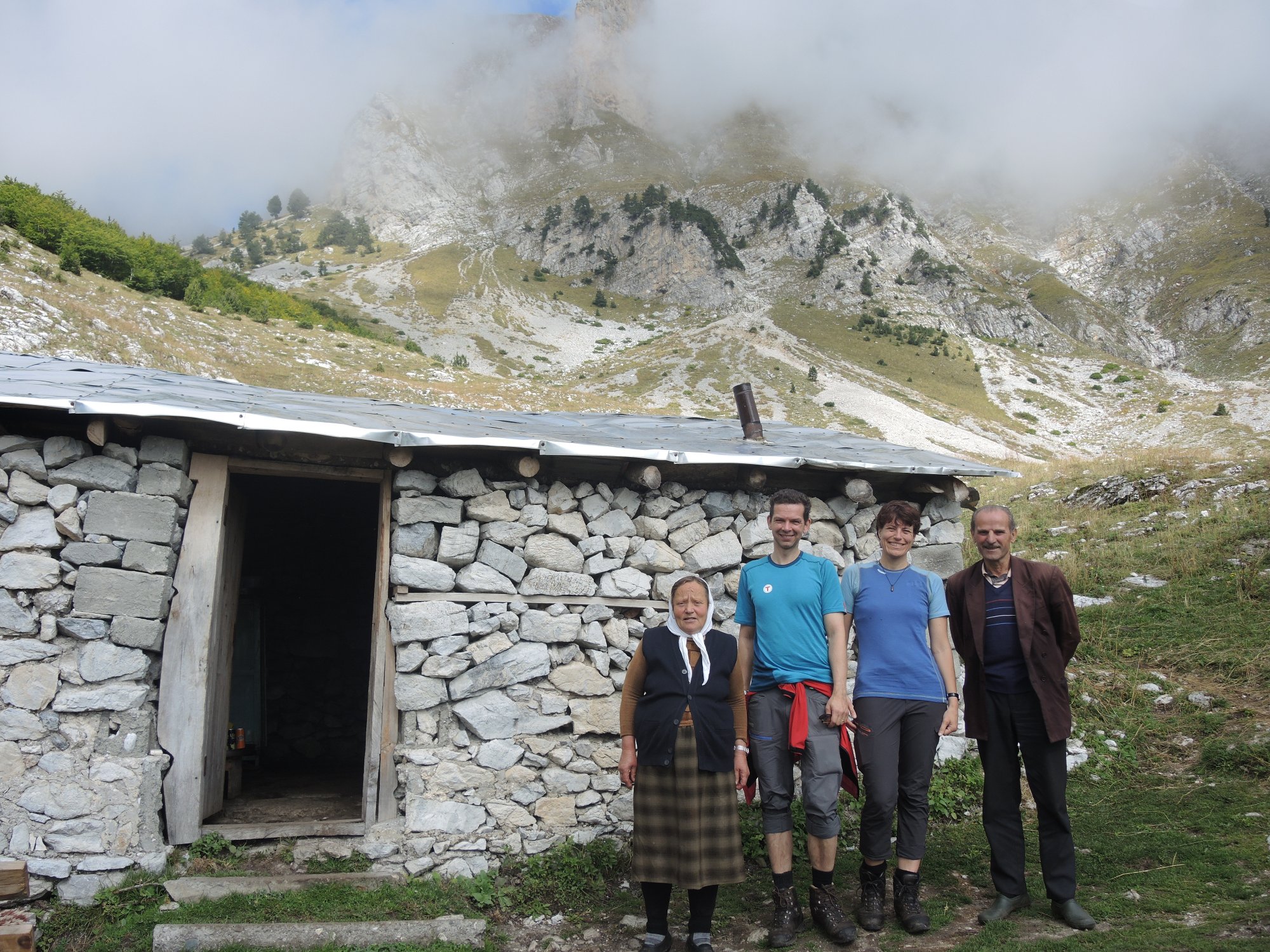
“We took public transportation by minibus from the capital to the Valbona Valley. It was a fantastic experience where we got close to people’s daily lives,” she says.
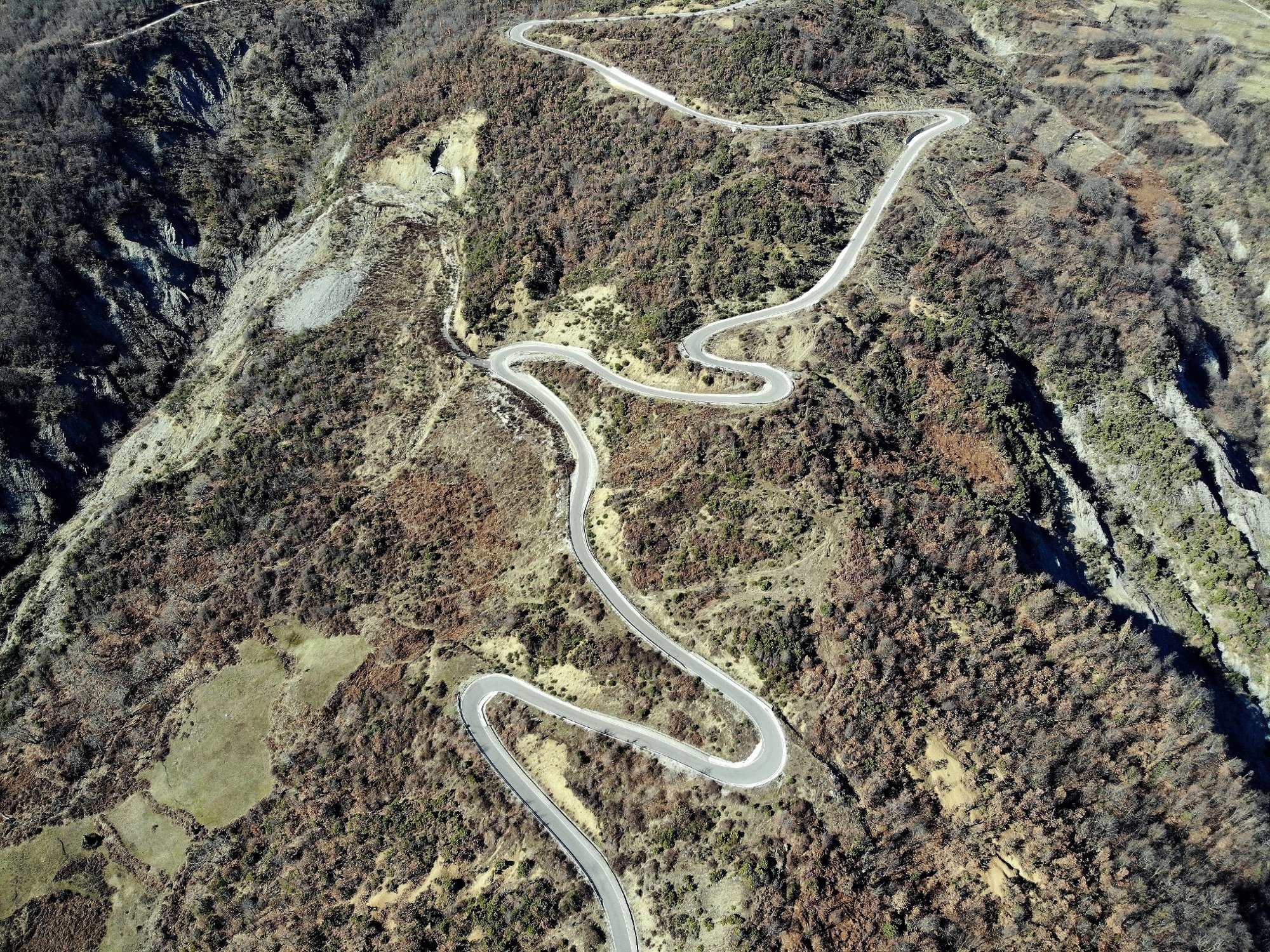
Along the less-traveled roads, cows with bells grazed. Pigs, chickens, goats, and sheep roamed freely in the villages.
The guide explained that owning a car wasn’t common in the past, and getting a driver’s license wasn’t so widespread until the 1990s.
On the Ministry of Foreign Affairs’ website, it’s mentioned that the number of traffic-related fatalities in Albania is among the highest in Europe.
“Driving can be challenging, and the roads, especially in rural areas, are in poor condition. Streetlights in the cities are occasionally affected by power outages, and there is a lack of street lighting along most roads outside of urban areas,” according to the Ministry.
There is also a warning that minor disputes in traffic can escalate quickly.
“Albanian driving style can be aggressive and doesn’t always adhere to traffic rules. Avoid reacting to provoking behavior from other drivers and be aware that some may be armed,” the advice states.
Language and Safety Despite warnings about aggressive driving, the Ministry of Foreign Affairs notes that Albania is generally a safe destination with low crime. Public safety is generally good, especially in the capital, Tirana.
More and more people speak English, and the locals are generally very welcoming, hospitable, and warm. “Besa” is widespread, an honor code that means if you make a promise, you keep it.
One thing to be aware of is that in Albania, people shake their heads to mean “yes” and nod to mean “no”.
Money and price levels
Albania was one of the last countries in Europe to break free from its communist regime in 1991. According to the UN’s country profiles, the country was one of the poorest in Europe then, as it is now. The World Bank currently classifies Albania as an upper-middle-income country.
The price level in Albania is low, which attracts tourists. Forex’s holiday index shows the cost of vacationing in different countries compared to Norway. Albania is the second cheapest European country (after North Macedonia) on Forex, where Norway has an index of 100, while Albania has 34. So, for something that costs 100 Norwegian kroner at home, you would pay an average of 34 kroner in Albania.
However, it’s essential to be aware that there can be challenges when it comes to payment. For example, the country’s currency, the Albanian lek (ALL), cannot be exchanged outside of Albania.
“We recommend that people exchange or withdraw money from ATMs at the airport upon arrival,” says Karlsson from Tema-Reiser.
It’s advisable to have euros, which you can exchange locally. Visa and MasterCard can be used at larger hotels, restaurants, and businesses in urban areas.
“When you venture out of the cities, it can be a long time before you come across an ATM again. For example, it takes four days for participants on our hiking trip in Albania and North Macedonia to have the opportunity to withdraw money from the bank after leaving Tirana,” Karlsson adds.
Religion
During communism, religion was suppressed and eventually banned. In today’s Albania, 87.5 percent state that they believe in God, a figure that is among the highest in Europe, according to the Great Norwegian Encyclopedia.
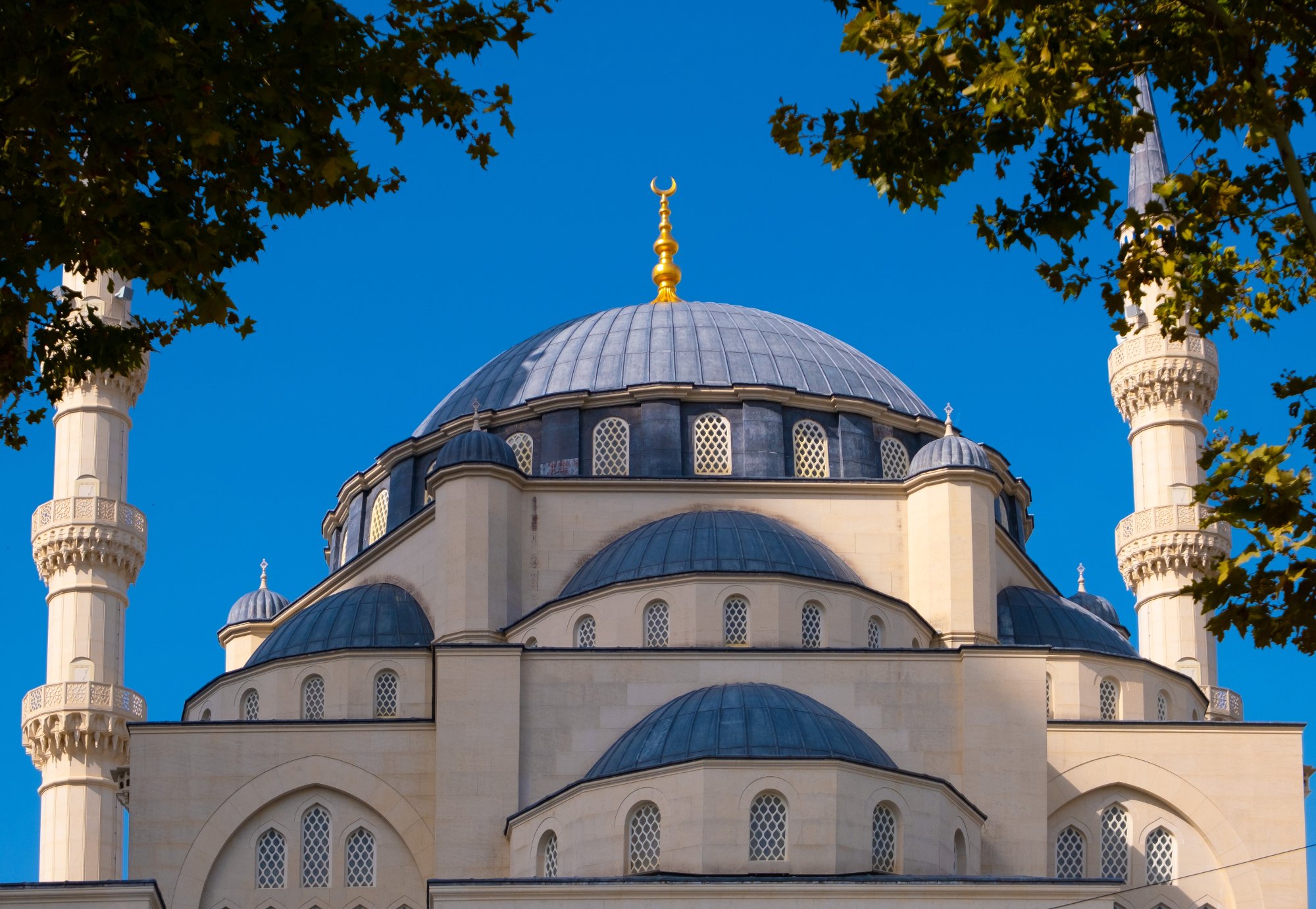
Around 70 percent of the population is Muslim, and just under a quarter are Christian. However, few Albanians place particular emphasis on religious practices and rituals. Less than 2 percent go to the mosque or church daily. The country has a unique tolerance for faith, where, for example, Muslims can eat pork, consume alcohol, and choose not to cover their heads.
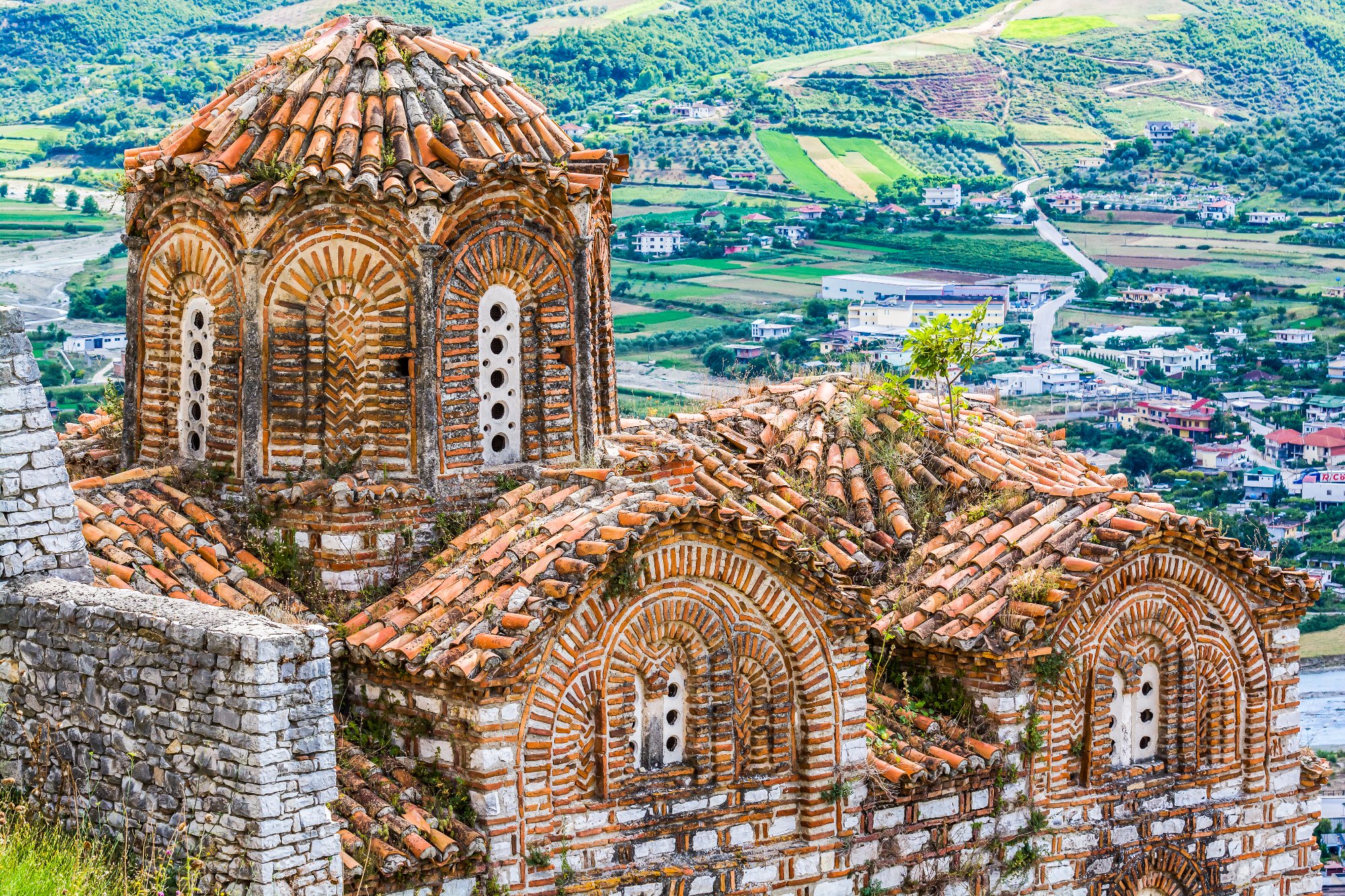
During communism, churches, mosques, and other religious buildings were destroyed or leveled, but some were repurposed as museums and are thus preserved. Many of these are well worth a visit.
Legacy of communism
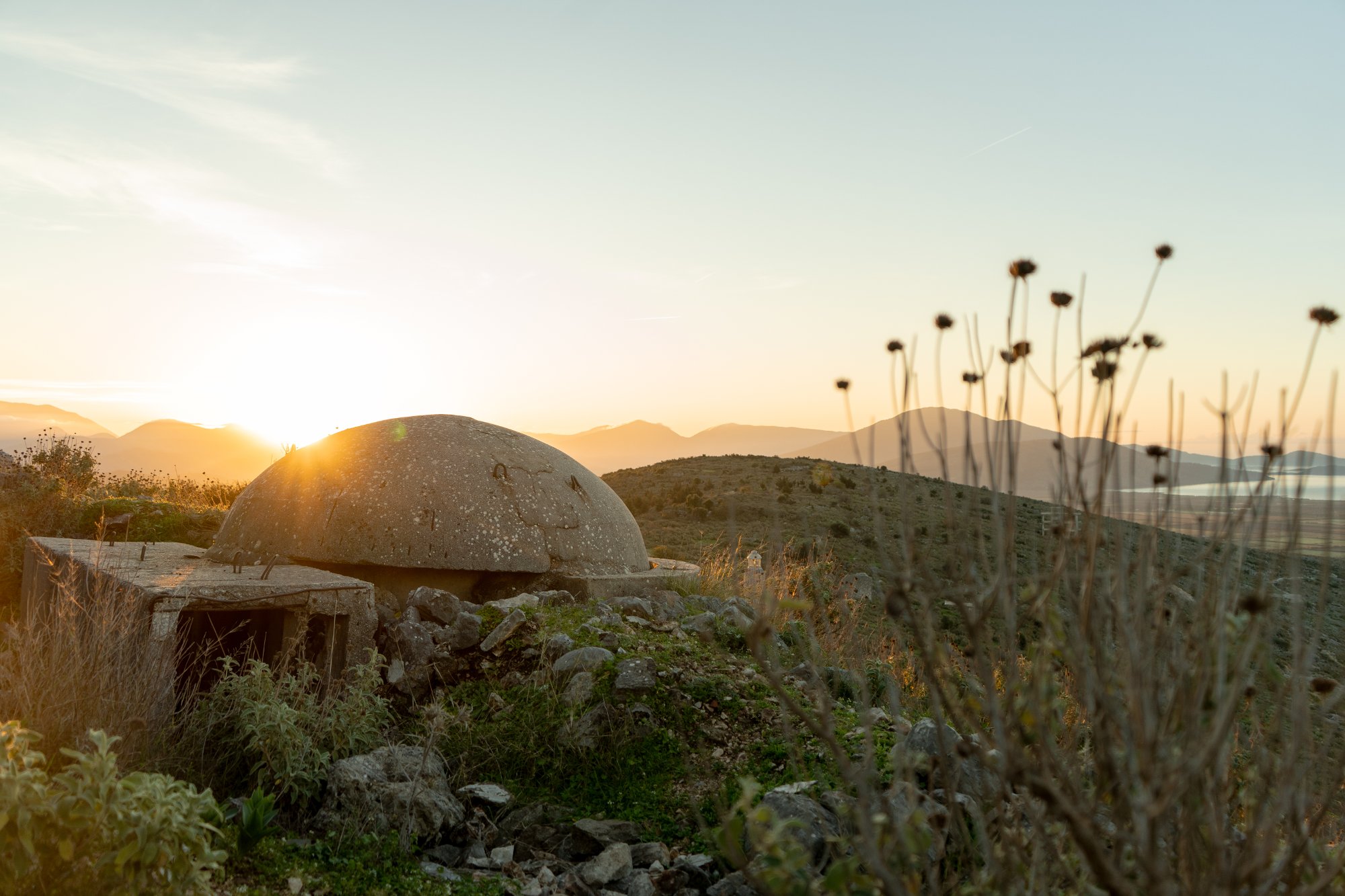
In Albania, there are still many visible signs of decades in isolation, especially under dictator Enver Hoxha, who ruled the country with an iron fist from 1946 until his death in 1985. He had around 750,000 bunkers built in Albania. People were instructed to seek shelter and defend the country against attacks.
The bunkers are still there, buried in the ground with the characteristic “pillbox” visible above the earth. Some have been repurposed, serving as anything from shelters and cafes to homes for homeless animals or storage facilities.
Weather and tourist season
Similar to several Mediterranean countries, Albania experiences cold winters with precipitation, especially in the inland and highland areas, and warm, dry summers.
The Ministry of Foreign Affairs encourages travelers to familiarize themselves with local conditions before their trip. The tourist season typically runs from May to October, and especially during the summer months, it can get extremely hot with the risk of forest fires, particularly in the mountainous regions.
You can read the original article here.





