

UNESCO has designated October 27 as the World Day for Audiovisual Heritage.
Audiovisual archives serve as vessels of human history and cultural diversity, capturing the essence of people’s lives across the globe. They stand as an invaluable testament to our collective memory and a rich source of knowledge, reflecting the cultural, social, and linguistic multiplicity of communities.
The preservation of this cultural heritage and ensuring its accessibility to both the present and future generations is a paramount objective for memory institutions and the broader public. In pursuit of this mission, UNESCO’s archives have launched the “Digitization of Our Shared History” project.
The World Day for Audiovisual Heritage acts as a clarion call for urgent action and underlines the significance of audiovisual documents.
This global observance also provides an opportunity for UNESCO member states to evaluate their progress in implementing the 2015 Recommendation concerning the preservation and accessibility of documentary heritage, encompassing digital formats.
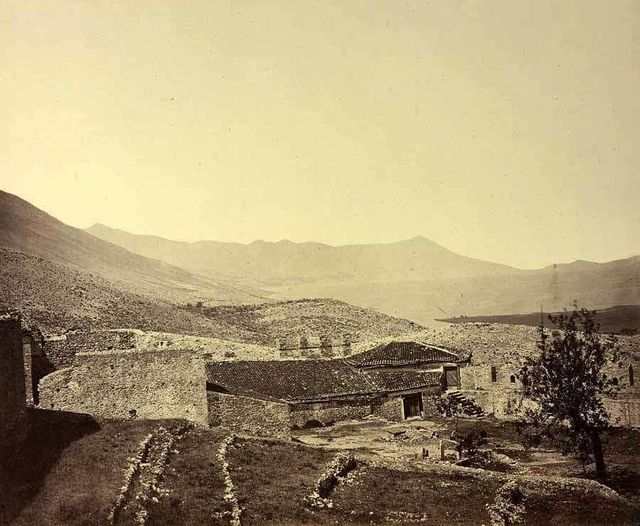
To mark this occasion, the Regional Directorate of Cultural Heritage in Shkodra has unveiled a historical photograph that is likely one of the earliest images captured within Shkodra Castle.
The photograph depicts a cluster of buildings that have since faded into history, within the first courtyard of the western section of the castle. The photo was taken by the photographer Josef Székely in August 1863.
Joseph Székely was part of a research expedition in northern Albania, Kosovo, and Macedonia, led by the albanologist Johan G. Hann.




