

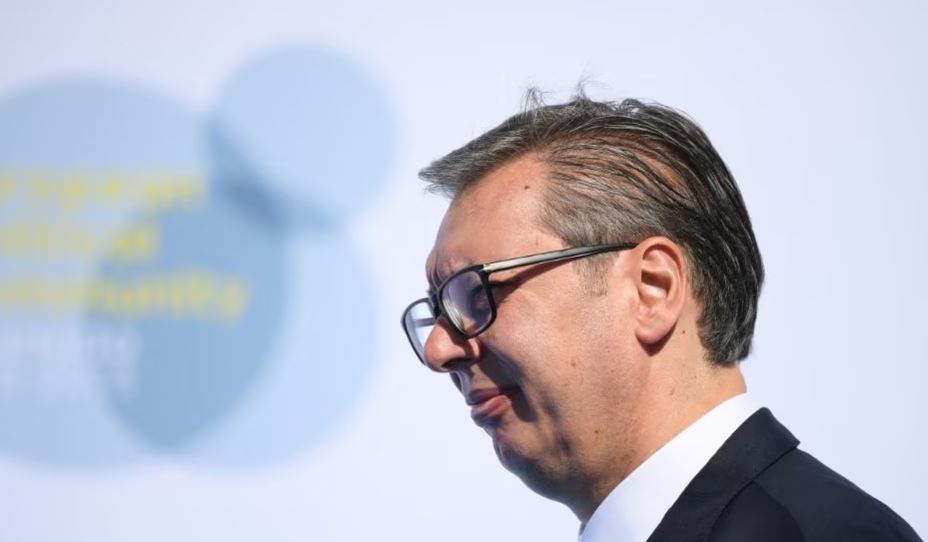
Serbia’s President Aleksandar Vučić officially declared the scheduling of new parliamentary elections for December 17, marking the third such election in three and a half years within Serbia.
In his formal announcement to dissolve the parliament and call for elections, the Serbian President remarked, “We find ourselves in tumultuous times on a global scale, facing global challenges, conflicts, and wars. It is crucial for us all to unite in safeguarding the vital national and state interests of the Republic of Serbia. This unity is especially necessary as we confront numerous pressures stemming from our relations with Kosovo and other regional and global issues”.
Serbia’s Government has been under mounting pressure from the opposition, triggered by two significant incidents earlier in the year that resulted in 17 fatalities, leading to widespread public discontent and substantial protests against the Government.
The decision to hold new elections comes against the backdrop of ongoing Western diplomatic efforts aimed at normalizing relations between Kosovo and Serbia. These efforts have been punctuated by tensions, particularly following an attack by an armed group of Serbs against Kosovo Police on September 24. The attack was reportedly orchestrated by Milan Radojičić, the former deputy chairman of the Serb List, the primary political party representing Kosovo Serbs, which has strong ties to Belgrade.
On October 27, leaders of key European nations, including France, Germany, and Italy, called for increased autonomy for Kosovo’s Serbian minority, while Serbia was urged to recognize Kosovo’s “de facto” independence. These calls are part of renewed initiatives to push for the implementation of a previously agreed-upon deal reached earlier in the year, both in Brussels and Ohrid.
Observers have raised concerns that holding Serbian parliamentary elections at this juncture may further delay the implementation of the agreement, which has already faced delays.
The normalization of relations between Kosovo and Serbia remains a crucial prerequisite for both parties to progress towards European integration. While Serbia continues to oppose Kosovo’s independence, it has set EU membership as a key objective but maintains close ties with Russia and has refused to align with Western sanctions against Moscow, particularly in light of its actions in Ukraine.




