

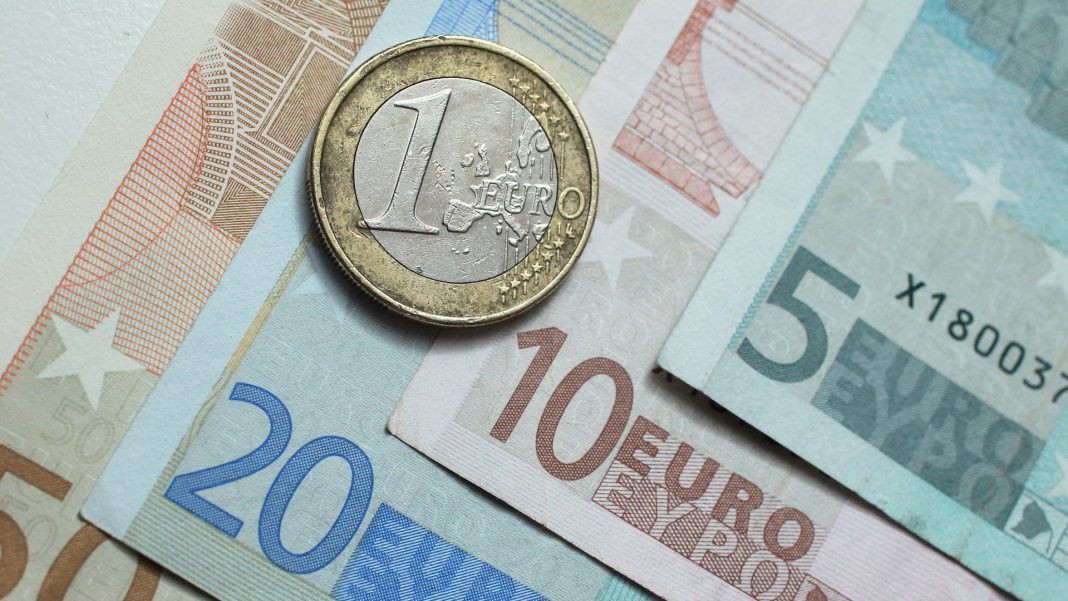
The Albanian lek has started the week with a further boost in its exchange rate against both the euro and the US dollar.
Based on the official exchange rate of the Bank of Albania, the euro was traded at 104.99 lek on Monday, marking a decrease of 0.12 lek compared to the end of the previous week. This puts the euro at its lowest level since August 15.
Similarly, the US dollar has experienced a notable drop, losing more than 1 lek compared to the previous Friday. One US dollar can be exchanged for 97.71 lek, which represents its lowest value since August 22.
The lek is now showing a new and gradual trend of appreciation, starting from the last week of October, especially in relation to the euro exchange rate.
The recent increase in the base interest rate by the Bank of Albania, which occurred last Wednesday, appears to have given an additional impetus to the strengthening of the lek. While experts generally remain skeptical about the impact of interest rates on the lek’s exchange rate against the Euro, this move signifies a further step towards reducing monetary stimulus and the gradual normalization of monetary policy toward a neutral interest rate. In theory, narrowing the interest rate differential between the euro and the lek may have an effect on the further strengthening of the domestic currency.
Notably, even though the Bank of Albania has maintained interest rates significantly lower than the European Central Bank throughout this year, the lek has significantly appreciated against the euro, reaching historically low levels.
The exchange rate between the euro and the lek is primarily influenced by internal supply and demand dynamics within the financial market. This year, the supply of euros has been higher due to increased inflows in the Balance of Payments. Key contributing factors are believed to be tourism, exports of other services, and foreign direct investments.
Conversely, the supply of lek has been on the decline due to a slowdown in economic lending and the Government’s strict fiscal policy, which has resulted in a substantial budget surplus. According to statistics from the Bank of Albania, lek deposits remained virtually stable, while euro deposits at the end of September had increased by 16.5% year-on-year.
A stronger lek makes imports of goods and services more cost-effective (at the same foreign currency price), and it is believed to have played a role in maintaining relatively lower inflation rates in Albania compared to other European countries. Additionally, a strong lek helps entities with income in lek and euro-denominated obligations reduce their debt burden on their balance sheets.
Nevertheless, those with income in foreign currency and expenses in the local currency, including exporters of goods and services and recipients of remittances, experience losses due to the lek’s appreciation.




