
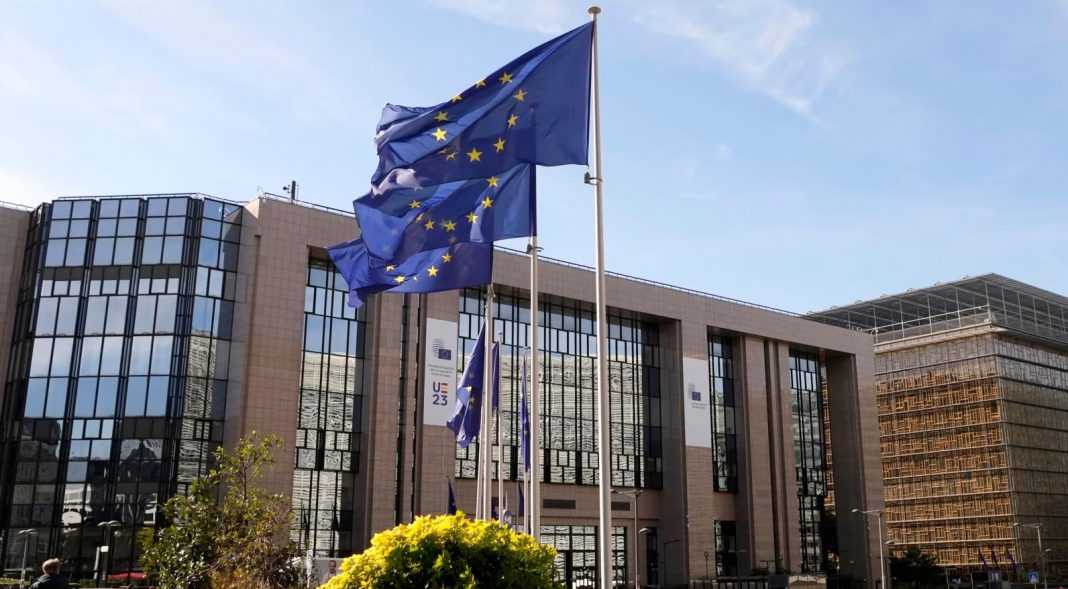
On Monday, November 13, the Foreign Ministers of the European Union member states are set to convene in Brussels for a meeting with their counterparts from the Western Balkans, addressing various shared concerns.
Chaired by Josep Borrell, the EU’s High Representative for Foreign Affairs and Security Policy, this traditional meeting will focus on key issues such as the regional security situation and broader collaboration between the EU and the Western Balkan countries in the realms of foreign and security policy.
During the arrival at the meeting, Borrell stated that the gathering of foreign ministers with their Western Balkan counterparts demonstrates how crucial this region is for the bloc.
“We will also discuss the proposals from the European Commission within the enlargement package and will emphasize greater alignment in foreign policy, as some countries are not showing adaptation to our foreign policy and sanctions,” he said.
German Foreign Minister Annalena Baerbock said that the EU enlargement is a key geopolitical issue for stability and peace, particularly crucial for the Western Balkans region. According to her, there should be no blind spots in security in Europe.
“I am very pleased that the foreign ministers of the six Western Balkan states are here with us again to exchange ideas. At the Berlin Conference, we have already made it clear that enlargement is not only a geopolitical issue but also strengthens the EU, as enlargement can make it stronger from within, especially when it comes to reforms. Therefore, it is important to involve partners from the region in issues related to the future of Europe, not just to listen to them once a year,” she said.
The gathering follows the recent approval and publication by the European Commission of the enlargement package and annual progress reports. These reports evaluate the cooperation and alignment of actions by the countries in the region with the EU in foreign policy, excluding Serbia and, to a lesser extent, Bosnia and Herzegovina, due to their comparatively lower adherence to EU positions in this area.
While Albania, Montenegro, and North Macedonia exhibit near-complete alignment with EU stances, including support for sanctions against Russia, Kosovo, without formal obligation, has similarly endorsed EU foreign policy positions, earning appreciation from the EU.
Preceding the meeting with Western Balkan counterparts, certain EU nations, including Austria, Croatia, the Czech Republic, Italy, Greece, Slovenia, and Slovakia, collectively issued a non-paper. This document advocates for intensified cooperation in security and foreign policy before these states join the EU.
Proposals include more frequent invitations for Western Balkan foreign ministers to attend meetings with EU counterparts, including biannual informal gatherings. Additionally, occasional participation by regional representatives in EU Security and Political Committee meetings has been suggested.
As cooperation with the Western Balkans strengthens, the EU emphasizes the importance of robust regional collaboration and dialogue to address shared challenges. This is particularly relevant to the normalization of relations between Kosovo and Serbia, with EU diplomats noting that strained relations between these two states have broader negative implications for the Western Balkans region.
Prior to the meeting with Western Balkan counterparts, EU Foreign Ministers will convene in the Foreign Affairs Council, with the primary focus on the Israel-Hamas conflict and the humanitarian situation in the Gaza Strip. The conflict, initiated by Hamas on October 7 and designated a terrorist organization by the United States and the EU, continues to unfold.