

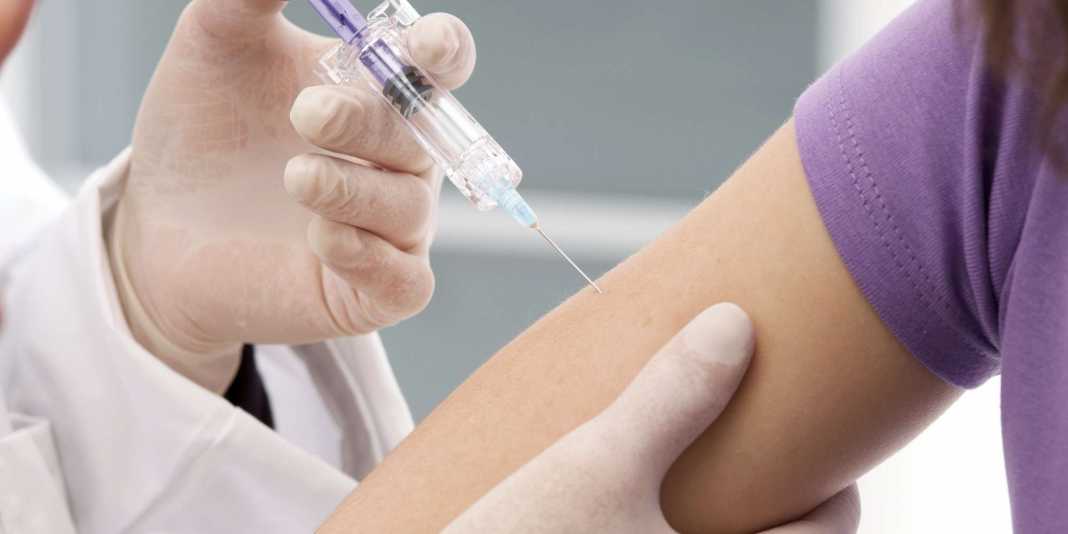
The Covid-19 pandemic has negatively affected compliance with the mandatory vaccination calendar in Albania, thus putting children at risk from infectious diseases.
The final data from INSTAT show that throughout 2022 the vaccination indicators further deteriorated.
As a result, this year 98.7% of children were vaccinated for tuberculosis from 99.7%, which was this indicator in 2015. There was a deterioration in 2021, where the vaccination of children for tuberculosis was 98.8%.
Vaccination against diphtheria and tetanus, which are currently at the levels of 95%, also fell.
The vaccine that has suffered the biggest declines is Measles-Rubella, which was applied to only 89.3% of children from more than 95% that was before the pandemic.
Also, the Poliomyelitis vaccine was administered only to 98% of children from 99.1% in 2013.
The United Nations Children’s Program reports that vaccination saves 2 to 3 million children from deadly diseases each year. They claim that vaccines protect and help children grow up healthy, providing protection against diseases that can lead to serious consequences.
In 1995, a large number of people who had not been vaccinated against polio in childhood were affected in Albania, where many of them lost their lives or were left with disabilities.
Experts say that not vaccinating at the right time in case of infectious diseases, the unvaccinated child and everyone else are exposed to risk.




