

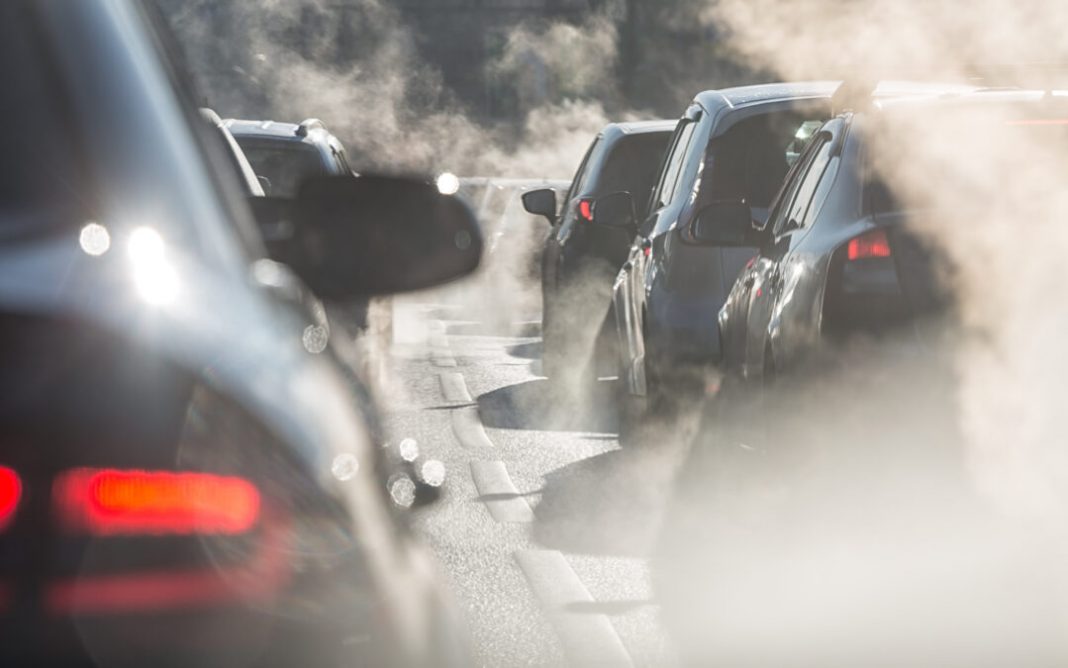
In Albania, there are more old cars than in any other European country, according to statistics published by Eurostat.
While Europe is moving towards encouraging environmentally friendly vehicles, one can observe old cars emitting black smoke and often causing accidents in the Albanian roads.
According to Eurostat data from 2022, in Albania, 41% of passenger vehicles are over 20 years old, the highest in Europe.
In Kosovo, 22.6% of passenger vehicles have a production year of 20 years or more, in Montenegro 25.6%. After Albania, the oldest cars are in Bosnia and Herzegovina, at 35%. For comparison, in Germany, a country known for many cars, only 8% of vehicles are that old.
51% of passenger vehicles in the country have a production year older than 10 years. In total, 99% of vehicles in the country are over 10 years old, again the highest in Europe.
The second country with the most vehicles circulating for at least a decade is North Macedonia, with 88%, while the newest in the region are the cars in Kosovo, at 75% (data for Serbia is missing). In Italy, this figure is 59%, and in Germany, 40.5%.
In contrast, Albania has the lowest share of new cars, less than two years old, accounting for only 0.78% of the total, compared to 2.63% in Kosovo and 15.4% in Germany.
1.67% of vehicles in the country are aged 2-5 years, and 5.53% are aged 5-10 years.
According to Eurostat, the percentages of newer passenger vehicles (less than 2 years old) were highest in Luxembourg (18.4%), Germany (15.4%), Sweden (14.5%), Belgium and Ireland (both 13.1%), and Austria (13.0%). On the other hand, some Member States reported a large proportion of “old” passenger cars (20 years and over) in 2022. The Member States with the highest percentages were Estonia (34.1%), Romania (31.0%), Finland (30.4%), Poland (29.3%), Portugal (26.4%), and Malta (25.6%).
In recent years, several countries have offered programs supporting the purchase of new low-emission cars, while phasing out old cars.
The general aim of these programs has been to renew the passenger car fleet with lower-emission vehicles, thereby stimulating the economy. These programs have had a certain impact on the composition of the age of passenger cars in specific countries.
Albania, besides having the highest proportion of old cars, also has a dominance of oil-powered ones, which are the biggest polluters. According to Eurostat, Albania and Kosovo have the highest proportions of oil-operated vehicles in Europe, with around 74% of the total in Albania and around 82% in Kosovo for 2022.
Out of approximately 639 thousand vehicles in the country in 2022, around 471 thousand run on oil. About 17% of vehicles (108 thousand) run on gasoline, and 59 thousand (9.3%) on alternative energy. There were less than 1300 electric cars in the country in 2022, according to Eurostat data.
Other Western European countries have a much higher proportion of gasoline-powered cars and are also increasing the use of alternative energy. For example, the Netherlands has less than 10% of oil-powered cars, while Turkey holds the record for alternative energy vehicles, at around 30% of the total.
In terms of population, Albania is among the countries with fewer cars in Europe. According to Eurostat, in 2022, there were 226 cars per 1,000 inhabitants in Albania, placing us third with the lowest rate for this indicator, behind only Kosovo (182 cars per 2021) and Turkey (169).




