

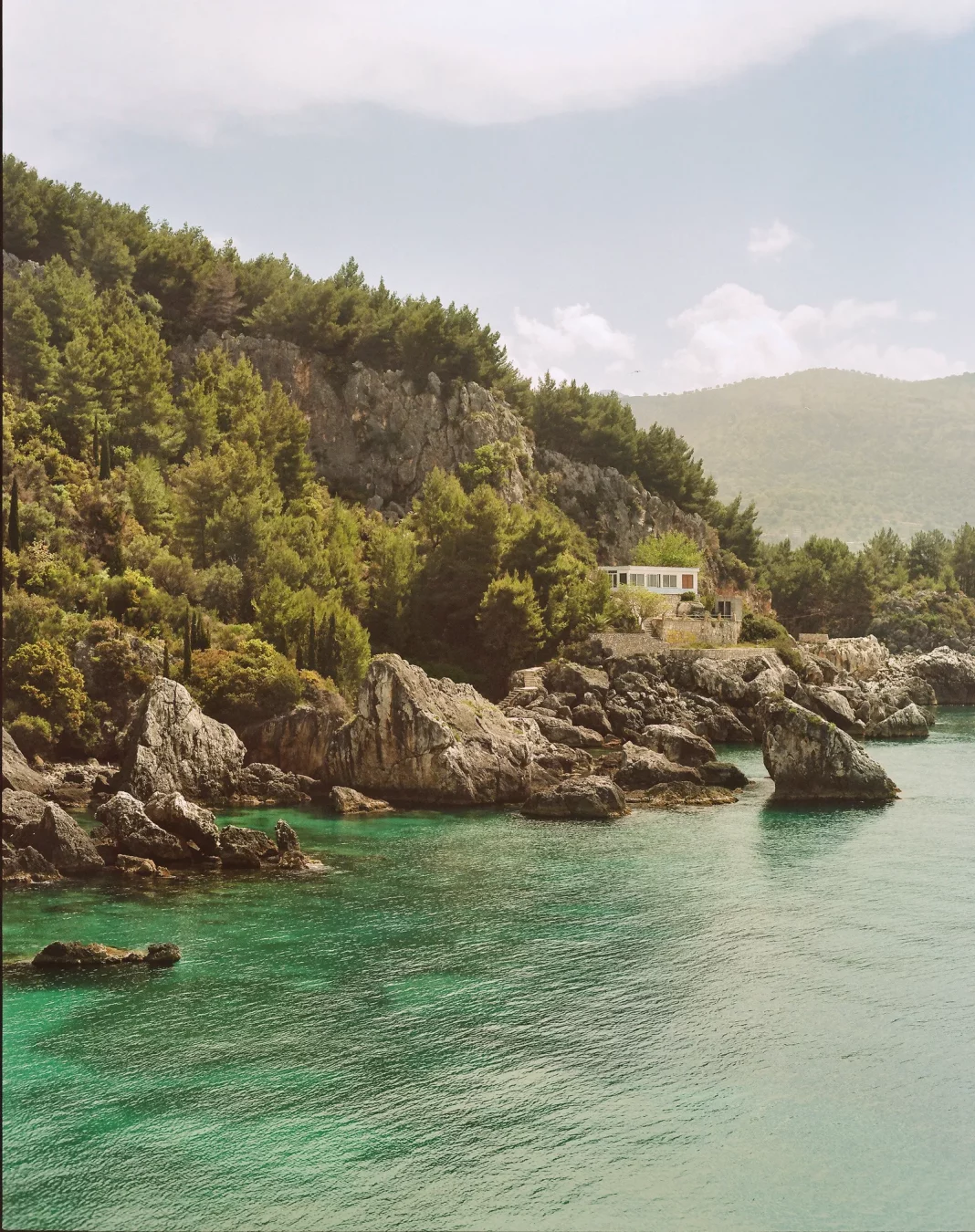
I was on the road with Elvis. We were in the back country of Albania, watching men scythe fields of wheat by hand and lean the tied stooks like teepees. To the south, the mountains were caught in a tumult of clouds. “Let’s visit my brother-in-law,” Elvis suggested. “He’s in those mountains. It’s a special place”.
Elvis was my driver. Bald, a little stout, not very musical and with more resemblance to his manager Colonel Parker than his namesake, he knew all the best places to eat, could find the most obscure Illyrian tombs, had contacts among remote monastic fraternities, and some great tips on how to cook goat. He was also thoughtful and very perceptive about Albanian history. When I asked about his name, he said such names were not possible in the time of the Dictator. It seems that, for many people, even uttering the name of the former communist leader of Albania, Enver Hoxha, under whom they suffered for four long decades until his death in 1985, is not possible. They refer to him simply as the Dictator.
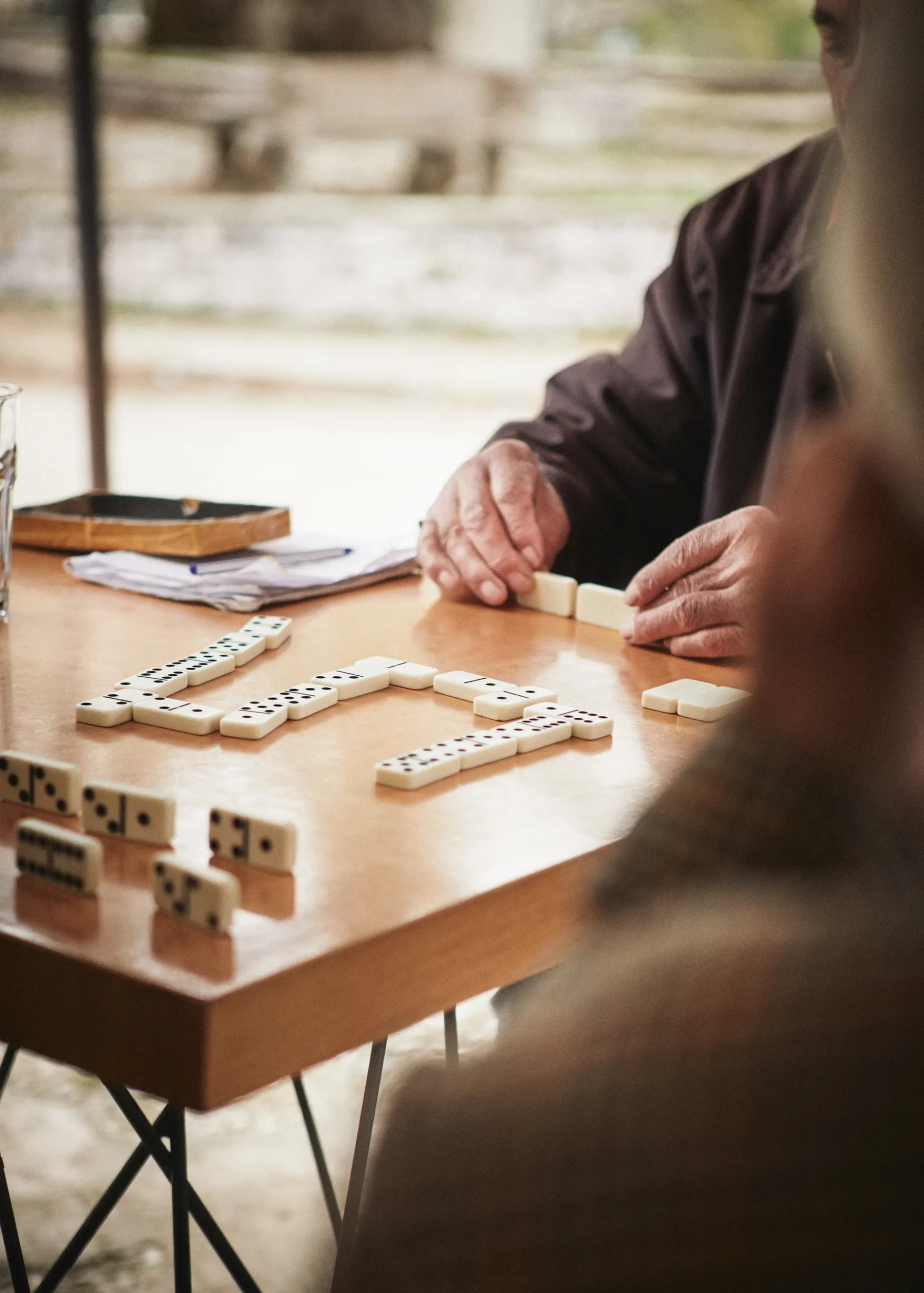
I spent a week with Elvis, haunting Ottoman citadels, clambering through vine-tangled amphitheaters, peering into Illyrian tombs, drinking with bearded monks in remote monasteries, listening to tales of Lord Byron and blood feuds and economic catastrophe in walled gardens and village coffee shops. In the dark naves of abandoned churches, I gazed into gloomy vaults and domes at the anxious faces of saints and martyrs. Down on the coast, among the sunny ruins of Apollonia, I climbed the temple steps where Gaius Octavius was standing when he heard the news of his great-uncle Julius Caesar’s assassination.
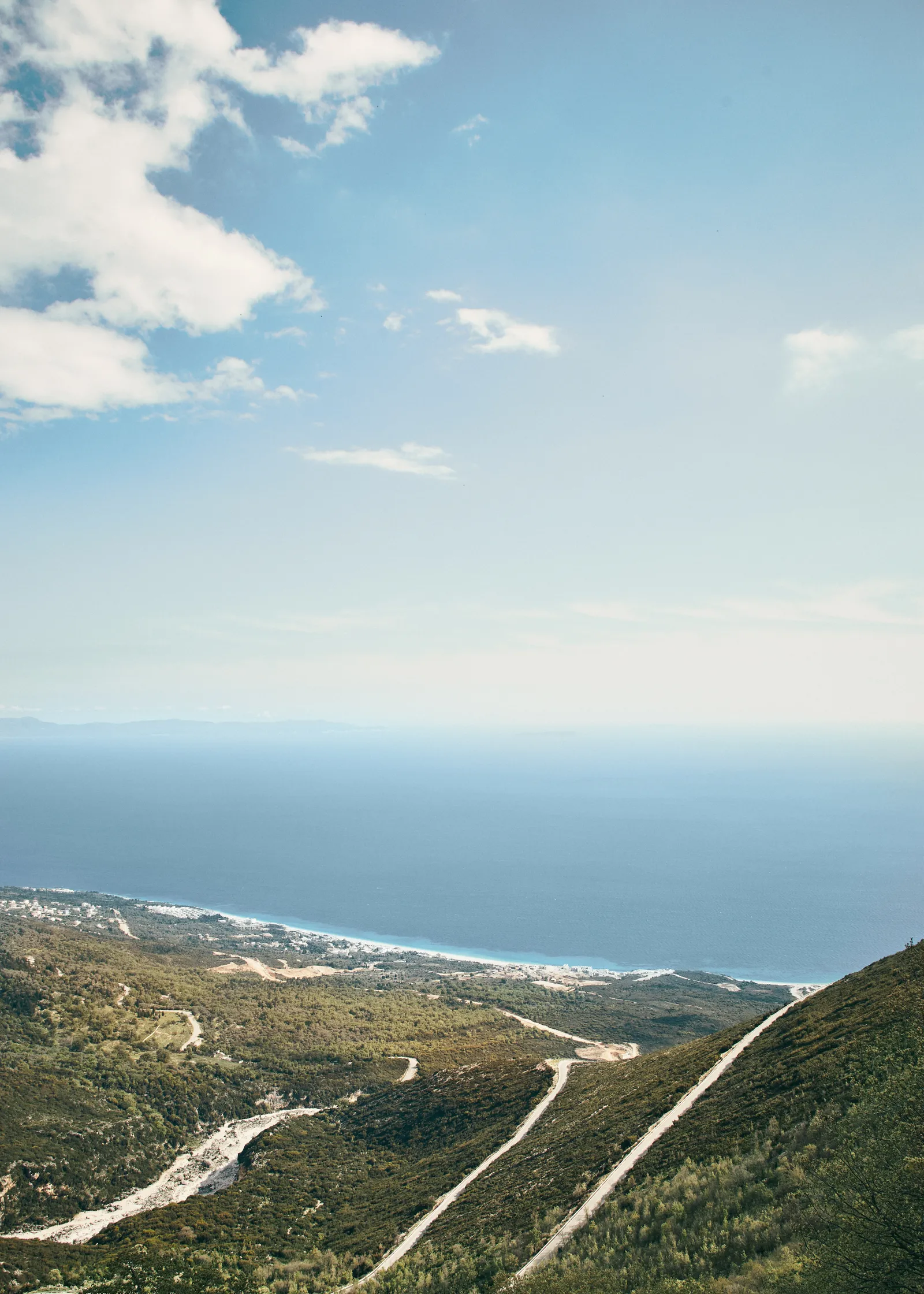
In Octavius’s day, the country was part of the Mediterranean world and still known as Illyria. Greeks and Romans came and went freely across open borders before the Ottomans brought the Western curtains down on this remarkable place. For five centuries, Albania was ruled by the Turks. In the 20th century, when the Turkish tide had abated, the country’s isolation only deepened as it endured a communist regime so hardline and brutal that it made North Korea seem cuddly.
Albania’s escape from its own troubled history is remarkable. Problems persist – there is still too much emigration and not enough opportunity – but the country has emerged into the sunny uplands of peace, relative prosperity and decent wi-fi connections as one of the most charming countries in the Balkans. It is now an official candidate for membership of the EU and it is beginning to appear on travelers’ bucket lists.
The Adriatic coast is a big draw. It is beautiful, though sadly overrun in places by unappealing construction. Among its fans are some 3,000 millennials, who migrate to Dhërmi beach each year in early June for the week-long Kala music festival.
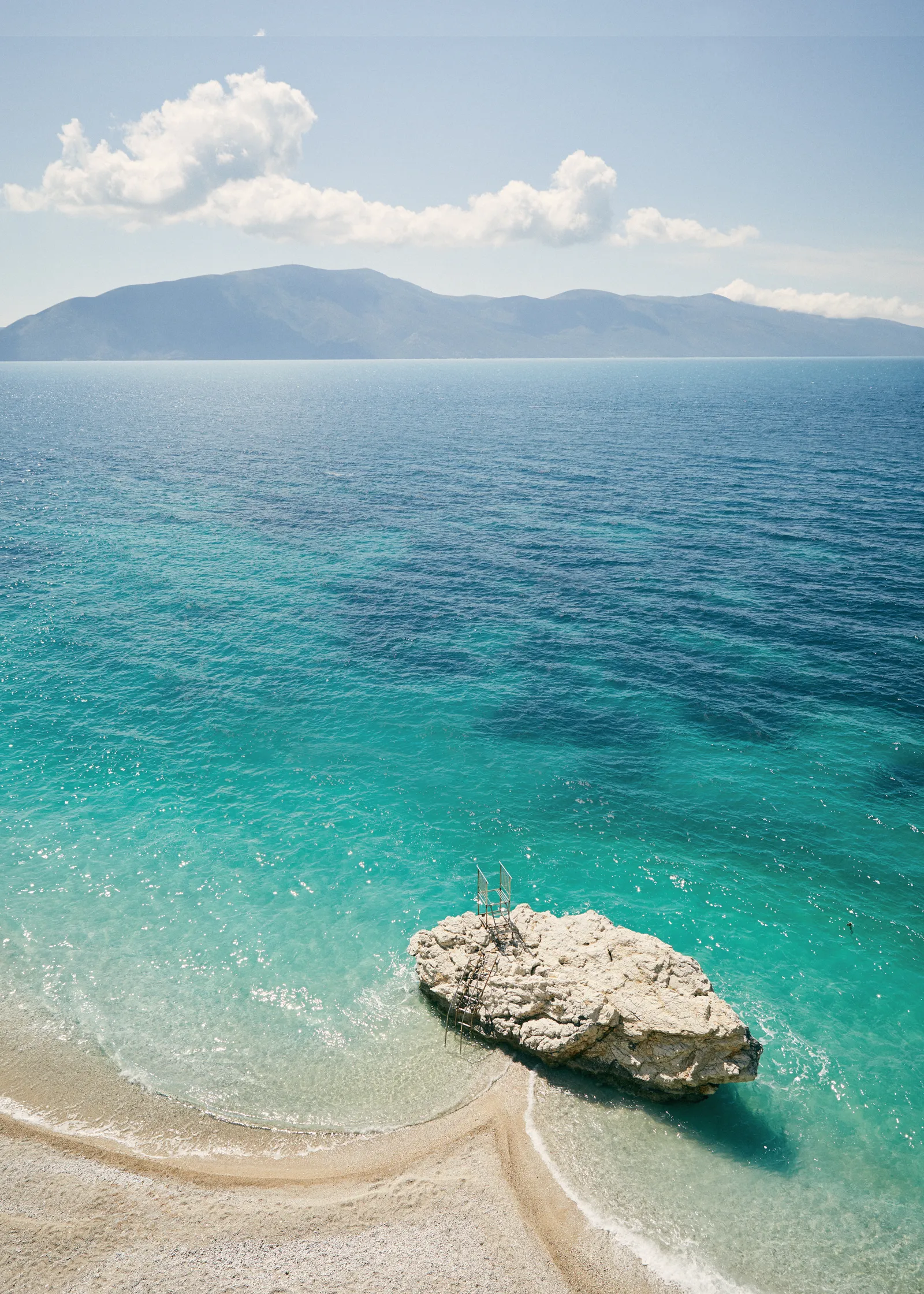
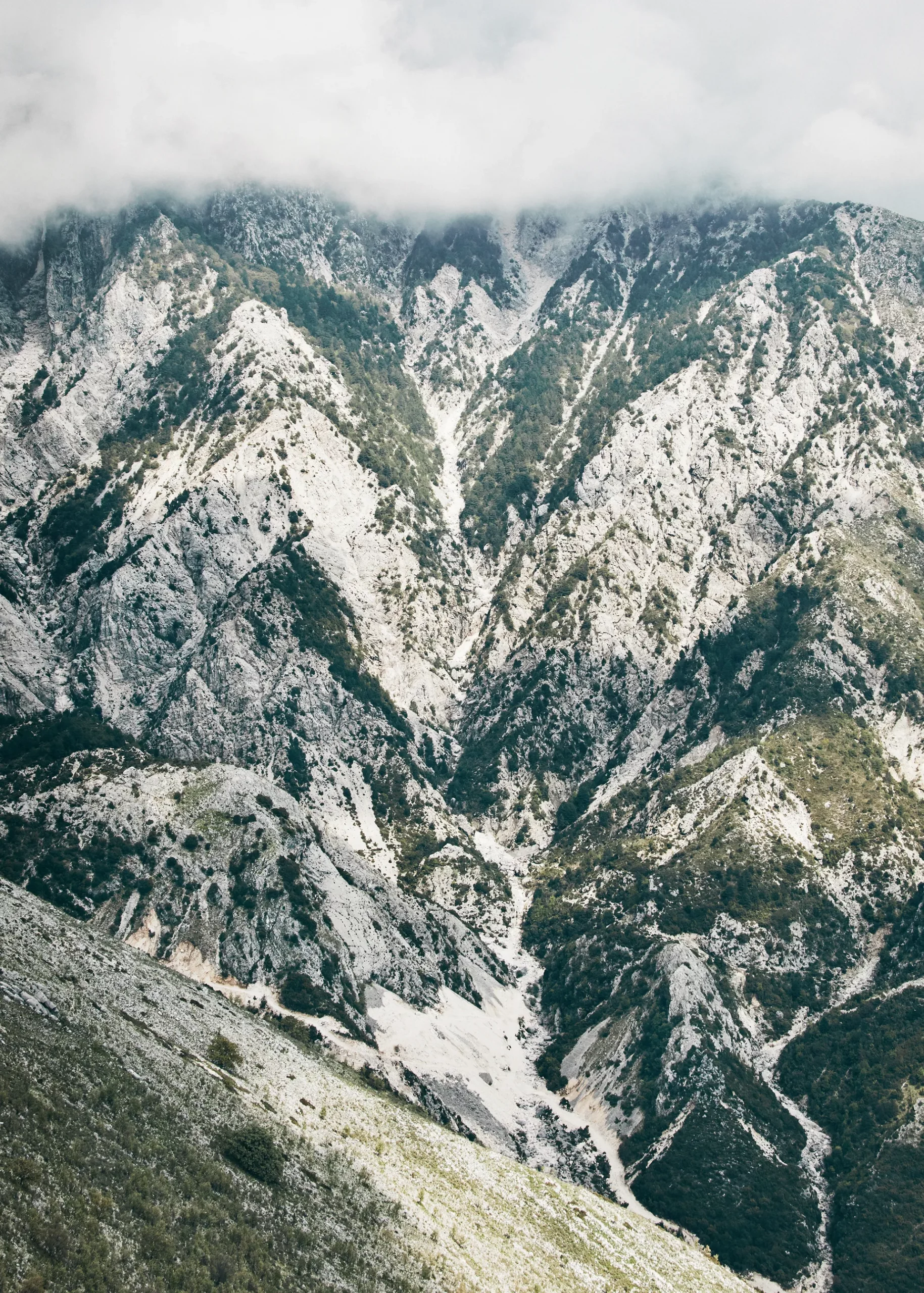
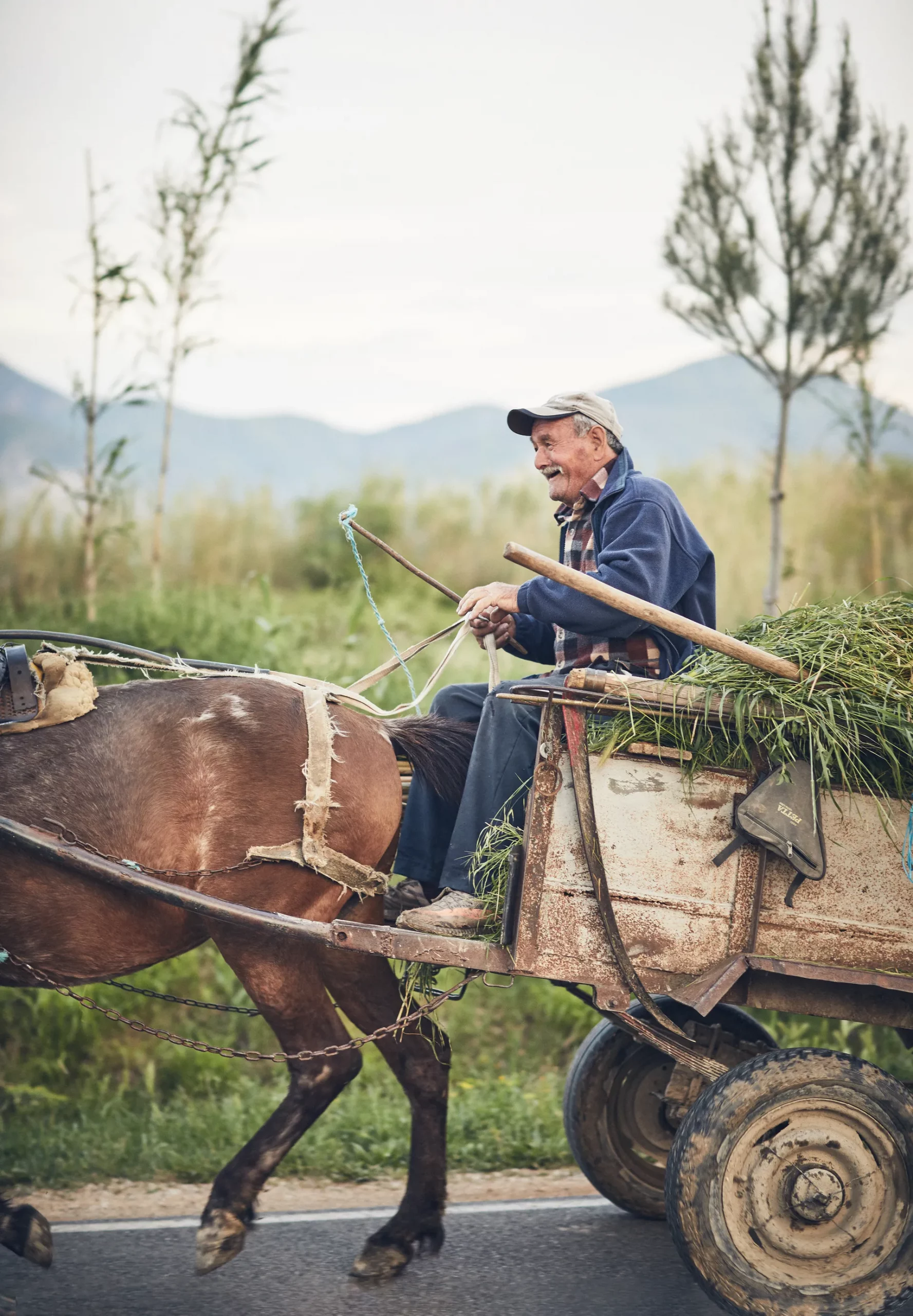
But it was not the blue bays and sparkling Adriatic that I had come for: I wanted a different Albania. Inland, among a lavish tangle of mountains, the country offers glimpses of a world that our great-grandparents would recognize – an old Europe of horse-drawn wagons rumbling along country lanes, of shepherds following in the wake of wandering flocks of sheep, of meadows
thick with spectacular drifts of wildflowers that, elsewhere, have been ploughed and pesticided out of existence.
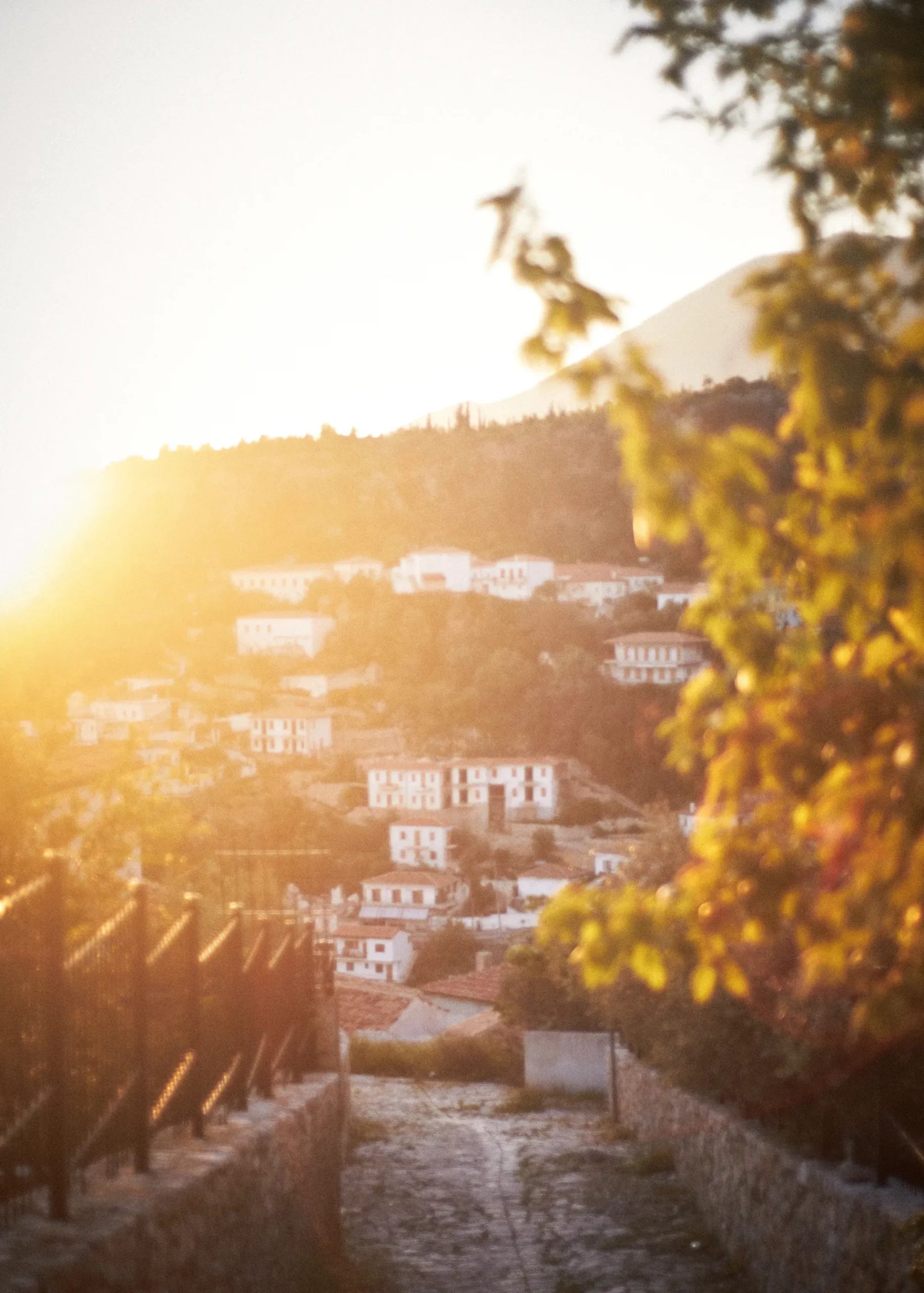
I headed to the ancient Ottoman city of Gjirokastra. A snakes-and-ladders kind of town, it has steep lanes lined with stone houses that seem to piggyback on one another. In some places, according to the Albanian writer Ismail Kadare, you can ‘walk down the street, stretch out your arm, and hang your hat on a minaret’. In the evening, I dined on an outdoor terrace, with the old houses clustered around me in companionable silence. Above the rooftops, the citadel floated, untethered like a mirage.
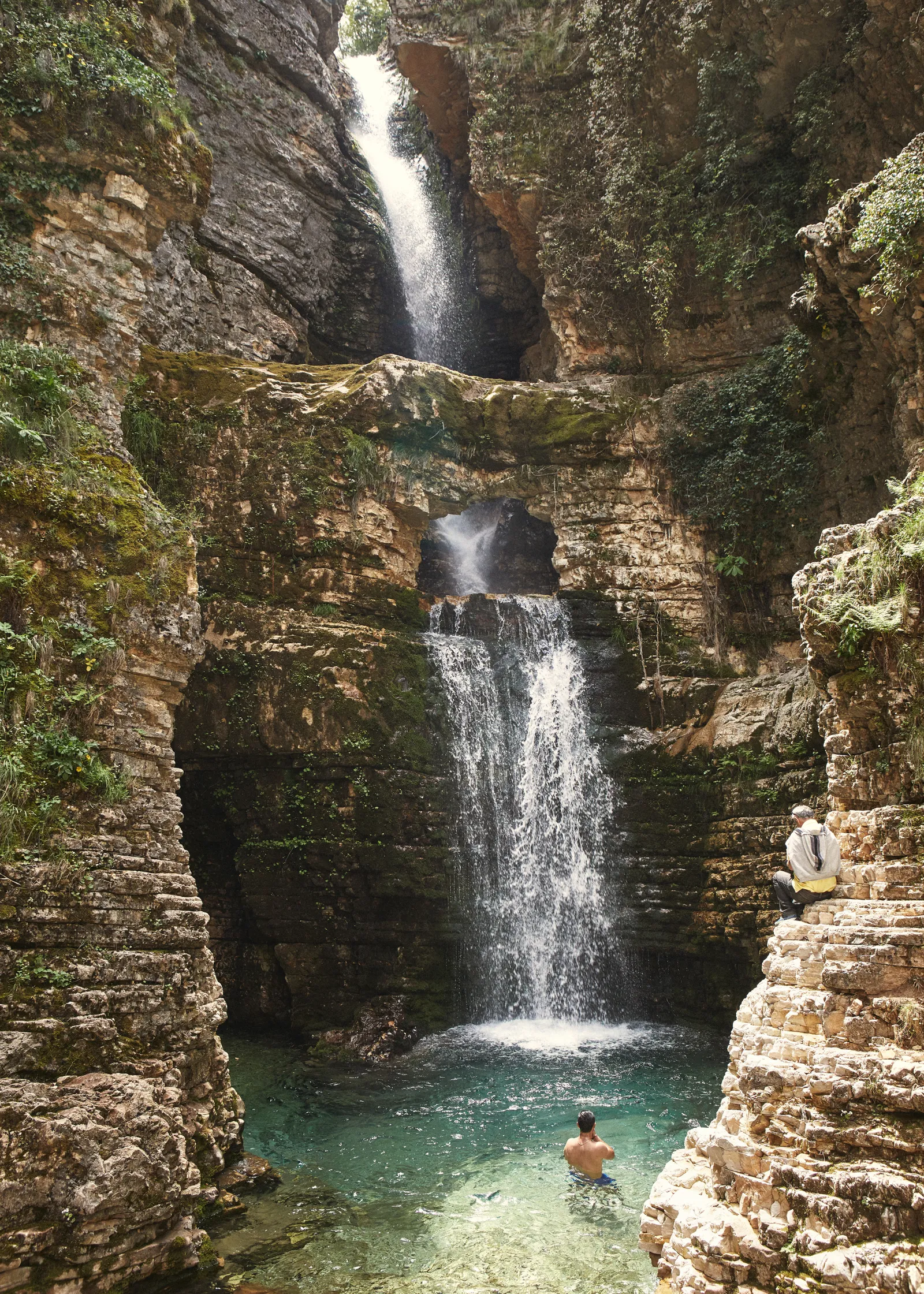
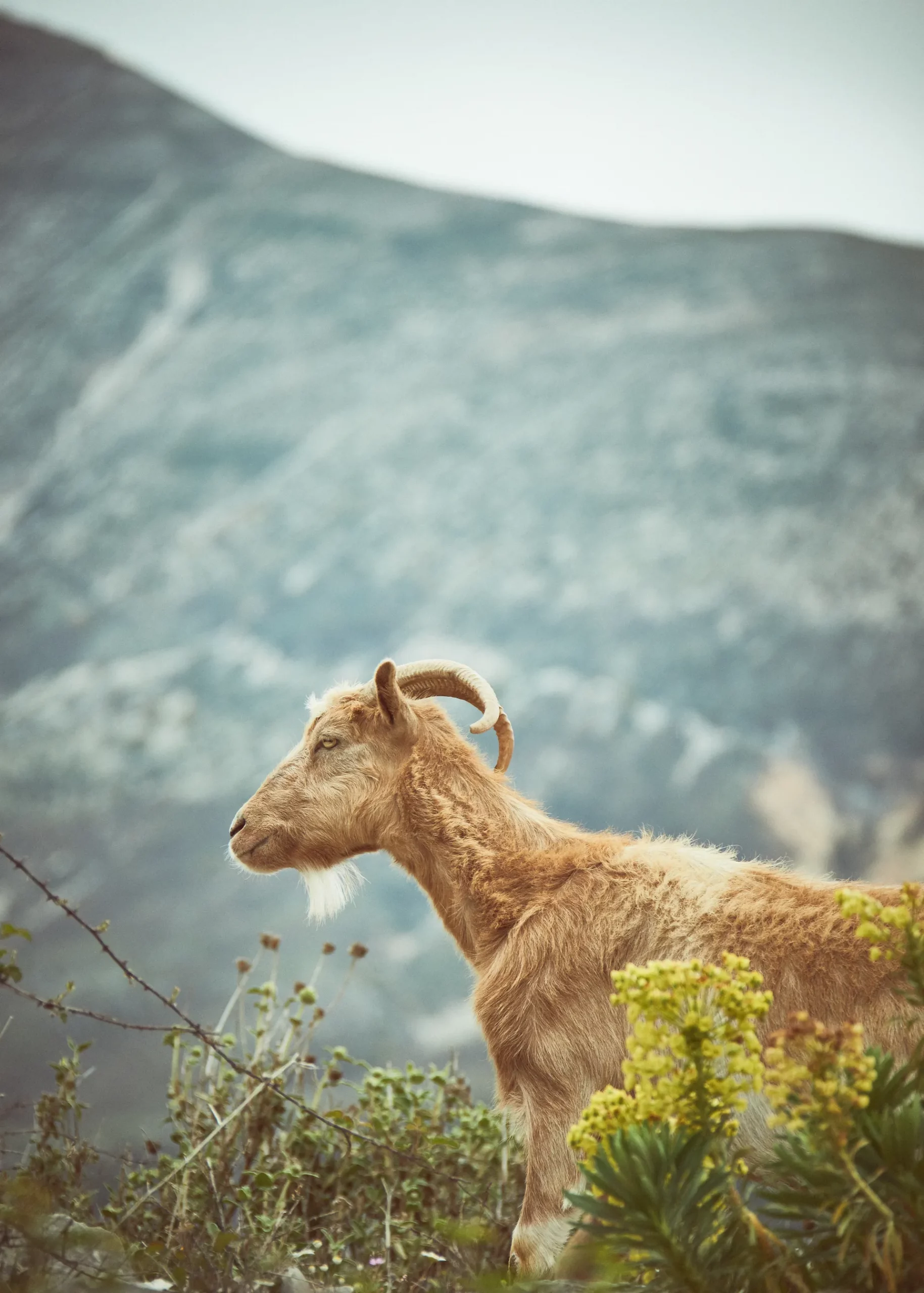
Leaving Gjirokastra, Elvis and I headed to Nivica Canyon, the empty road uncoiling upwards, clinging to precipitous ledges. Beyond the verge, the canyon yawned, a colossal geological melo- drama. Far below, waterfalls swam in and out of clouds. Horsemen appeared, riding lean mounts on high wooden saddles. A herd of goats flooded the road, trailed by a shepherd with a crook.
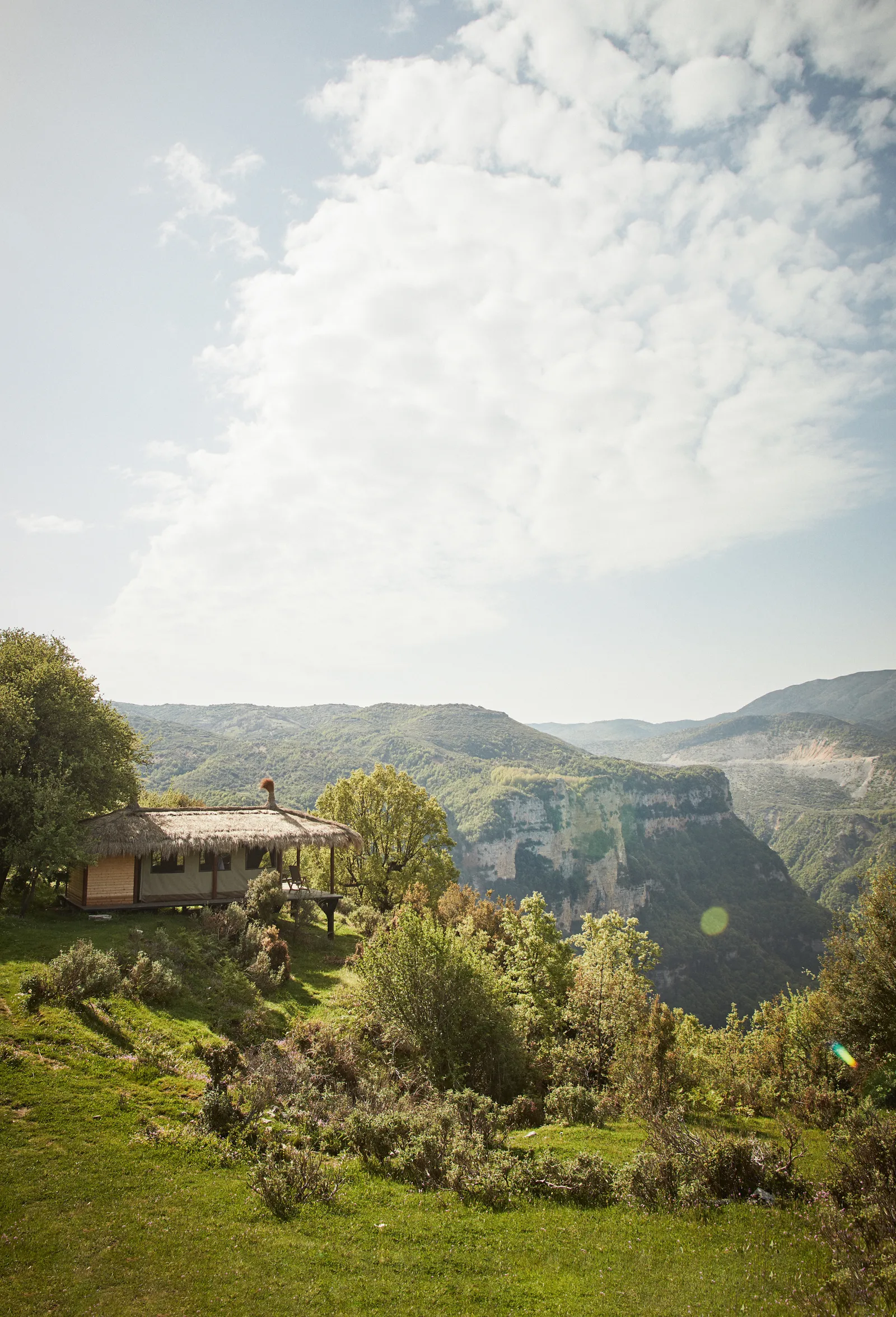
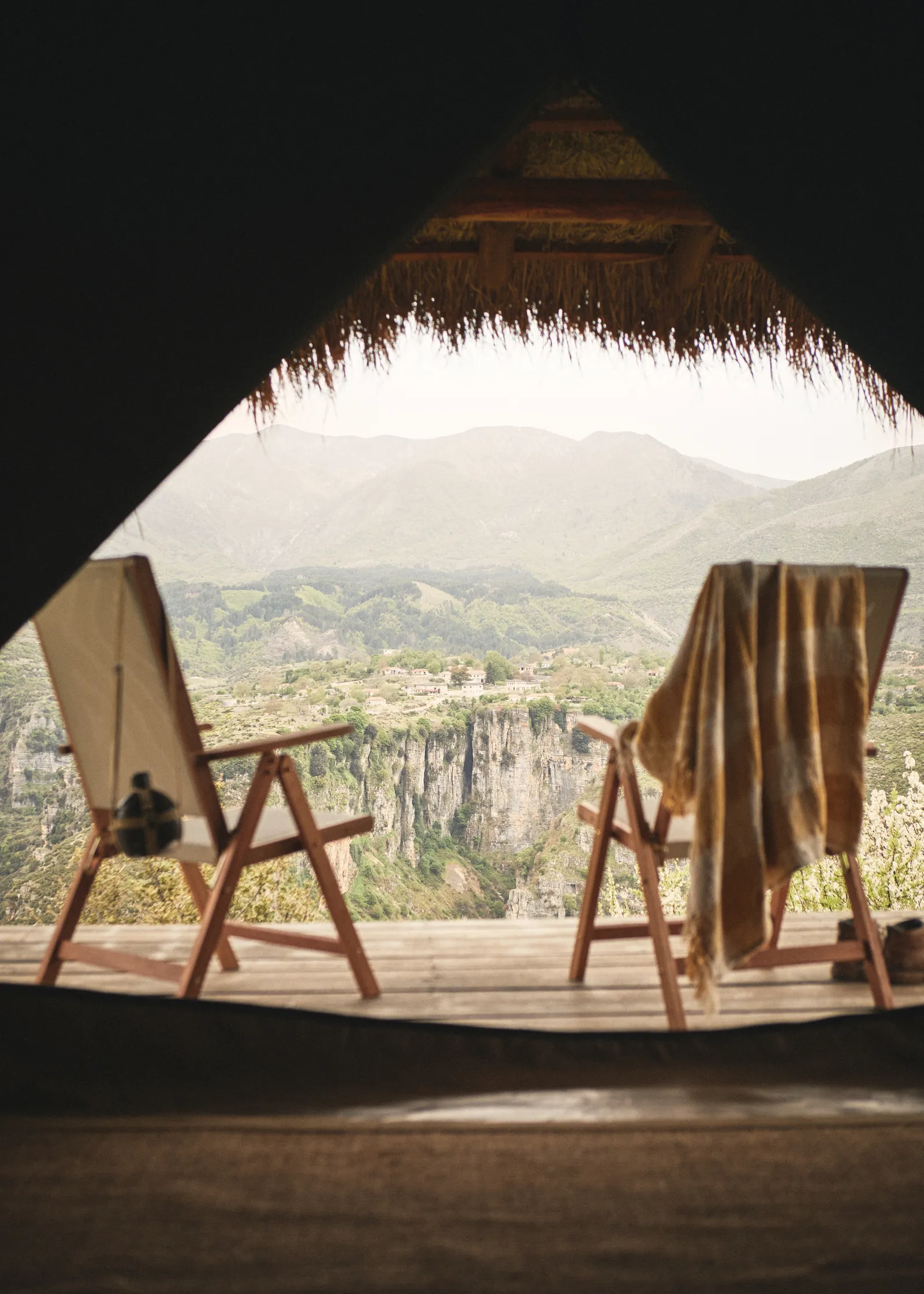
From the high village of Nivica, a battered Land Rover took me the last 30 minutes of my journey, along a near-impossible track to safari-style Camp Nivica: six luxurious tents pitched on a grassy slope. Below the tents, the world tumbled away into the depths of the canyon. I spent two days in this remote place, trekking by day and dining in the evening when, as the dark descended, by dessert only the stars offered illumination beyond a pool of candlelight.
It was on the road south from exploring the Illyrian tombs near Lin that Elvis suggested that we visit his brother-in-law. Elvis has two brothers-in-law. One lives in Chicago, where he now runs a successful pizzeria. The other, Sotir, lives in Shales, a remote mountain village two hours by donkey from the nearest town. Shales is a long way from anywhere, Elvis said, as we left the main road and climbed a winding track up into the mountains.
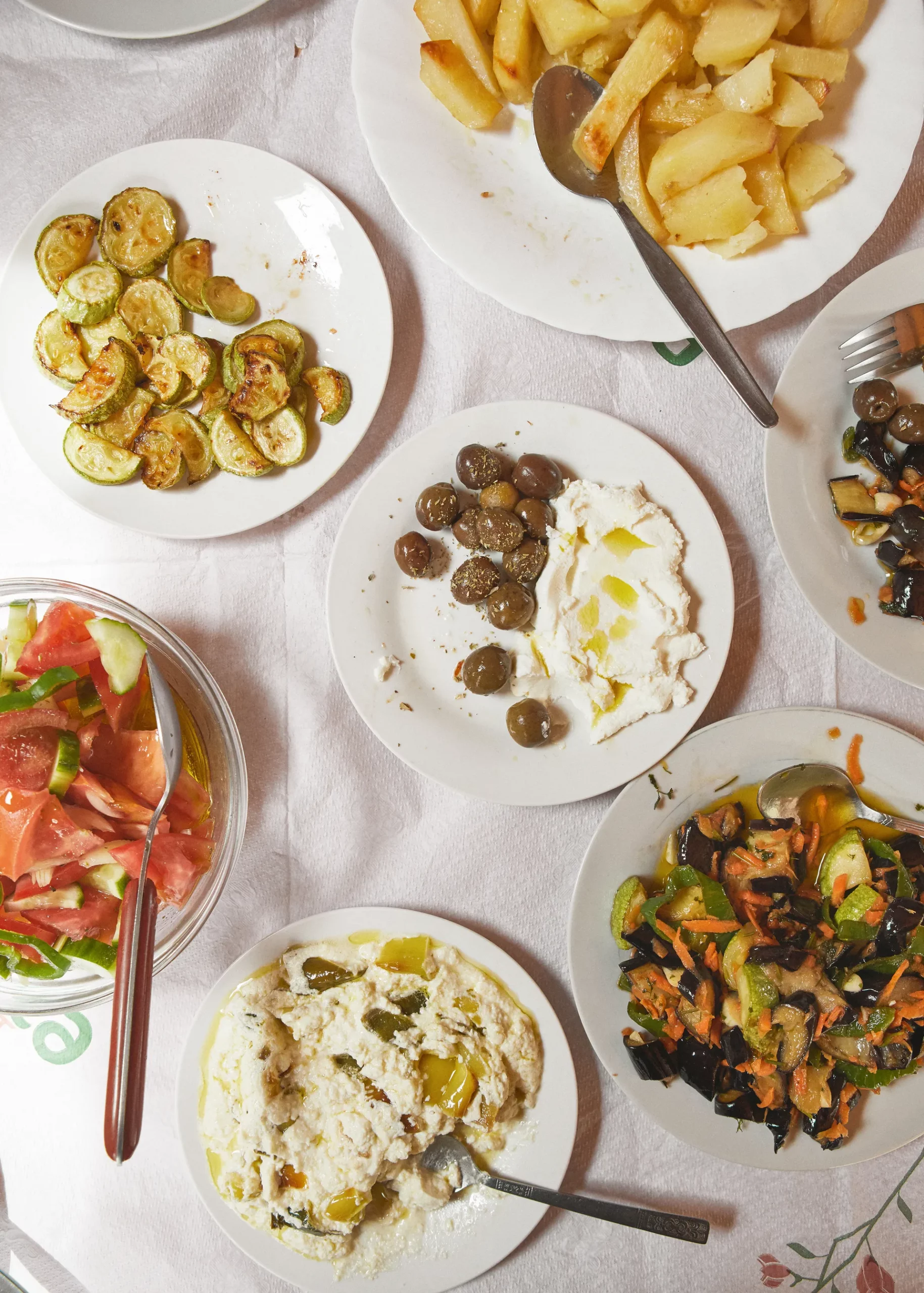
After half an hour or so, we came to a high valley ringed by peaks. Houses were scattered below the skeleton of a roofless church. In the time of the Dictator, it was used as an agricultural storehouse. Sotir was waiting by a gate; we were his first visitors in six months. He pumped our hands excitedly and ushered us towards his house, where we sat under a trellis of vines, as he and his wife brought out bowls of cherries from his orchard, goat’s cheese made that morning, honey from his hives, glasses of raki distilled from cranberries, and, finally, tiny cups of a thick Turkish coffee.
In the dappled light of the vines, listening to stories of wild boars and lost sheep, winter snowfalls and late-spring blossoms, it was easy to forget about everything, especially Albania’s troubled past. Shales seemed a world unto itself, marked by the seasons, crops and livestock, self-contained, independent, immune.
I asked Sotir if he would like to join his brother in Chicago. He shook his head, smiled and spread his arms, as if to encompass the whole glorious landscape of mountains and meadows, this remote world of homemade treasures. Everything is here, he said simply. It can’t be compared to Chicago.
You can read the original article here.