

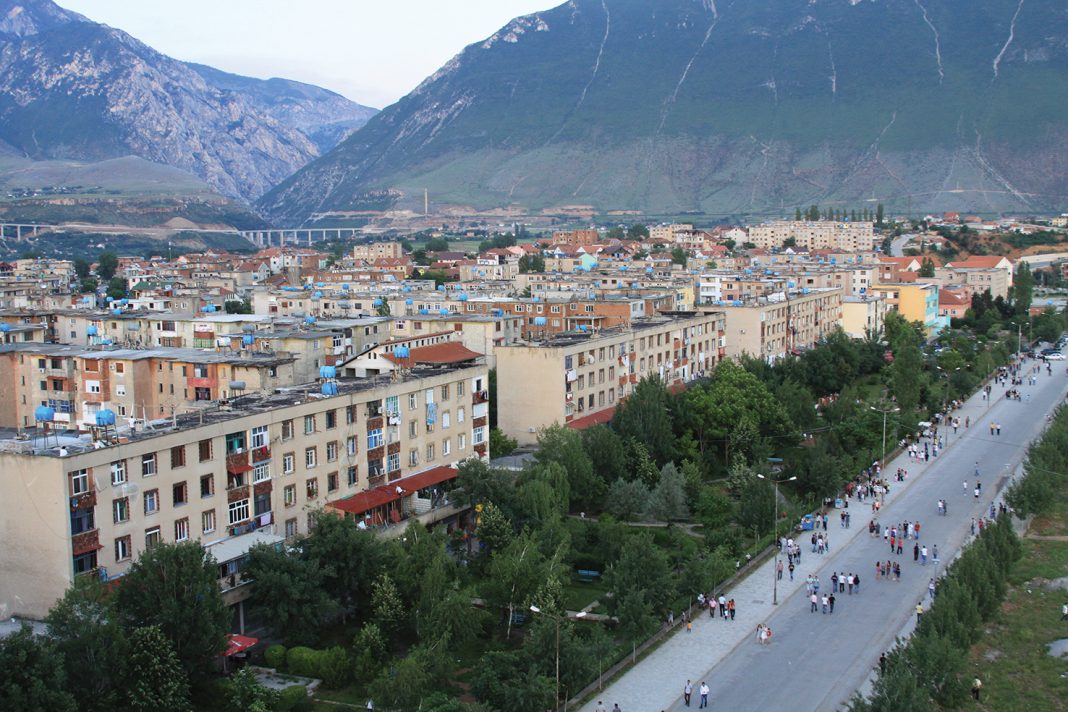
Albania is facing a rapid decline in births, especially in the years following the pandemic, but in the northern regions, the phenomenon is intensifying even more.
While births nationwide decreased by 10% in 2023 compared to 2022, in the Kukës District, the decline was 18.5%.
In the northeastern district, the poorest in the country last year, only 667 babies were born compared to 819 in 2022. In the past decade, Kukës is the only district that has experienced an economic decline, unlike the national trend according to official data from the Institute of Statistics (INSTAT).
Kukës is suffering the consequences of internal and external migration. Since 2015, a massive channel of emigration to the United Kingdom has significantly worsened demographic indicators.
After Kukës, the largest decline in births in percentage terms was in Lezhë with around 16.3% in 2023. In this district, 1010 babies were born in 2023 compared to 1208 the previous year, followed by Dibra where births decreased by 14.4% and Shkodra by 13.7%.
In contrast, the southern districts had milder declines in births. For example, the lowest decline in births was in the Gjirokastër District at 3%, followed by Korça with 3.7% less, and Durrës, Elbasan, and Fier with around 9%.
The capital city is also experiencing a decline in births, which year after year has a lower population growth. Last year, in Tirana, 8144 babies were born, with an annual decline of 10.4%.
From 2013 to 2023, births nationwide have declined by 37%, with the highest rates for the 10-year period in Berat and Kukës at 52% and 50% respectively.
Official INSTAT data indicate that nationwide, 22,210 babies were born last year, with a 10% annual decline or 2478 fewer babies than in 2022.
This was the strongest decline in the last 30 years since 1993 and has even exceeded the most pessimistic projections for the country’s population trend until 2060 developed by INSTAT.
INSTAT data show that in 2022, the fertility rate dropped to 1.21 children per woman of childbearing age, down from 1.32 in 2021. This is the strongest decline since 2015.
This means that out of 100 women of childbearing age, only 121 children were born, down from 132 born in 2021. From 2001 to 2023, the fertility rate has halved, dropping from a level of 2.31 children per woman to 1.21 children.
Compared to Eurostat data from 2021, Albania appears to have the lowest birth rates in Europe, surpassed only by Spain (1.19) and Malta (1.13).




