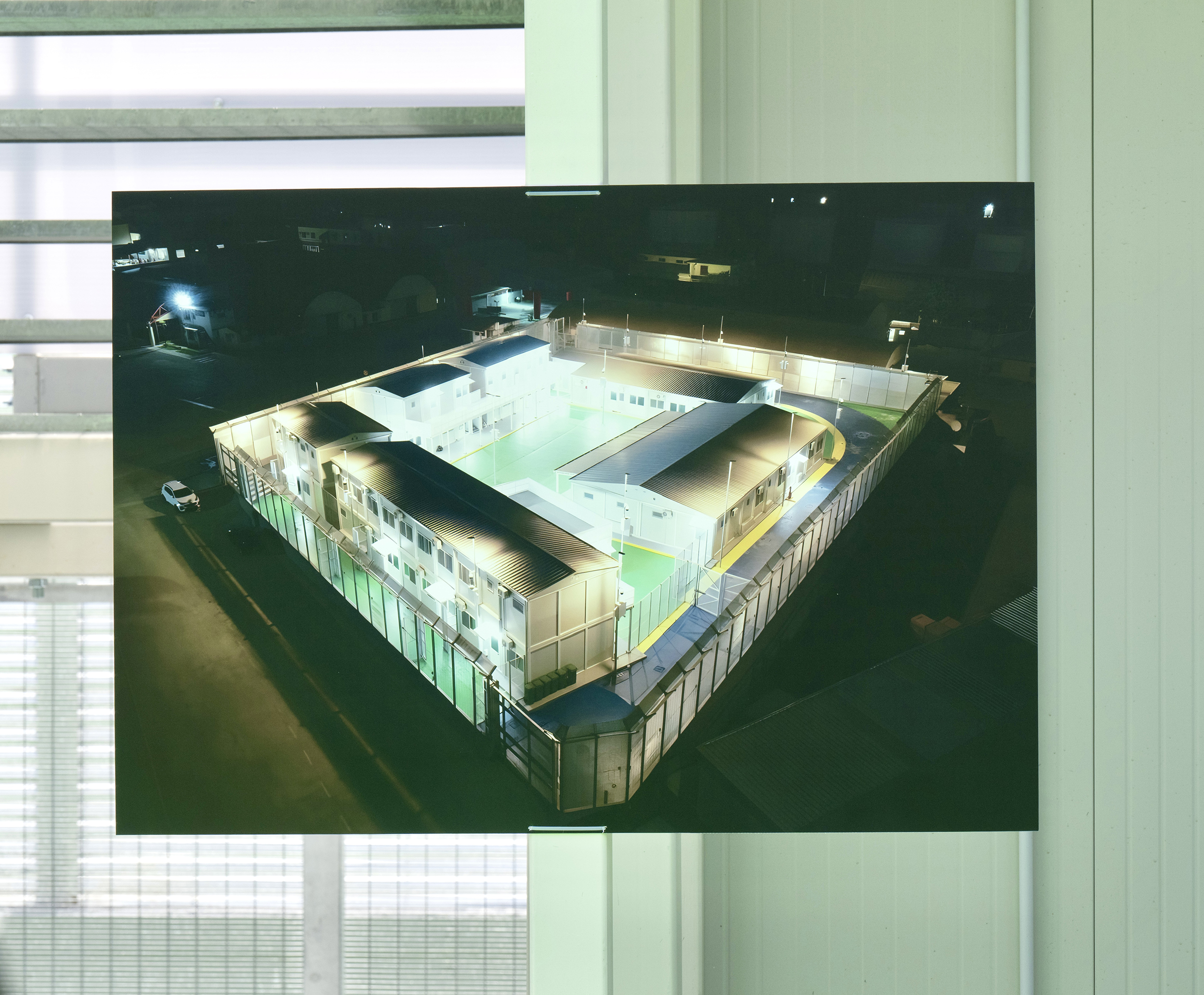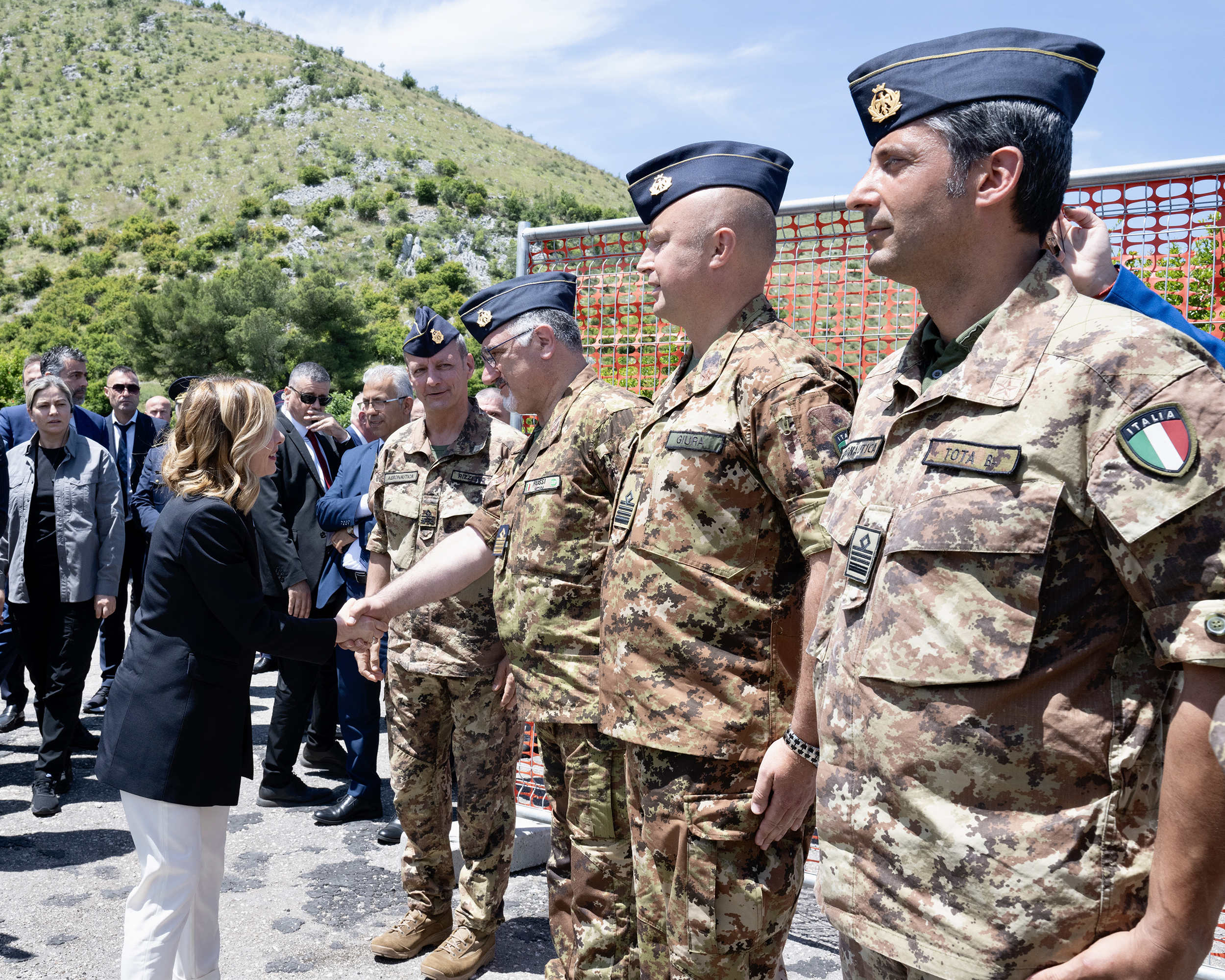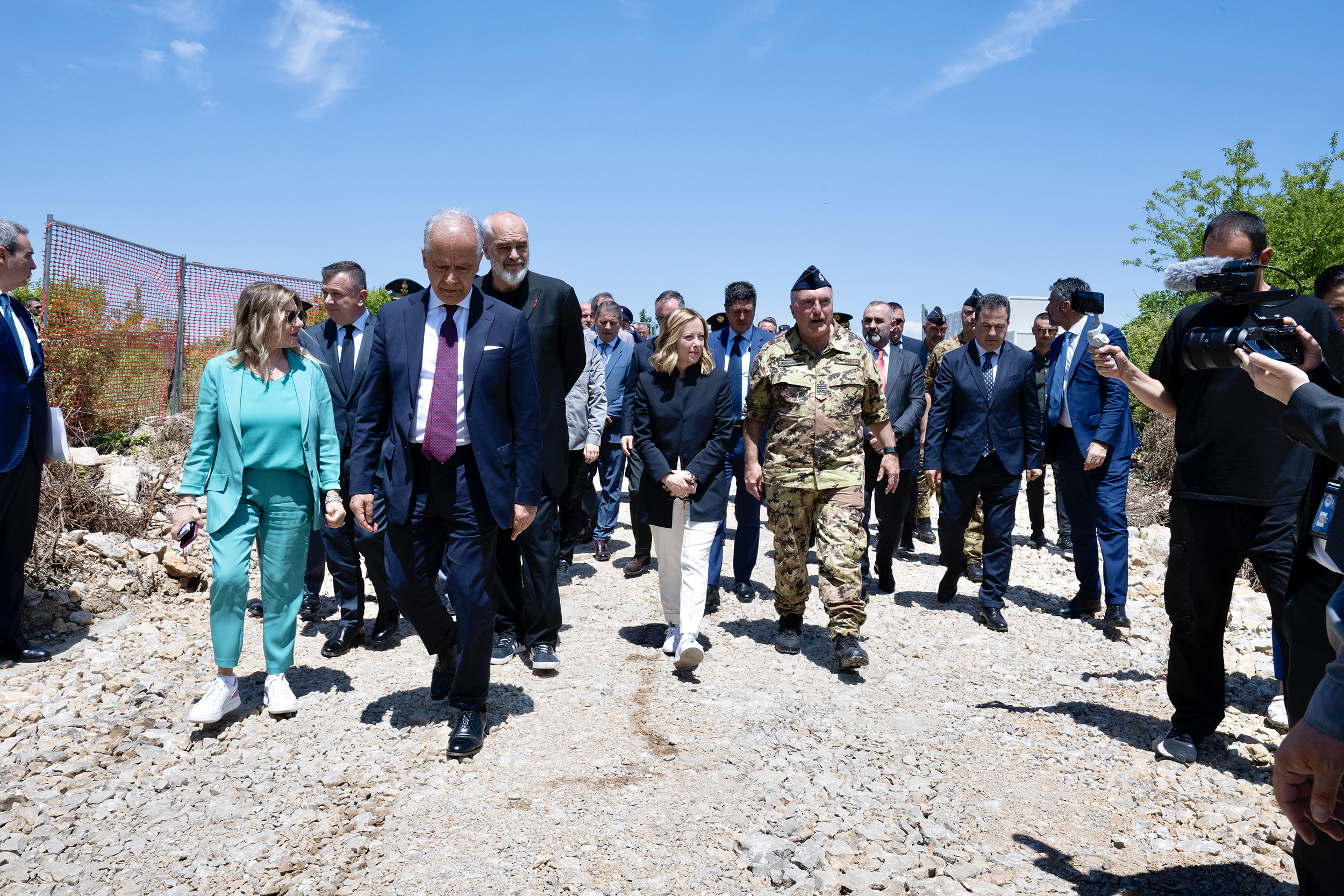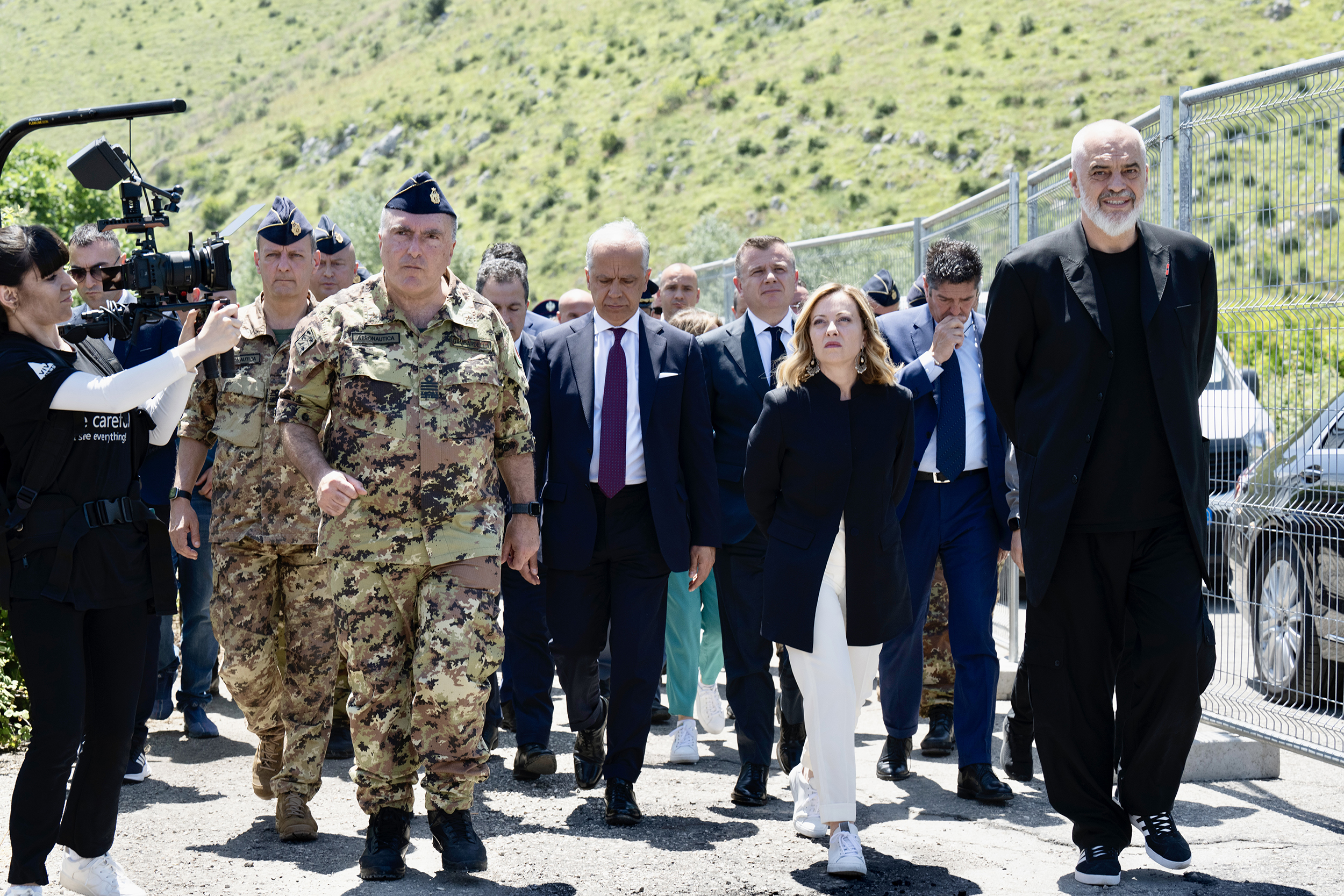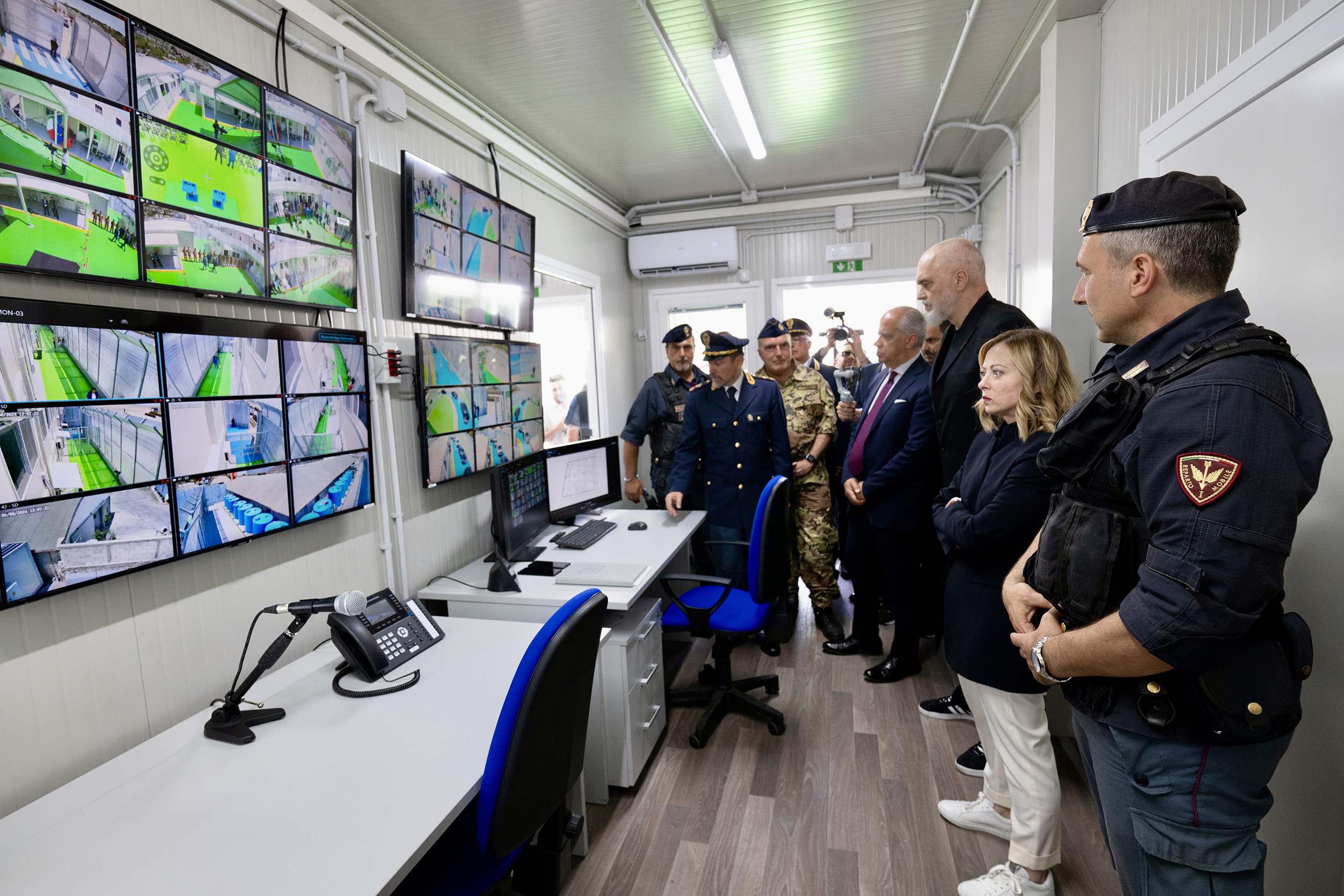


Italian Prime Minister Giorgia Meloni visited Albania on Wednesday, where her government plans to build reception camps to house thousands of migrants caught at sea.
Seeking to curb migration to Italy, Meloni signed an agreement with Albania last year to bring some asylum seekers to Albania and process asylum applications. Here are some facts about this much discussed and debated plan on both sides of the Adriatic.
What’s in the deal?
The deal, agreed for the first five years, calls for the landing of 36,000 migrants a year at the Albanian port of Shëngjin, about 75 km (45 miles) south of the country’s capital, Tirana. Their cases will be treated at a center being built at a nearby airbase in Gjadër, which can hold 3,000 people.
Both facilities will have Italian staff and operate under Italian jurisdiction. However, external security will be provided by Albanian guards.
How much will it cost?
Meloni said on Wednesday that the scheme would cost 670 million euros ($729 million) over five years – 7.5% of what Italy currently spends on its migrant reception centres.
How will it work?
The idea is that the selected migrants are brought directly to Albania after being taken at sea. Meloni has said officials will try to process asylum applications within 28 days, much faster than the months it currently takes in Italy.
Anyone whose request is accepted will be brought to Italy.
The vast majority of requests are expected to be rejected because the countries from which the migrants come are considered safe, which automatically limits the scope for granting asylum. Those whose applications are rejected will be detained before their eventual repatriation.
However, this process is very slow because some countries refuse to take back their nationals or set a limited number of returnees. There is a possibility that the center in Albania will quickly fill up with migrants waiting to return home.
It has not yet been determined whether those awaiting a final decision on their refugee status will be able to leave the centers. Many migrants in Italy disappear from reception centers and scatter across Europe, living under the radar.
When will begin working?
It was supposed to start this month, but the buildings are still not finished. Meloni said the two centers will be operational from August 1, but added that Gjadër would not be able to receive the full planned quota of 3,000 immediately.
What does Italy gain from the deal?
Italian officials have said the deal could help ease congestion at processing centers in Italy. Meloni also said on Wednesday that she would try an “extraordinary deterrence” for those thinking of coming to Italy. Albania is not a member of the European Union, it is a poor country and does not offer easy access to the rich north of Europe.
What does Albania benefit from the agreement?
By helping Meloni, the government in Tirana is securing its support as it pushes to become a member of the EU. It is also showing the rest of Europe that it is ready to help the 27-nation bloc deal with one of its most difficult problems in recent years. Ordinary Albanians have also said it is a way of thanking Italy, which took in thousands of Albanians fleeing poverty after the fall of communism in 1991.
How does it differ from Britain’s deal with Rwanda?
Britain wants to send asylum seekers to Rwanda, but it is a very different plan to Italy’s initiative. One key difference is that migrants sent to Rwanda will have to stay in the central African country even if they gain refugee status. Another difference is that, unlike Rwanda, those sent to Albania will be protected by the European Convention on Human Rights.