

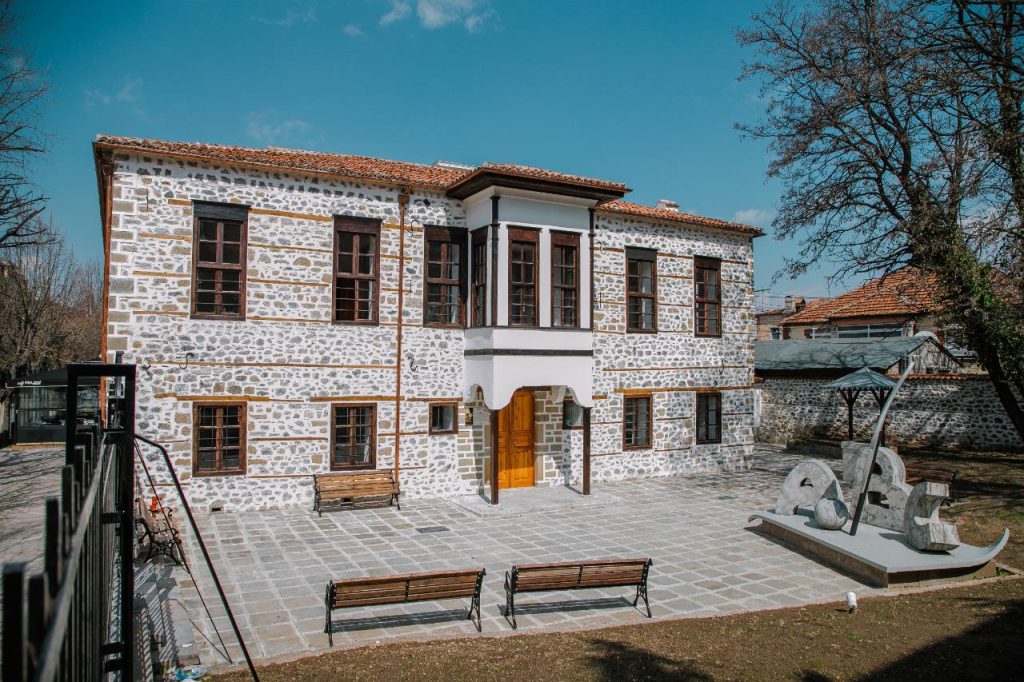
November 22 is the Day of the Alphabet of the Albanian Language, already declared an official holiday.
116 years after the “Congress of the Alphabet”, which was an academic conference in the city of Bitola, which today is known as the “Congress of Bitola”, Albania is taking steps behind, risking the increase of illiteracy in the country.
Data from the World Bank show that not only is the number of people enrolled in primary schools falling significantly, but it is also among the lowest in Europe.
In 2023, the gross primary school enrollment rate in Albania dropped to 93.7%, down from 105.4% in 2017, marking a sharp decline following the pandemic.
This means that those enrolled in primary school (regardless of age) were almost 94% of the 6-12 year old population. This is the lowest level on record since 1976, when the World Bank reports the data.
The deterioration of this indicator, according to experts, is related to several statistical and behavioral factors. First, the emigration of families that have children in compulsory education as well as those of secondary education age, while they continue to appear in civil status registers.
The data show that there is a risk of increasing the number of young people who have not even completed compulsory education, which will lower the average level of education in the country. This may lead to an increase in the number of illiterates in the country.
Not only enrollment in primary schools providing basic training has fallen, but also the quality of teaching, as shown by the latest results of the international Pisa test, where Albania had the highest decline in the world.
Romania has the lowest level of gross enrollment in primary education in Europe (84.9), followed by Bosnia-Herzegovina (87.2), Ukraine (92.8), Malta (93.5).




