

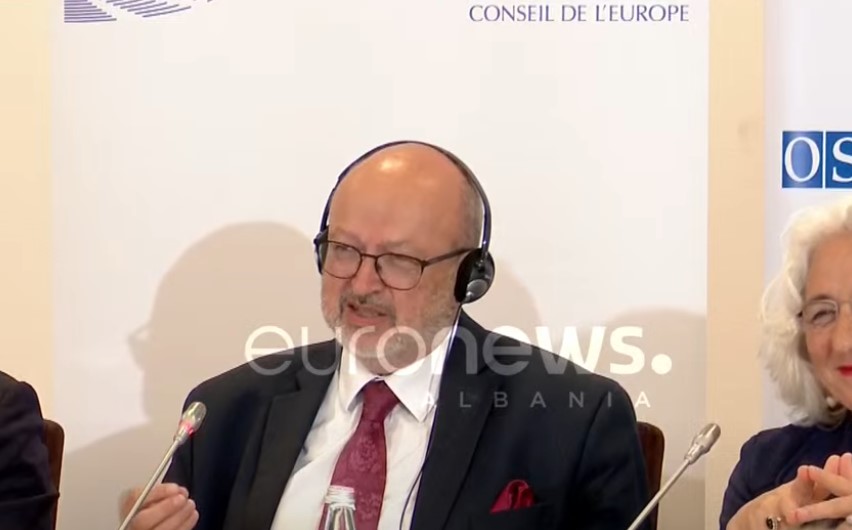
The OSCE/ODIHR election observation mission presented its preliminary conclusions on Albania’s May 11 local elections during a press conference in Tirana. The Head of the Mission, Ambassador Lamberto Zannier, emphasized that although the electoral process was generally calm and well-managed by the electoral authorities, several serious concerns were identified that undermine the integrity of the elections.
“There is still no comprehensive electoral reform, and many previous ODIHR recommendations have been neglected. Nevertheless, the election administration worked transparently and met legal deadlines,” Zannier stated, adding that although the campaign was calm, it included harsh rhetoric and mutual accusations between key political leaders.
Among the issues identified by international observers were:
- Lack of adequate training for commissioners
- Voter confusion in some polling stations due to the use of technology
- Insufficient public information on electronic voting
- Absence of public debates between candidates, limiting voter awareness
Zannier also highlighted pressure on civil servants, use of state resources, and last-minute pardoning of fines as problematic practices.
“Pressure on public employees, use of state resources, forgiving of fines, and last-minute electoral schemes were widely reported and represent an unfair advantage for the ruling party,” he said.
Further in the conference, Farah Karimi, the OSCE’s Special Coordinator and leader of the short-term observation mission, referred to the ‘patronage system’ as a form of pressure on public administration, reported by multiple sources and included in the final mission report.
Meanwhile, the representative of the European Parliament in the observation mission praised the Central Election Commission for its professional management of the process but noted that practices such as the last-minute use of pension schemes and lack of media independence negatively affected the fairness of the race.
“The elections were competitive and the campaign was calm, but a lack of transparency in campaign financing and political influence over the media limited citizens’ access to objective information,” he noted, welcoming the cooperation between SPAK and the CEC in addressing electoral crimes.
The final OSCE/ODIHR report is expected to be published in the coming weeks. The mission called on Albania’s political class to engage in good faith toward improving democratic standards and creating a more inclusive and constructive electoral environment.




