

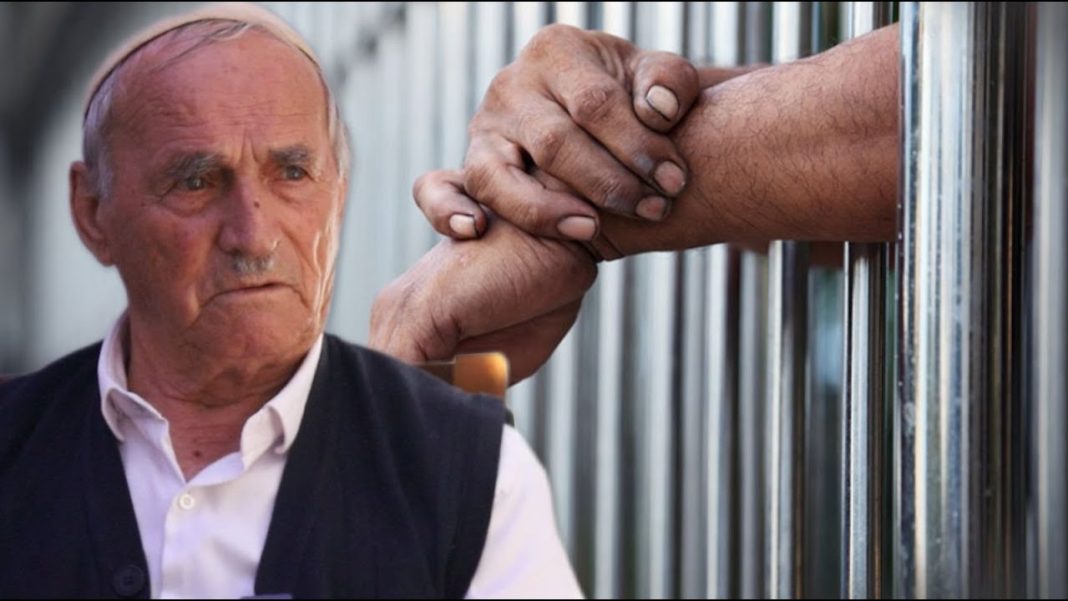
In an exclusive interview for the program Review, renowned blood-feud mediator Adem Isufi spoke about the continuing role of the Kanun of Lekë Dukagjini in resolving conflicts in northern Albania.
Isufi emphasized that, unlike state law, the Kanun is more effective in building peace and reconciliation between opposing sides.
“The Kanun has provisions for everything. It has found a solution for every kind of event that occurs in life,” said Isufi, highlighting that traditional rules deliver justice to the wronged party in ways the modern legal system cannot.
According to him, while state law punishes offenders without offering restitution to the victims, the Kanun obliges the guilty party to repair the damage caused, thus paving the way for forgiveness and reconciliation.
“The law punishes; he serves his sentence while state employees are paid. But the victim gets nothing. When the offender is released, the conflict remains as it was the day it began. The Kanun makes the guilty party return the damage, and only then can reconciliation happen—they shake hands, and the conflict is gone forever,” Isufi explained.
Having worked for years as a reconciliation missionary in troubled areas, Isufi noted that many citizens still turn to him for conflict resolution, though he admitted that disputes today are often more complex and harder to mediate.
“We exist as missionaries because people come to us to resolve conflicts. But the problems happening now are difficult and often not well-understood. If I know about a conflict, I go and talk to both sides. I tell them: you must act in this way to separate peacefully from each other.”
Isufi stressed that the true purpose of the Kanun is not revenge, but peace and honorable resolution—facilitated by a third party who brings lasting calm and reconciliation.
“The Kanun exists to resolve conflicts and bring peace. When a missionary intervenes with the Kanun, the conflict disappears.”
At the end of the interview, Adem Isufi delivered a strong message about life and the respect owed to human dignity:
“No person has the right to take another person’s life, except God who has given it. No one else.”




