

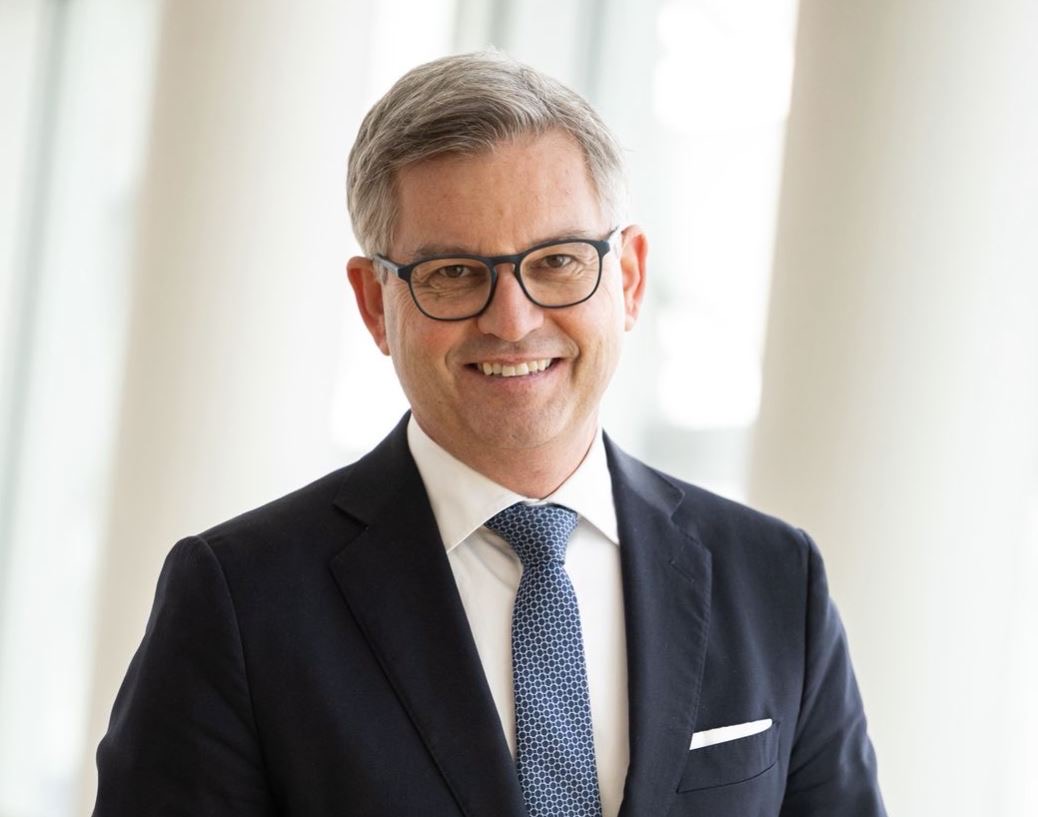
“SPAK, established as a core pillar of the justice reform, has made significant achievements so far and plays a key role in delivering tangible results in the fight against organized crime and corruption.”
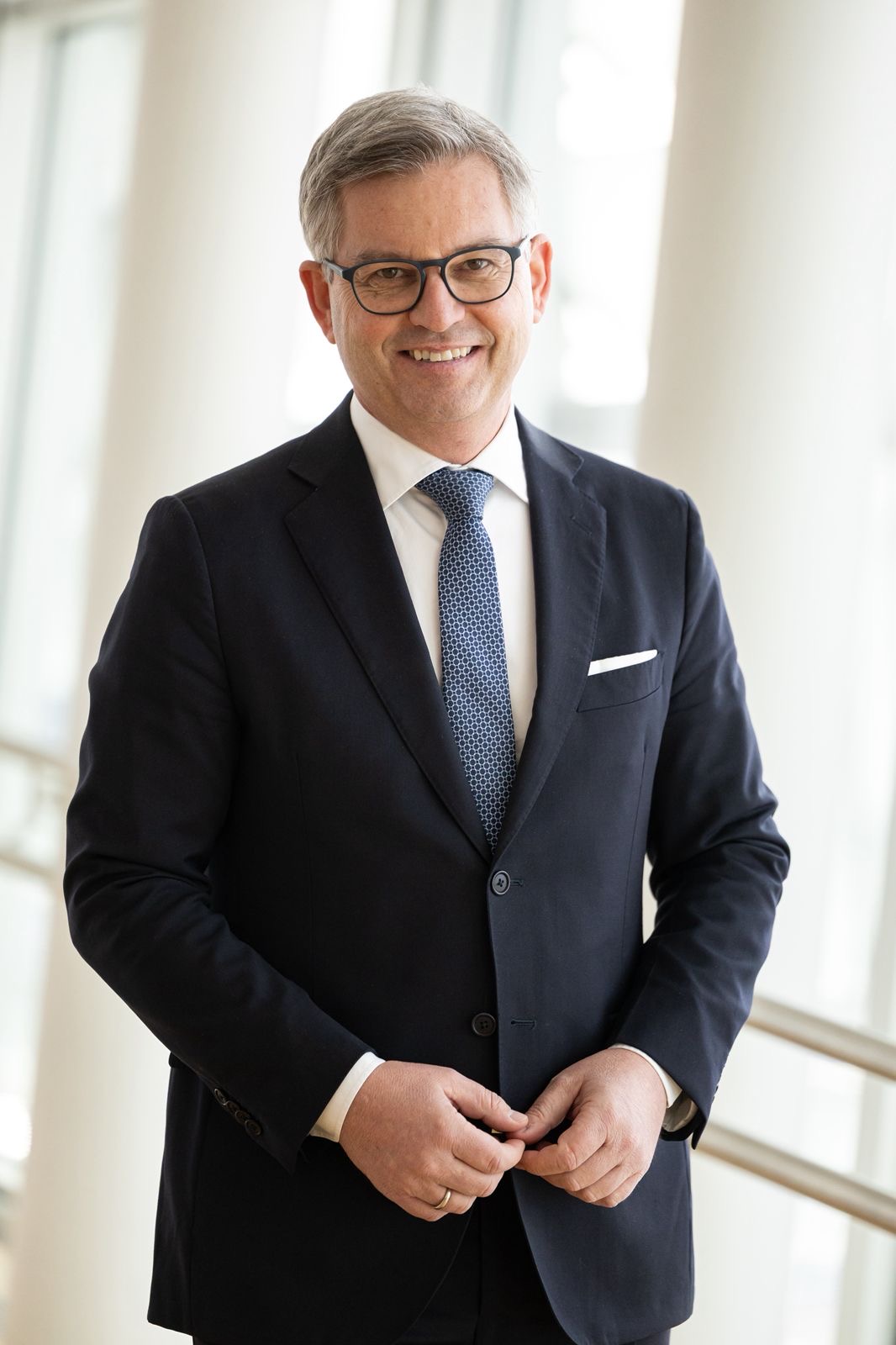
The Commissioner for Home Affairs and Migration, Magnus Brunner, has given an exclusive interview to Euronews Albania. Interviewed by Euronews Albania’s Editor-in-Chief, Mili Xhani, Brunner spoke about his visit to Albania, the European Union’s objectives toward the country, the integration process, and Albania’s challenges related to justice and migration.
During his stay in Albania, Brunner held several meetings, including with Prime Minister Edi Rama, Minister of the Interior Albana Koçiu, the Head of SPAK, Klodian Braho, and EU ambassadors in Tirana. The Commissioner stated that the purpose of his visit and his main message was the continuation of Albania’s European integration process.
On the other hand, Brunner also addressed the issue of justice, noting that the Justice Reform, approved in 2016, has been a key milestone in helping Albania face its European challenges.
The Full Interview:
Albania is a frontrunner in the EU accession process, and you are making a direct contribution to our shared security. The most important and demanding files in the accession process are the rule of law and security chapters. They are central elements in the accession process for any candidate country, but above all they will benefit Albanian. I am here to offer the EU’s support and make sure that we continue on this path with the same determination that we have seen in the last year. It is the best investment for the future of Albania. And it is entirely in the hands of the Albanian people.
The facts speak for themselves: a reduction of 95% of illegal arrivals on the Western Balkan route, Albania being the first enlargement country to adopt in January 2026 a Schengen Action Plan, and implementing a roadmap for visa alignment in November 2025. All this commitment paves the way to EU accession and becoming part of the largest area of freedom of movement in the world.
In 2025 the EU showed that we can deliver on migration. We are currently putting in place the biggest reform on migration and asylum in Europe. This reform also includes new rules for people who have no right to stay in the EU. Last year, only 1 in 5 persons, who were ordered to leave, actually returned. This is unacceptable. And that is also why we proposed an ambitious set of new rules, which were already endorsed by EU Member States.
These new rules also provide a framework for working on new ways to engage with partner countries on migration. This is something the EU’s Member States are now exploring and the Commission plays a supportive role in this. For me what is essential is that the EU starts to look beyond its borders and pursue a whole-of-route approach to migration, one that recognises that migration does not start nor end at EU borders and therefore has to take a more comprehensive approach.
Yes, indeed. But Albania has made concrete progress. Aligning its policies and legal framework with the EU acquis is a key element of Albania’s path to EU accession and already contributes to our shared security. Further efforts are needed to strengthen law enforcement capacity and ensure effective investigations.
As I have said, these are key chapters in the accession process, and first and foremost they are in the interest of the Albanian people. And the judicial reform that Albania adopted in 2016 has helped address these challenges. SPAK, established as a cornerstone of the 2016 judicial reform, has made important achievements to date and plays a key role in delivering tangible results in the fight against organised crime and corruption. The cooperation with Europol is solid: Albania strengthened its presence there and carried out almost 110 joint police operations with international partners in 2024. Strengthening this cooperation and delivering concrete results for stability, the rule of law and the safety of our citizens are at the centre of my meetings in Albania.
Our message is clear: stay the course. Albania is on the right path. Important reforms have been delivered. To reach the 2030 objective, these efforts now need to continue. This is particularly true for strengthening law enforcement capacity and improving the effectiveness of investigations.




