

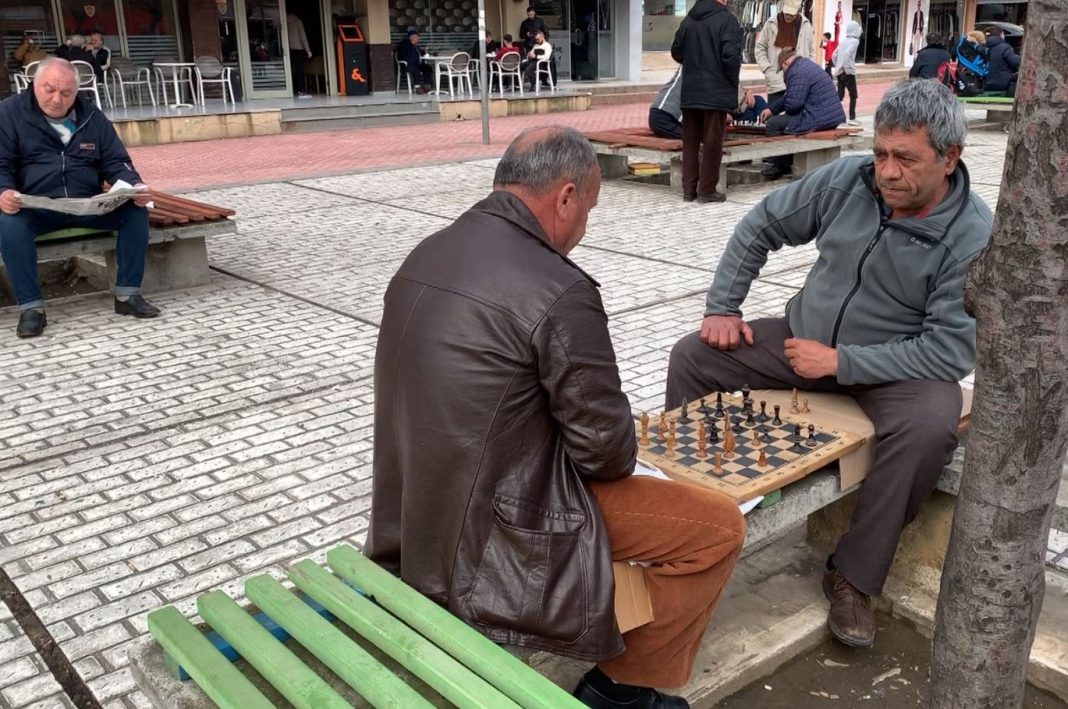
The elderly population in Albania is increasing rapidly, reflecting a significant transformation in the country’s demographic structure. This phenomenon was not as pronounced just 11 years ago, in 2015, when the country was considered among the youngest in Europe, with an average age of 34.7 years.
Today, data show a different reality. The share of the population aged over 65 has increased significantly, from 18.2% of the working-age population in 2015 to 33.3% in 2025. This shift is directly linked to declining birth rates and the shrinking of younger generations.
“The causes are diverse, but they are contributing to a transformation in the structure of our country’s population. Tirana stands out, as it offers more opportunities for young families, who see the capital as a chance for the future. This will continue to be reflected in the population structure — we are talking about a rising average age, a high number of elderly people, and a small number of young people, many of whom have chosen to emigrate,” said sociologist Entela Binjaku.
In 2025, only 21,425 births were recorded — 8.1% fewer than the previous year and about 74% fewer compared to the early 1990s, when more than 82,000 children were born annually. As a result, the ratio between young people and the elderly is shifting in favor of the latter.
“In these cities, the fact that young people are leaving and areas are emptying is because they find fewer opportunities for themselves, fewer spaces to adapt or integrate — spaces that provide security for the future. Effective measures must extend to all regions so they do not fade as a result of emigration or departures for various reasons. The most impactful measures are those linked to local government,” the sociologist stated.
Experts say the consequences are multiple and long-term, as the shrinking of younger generations threatens the country’s economic development and demographic sustainability.




