
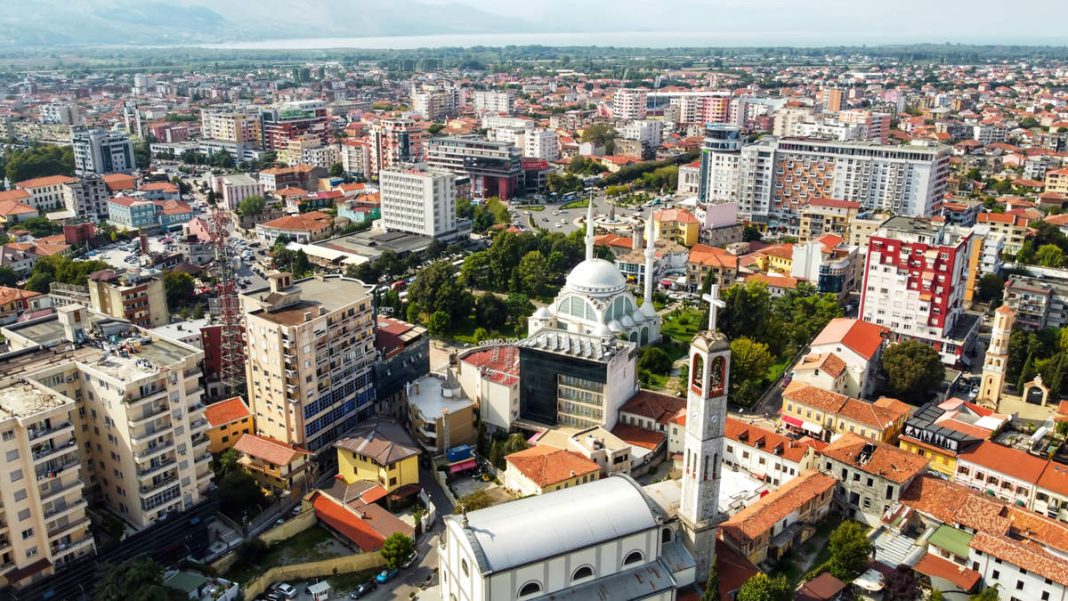
Tourism accounts for 22% of Albania’s Gross Domestic Product (GDP), making the country’s economy highly sensitive to developments in this sector. According to data published by Visual Capitalist, based on statistics from the World Tourism Organization and the International Monetary Fund (IMF), Albania ranks after Malta and ahead of Montenegro in terms of tourism revenue dependency. Globally, the country ranks 16th for reliance on tourism.
Based on data from INSTAT, Albania has experienced a tourism boom in recent years, with foreign visitor arrivals surpassing 12 million in 2025. The influx of visitors has stimulated investments in the hospitality sector, created opportunities for short-term rentals, and activated the broader economic chain, including trade, services, bars, and restaurants.
Experts warn that a high dependence on tourism makes the economy more vulnerable to global crises, seasonality, and fluctuations in the international market. Unexpected shocks such as global conflicts or pandemics can severely impact the sector.
In comparison, Macau is the world’s most tourism-dependent economy, where visitor spending accounts for 70.8% of the economy, while Papua New Guinea has the lowest level of dependence, with only 0.01% of its GDP derived from tourism.
This situation places Albania in a sensitive position: tourism drives growth and investment, but high dependence requires careful management to avoid unexpected economic shocks.