

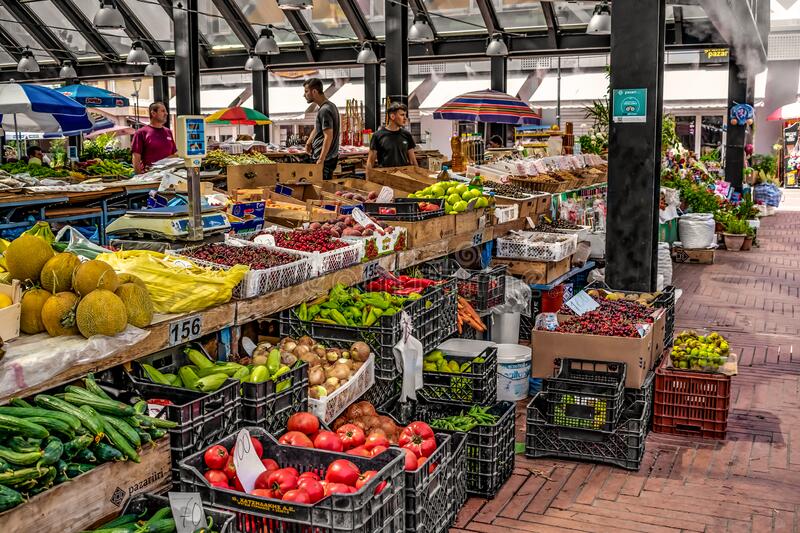
Apart from meat and dairy products, which reflect the crisis of the livestock sector, imports of other food products have experienced a rapid decrease in the first 4 months of the year, a downward trend that started last year, analyzes the weekly economic magazine, Monitor.
According to the latest INSTAT data pertaining to the period January-April 2023, food imports in quantity fell by 11%. The decline in food at a time when domestic production remains the same and further declines in some items reveals the negative immigration trends and weakness in consumption due to high prices.
The most detailed data show a big drop in the two main groups, sugars by 41% and grains by 28%. The decline in these items is a reflection of population change in favor of aging and high immigration. Last year, about 30,000 people sought asylum in Great Britain and the EU, while thousands of others immigrated regularly to EU countries, Canada, and the USA.
The drop in sugar imports by 40% in quantity at the beginning of this year shows the weakness in consumption due to migration and lack of purchasing power. The decline of young people who are the main consumers of sweets has influenced the decrease of sugar-based imports.
Other food products, such as seeds, oils, fish, fruits, vegetables, etc., had a double-digit decrease in import quantities.
On the other hand, some items related to livestock production have experienced an increase in imports. The increase in imports in this group is related to the crisis in the livestock sector, rather than the increase in consumption of these products.
The number of cattle in rural areas of the country is shrinking rapidly due to the reduction of the rural population and the high costs of cattle breeding. Domestic production has fallen to such an extent, creating a bubble of high prices, that even the best quality imported products are becoming competitive in Albanian supermarkets.
Albanian agriculture suffers from high informality and a lack of reliable data. The lack of an inventory for domestic consumption needs and weak subsidies are holding hostage the sustainable development of the sector, concludes the Monitor analysis.




