

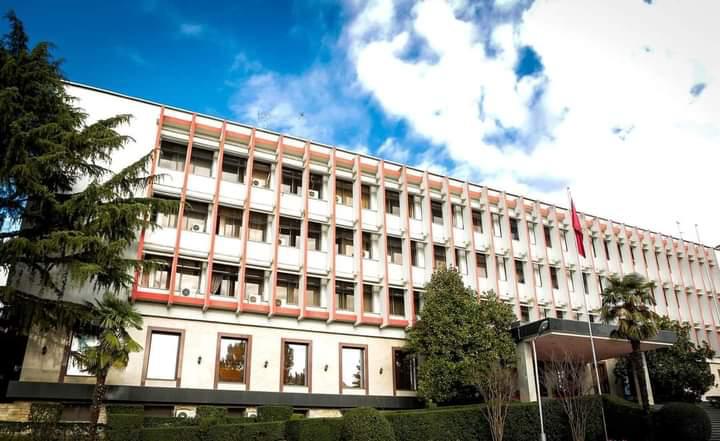
The Albanian government has decided to review several provisions of the “Law on the Diaspora”, making a series of changes regarding the bodies related to it.
In a draft law released for consultation, it is emphasized that the National Agency of the Diaspora will no longer be independent but under the auspices of the Ministry for Europe and Foreign Affairs.
“With the transfer of diaspora issues to the responsibility of the Ministry for Europe and Foreign Affairs, the need arose for the National Agency of the Diaspora to be placed under the auspices of MEFA, not only in carrying out its functions which require a high level of specialization but also in implementing the objectives of this ministry in its diaspora policy,” the accompanying draft statement says.
It also emphasizes that this institutionalization model of the diaspora is a trend being followed by other countries.
“The institutionalization of ‘diaspora diplomacy’ is a trend in other countries with significant diasporas, and the effort to include the diaspora in MEFA demonstrates the importance that should be given to centralizing diaspora issues under a single umbrella, an effort that will facilitate coherent access to diaspora engagement policies, oversight of the implementation of the National Diaspora Strategy, as well as enabling a single communication channel, instead of the multi-directional one we have had so far.”
The draft proposes the establishment of Diaspora Cultural Centers as a new link between Albania and its diaspora.
According to the draft, these centers will be established by the Council of Ministers’ Decision, after the approval of the state where the centers will be opened, and will be under the authority of the Head of the accredited diplomatic mission in the state where the center will be opened.
“Among other things, with the changes presented in this article, aim to regulate the issue of the status of the Head of the Diaspora Cultural Centers, including the regulation even for cases when the Head of the Diaspora Cultural Centers comes from the diaspora, meaning he is a citizen of the state where the Diaspora Cultural Centers is opened, and as such will not have the same treatment in privileges and immunities as a diplomat,” the statement says.




