

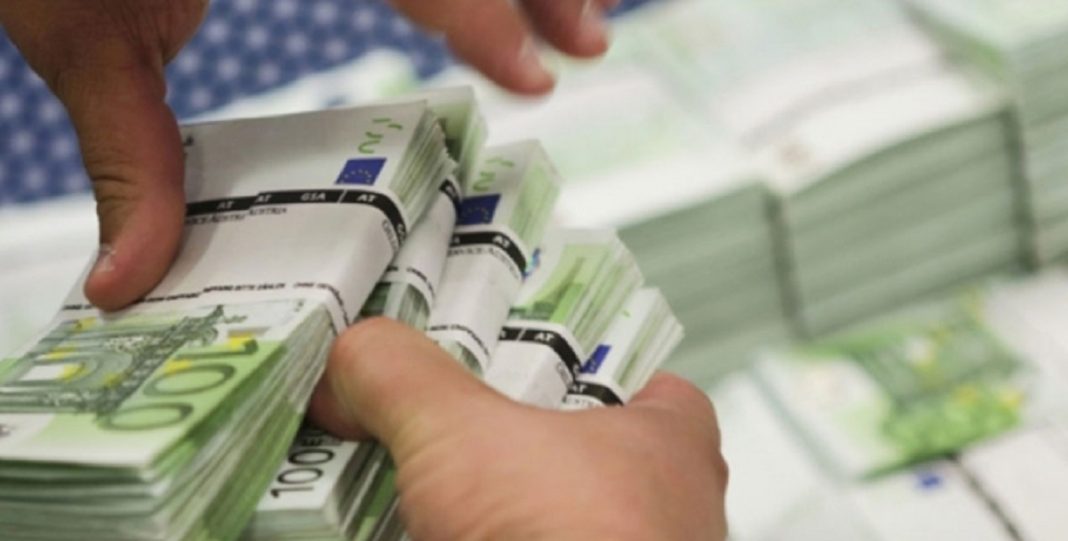
The peak of the tourist season in Albania has begun to impact the value of the European currency.
According to exchange rate trends, the euro has depreciated against the lek during the summer season.
A chart published by the Bank of Albania shows that, since July 1st, one euro has been exchanged at 97 lek, reflecting a steady—albeit minimal—decline in value.
However, when comparing the euro-to-lek exchange rate to the same period last year, the European currency has weakened by over 3 points.
In the first 10 days of July last year, one euro was exchanged at over 100 lek. The Bank of Albania attributes this trend of lek strengthening to the increased circulation of euros brought in by tourism.
Official data show that Albania welcomed 3.4 million foreign nationals in the first few months of the year alone.
Additionally, the strengthening of the lek has been influenced by the rise in foreign investments and remittances sent by Albanian emigrants.
In just the first five months of the year, euro transactions in the Albanian economy reached a total of 2.4 billion euros. These figures confirm the euro’s strong presence in the economy at a time when the currency remains below the 98-lek threshold.
Despite these fluctuations, it appears that the domestic foreign exchange market has entered a new state of normalcy, as strong seasonal variations in the euro-to-lek exchange rate are gradually diminishing.




