

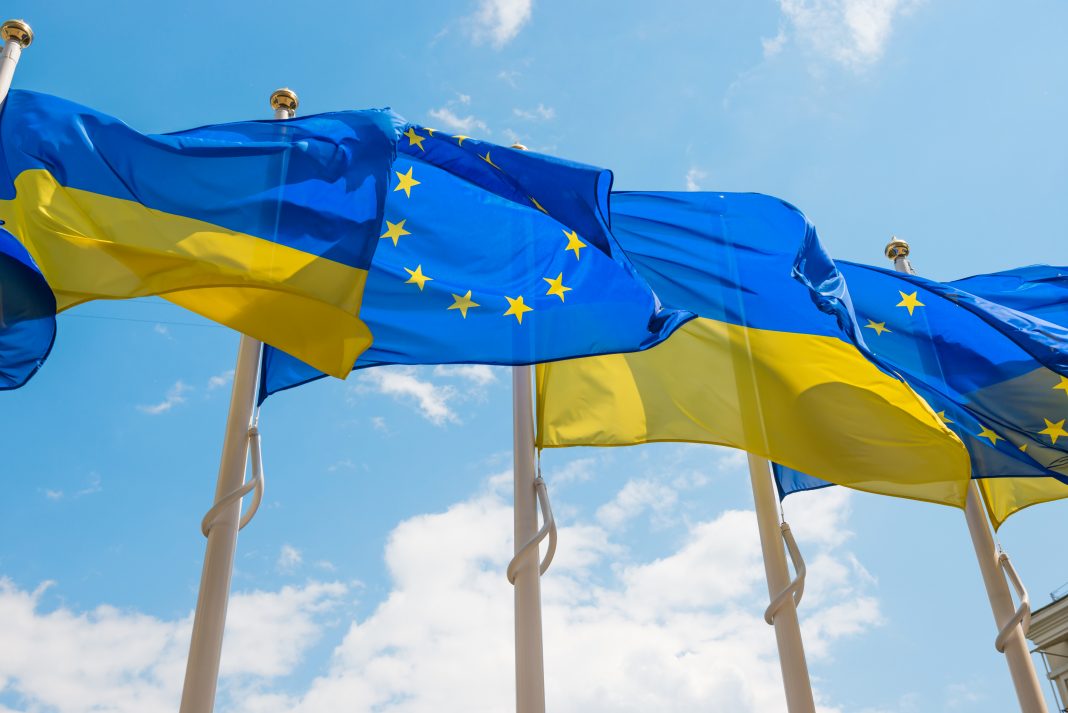
The European Union Council has approved the 11th package of sanctions against Russia for its unwarranted occupation of Ukraine. This package expands on previous restrictions and adds dozens of new entities to the sanctions list.
Through this package, the European Union is attempting to prevent countries and other companies from bypassing previously imposed measures.
The Council published the sanctions after their approval on June 23, stating that the package would ensure that the EU’s sanctions against Russia “are implemented even more effectively, based on the lessons learned from their implementation during the past year”.
The latest sanctions aim to close loopholes so that goods and key technologies for Russia’s military efforts do not reach Russia through countries trading with the EU.
The EU Council stated that it has added 87 new entities to the sanctions list, which the EU claims “directly support Russia’s military and industrial complex in its war against Ukraine”. These companies, according to the European bloc, are registered in China, Uzbekistan, the United Arab Emirates, Syria, and Armenia.
“Systems are being put in place in several countries for monitoring, controlling, and blocking re-exports,” the EU declaration states.
“The abnormal trade figures for certain products/countries are strong evidence that Russia is actively trying to circumvent the sanctions. This requires us to redouble our efforts in tackling circumvention and seek even closer cooperation with our neighbors.”
The new package allows for the implementation of measures that restrict the export of goods and technology to third countries, which can then transfer them to Russia. The new rules enable the EU to exert much more pressure to put an end to the previous practice.
EU officials have long been concerned about an increase in demand for EU products from Russia’s neighbors, who have continued trade relations with Moscow.
The package also includes the suspension of EU broadcasting licenses for five other state-controlled Russian media outlets, bringing the total number of affected media to ten.
Furthermore, the package prohibits entry into EU ports for vessels engaged in the transfer of crude oil or petroleum products by sea if there is reason to suspect that the cargo has Russian origin.




