

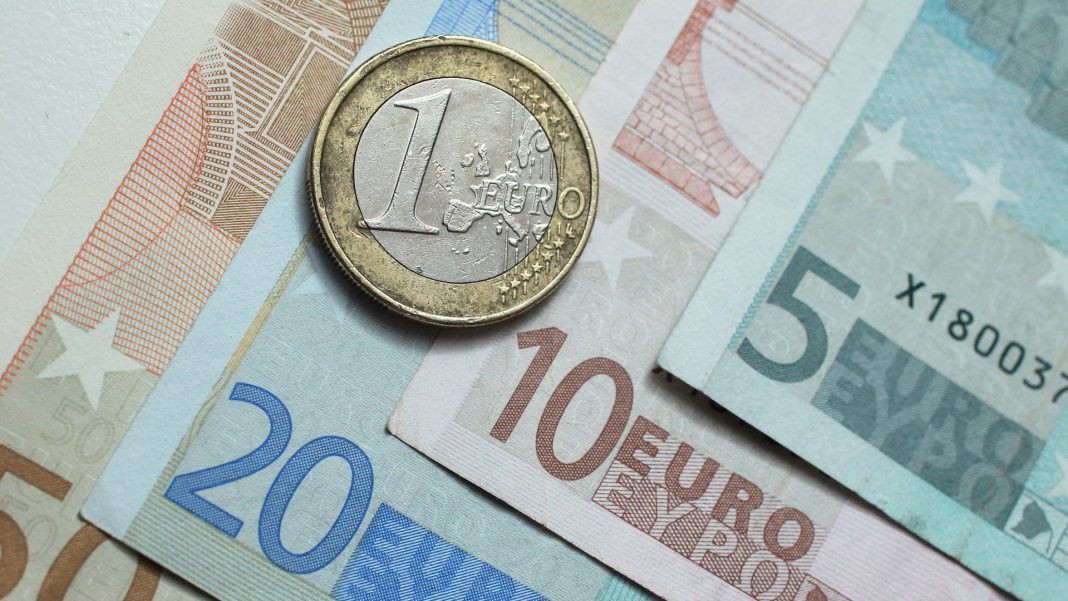
The depreciation of the euro reached a new historic record on Thursday.
According to the official exchange rate of the Bank of Albania, the European currency was traded at 103.6 Albanian lek, the lowest level ever recorded. Compared to the same period a year ago, the euro-lek exchange rate shows a decrease of 11.7%.
During this period, the exchange rate is entering a moment when the summer seasonal effect is stronger than ever, due to the peak of the tourist season. Based on the current data and the expectations of operators, it is expected that 2023 will mark a new record in the number of foreign tourists and tourism-related currency inflows.
This way, the seasonal effect this year may be even stronger than in previous years. However, this year the depreciation of the euro started very early, since April.
In general terms, improvements in the balance of payments in the first quarter of the year support a strengthening trend of the local currency. The main sources of foreign currency inflows that have narrowed the current account deficit are tourism, improvements in the overall balance of trade in services, and remittances.
On the other hand, foreign investments have continued to rise, and their amount significantly exceeds the value of the current account deficit.
The figures for the first quarter showed a slowdown in foreign citizens’ investment in tangible assets, but nevertheless, according to market agents, the second and third quarters of the year have brought an increase in investments from foreign buyers, especially in tourist areas.
It is clear that at least for the summer season, the expectations of exchange agents remain for further strengthening of the lek against the euro. Based on historical data, the peak of the seasonal effect on the exchange rate is usually reached in the early days of August.
However, the appreciation of the Albanian lek this year is also strong against other major currencies. This appreciation is partly influenced by the fall of the domestic euro exchange rate, which is the reference foreign currency in the Albanian economy, and partly by developments in international markets.
The US dollar experienced another sharp decline on Thursday, losing 1.64 points and falling to 92.77 Albanian lek, marking the lowest value since December 2009. Meanwhile, the British pound also experienced a decline of 0.9 points, setting a new historic record at 121.12 Albanian lek.
The strengthening of the lek in the exchange rate against the main trading partners’ currencies makes imports cheaper and theoretically should have an impact on reducing the imported component of inflation. This effect may be more noticeable after autumn. The strengthening of the lek is also favoring borrowers in the local currency, reducing the value of monthly loan repayments expressed in lek, in which the majority of borrowers receive their income.
However, on the other hand, the continuous strengthening of the lek is damaging Albanian exports, reducing the income expressed in lek and making Albanian enterprises less competitive. The ongoing fall of the euro is also reducing the value in lek of Albanians’ savings, which are mostly held in foreign currency.




