

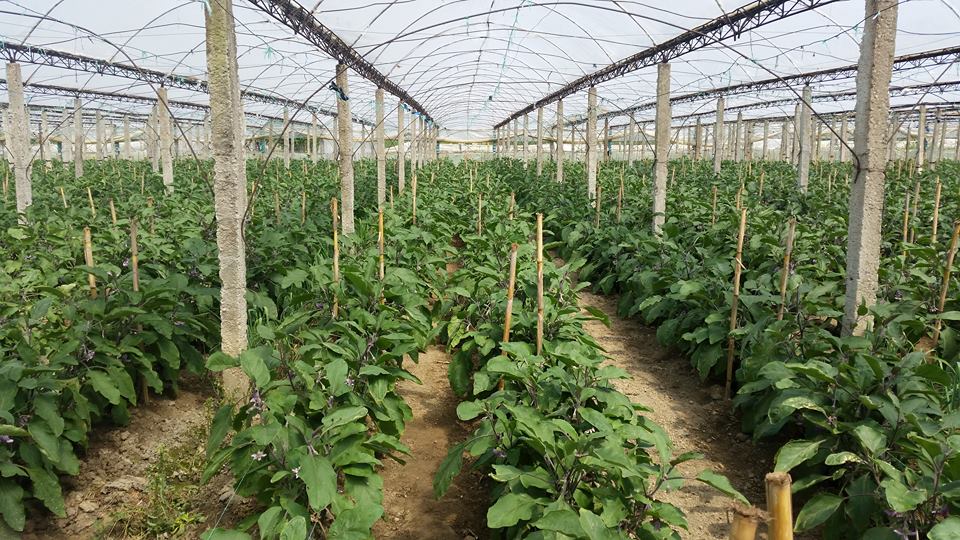
A large group of farmers from the Berat and Fier regions gathered these days to negotiate floor prices with collectors and exporters.
The agricultural season has started yielding the first cereal crops. Now cucumbers are being harvested, but the price set by collectors was less than half the cost, at only 20 lek per kilogram last week.
Exposed to market prices, without financial support from the government, farmers attempted to unite last week to set a floor price for the new production. For two days, producers agreed not to harvest, thereby also blocking exports. This way, they managed to sell at the beginning of this week for over 60 lek per kilogram, nearly double compared to the previous week.
“There’s a market distortion and pricing always to the detriment of the producer. Besides exporters, there are some intermediary collectors. These manage to divide the farmers by offering low prices, as the production cannot wait, it needs to be harvested immediately. Under pressure to sell as soon as possible to avoid deeper losses, farmers accept prices that don’t even cover the costs,” said Mariglen Ziu, an experienced farmer cultivating in greenhouses in the Samatica area of Berat.
He stated that the unity among farmers to negotiate sales prices was a precedent that could be valuable for future instances.
Last year, greenhouse vegetables such as cucumbers and tomatoes were exported at quite high prices, over 100 lek per kilogram, due to a shortage of production in Spain and Italy. Based on the profits of last year, farmers expanded the greenhouse areas this year, but wholesale prices are not the same as before, they are much lower.
“We’ve received information that this year vegetable prices in European markets are lower, but we are at a total loss if we sell a kilogram of cucumber for less than 70 lek,” said the farmer.
Unlike farmers in the region and Europe, Albanian farmers do not benefit from direct government support, but the country has the geographical advantage of starting the production season at least 20 days before other countries in the region, thus enjoying higher export prices during this period. However, internal market structures suffer from oversight and high speculation, causing all anomalies in the agricultural chain to fall on the producer.
Albanian agriculture, in general, suffers from high production costs due to high land fragmentation and lack of mechanization, high input costs, etc.
These costs are not mitigated by government subsidies as in other countries. This trend is making Albanian products non-competitive with imports, while exports have started to decline rapidly. In January 2024, vegetable exports marked a 20% annual decline, while imports in this group increased by 80%.