


A team of Czech scientists has discovered an underground thermal lake in southern Albania, which, according to them, is the largest in the world, and they have named it Neuron Lake, after the foundation that financed the expedition.
Within the valleys of the mountainous border areas between Greece and Albania, Czech scientists have been exploring the complex underground landscape for several years.
In the Vromoneri region in Leskovik, on the Albanian side of the border, they encountered a vast cave system in 2021, which they have since been mapping in detail.

This system contains numerous hot springs that release high columns of steam, and tracing the source of the steam led them to discover a 100-meter-deep abyss, which they named Atmos.
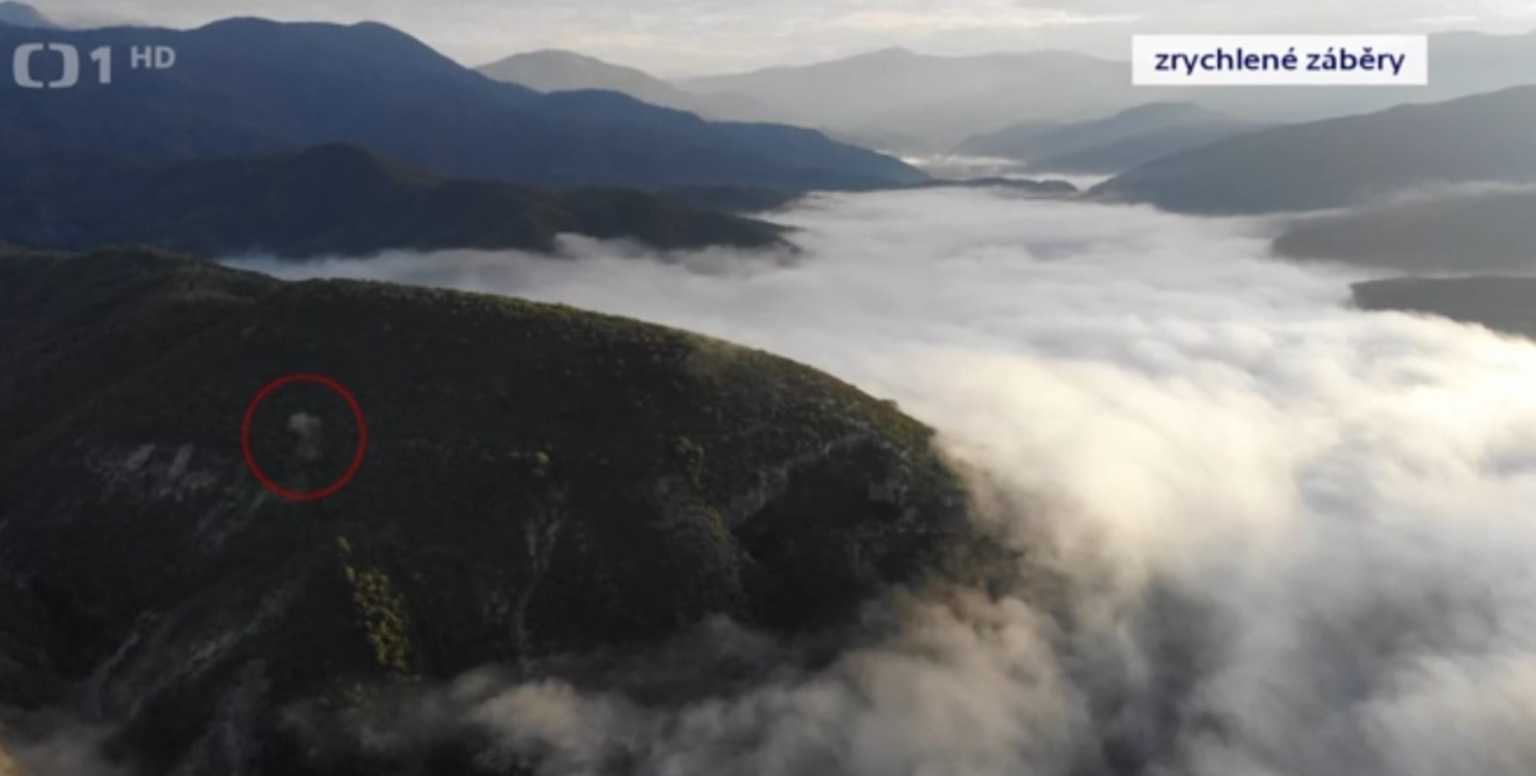
At the bottom of this abyss, the team has now confirmed the discovery of the world’s largest underground thermal lake.
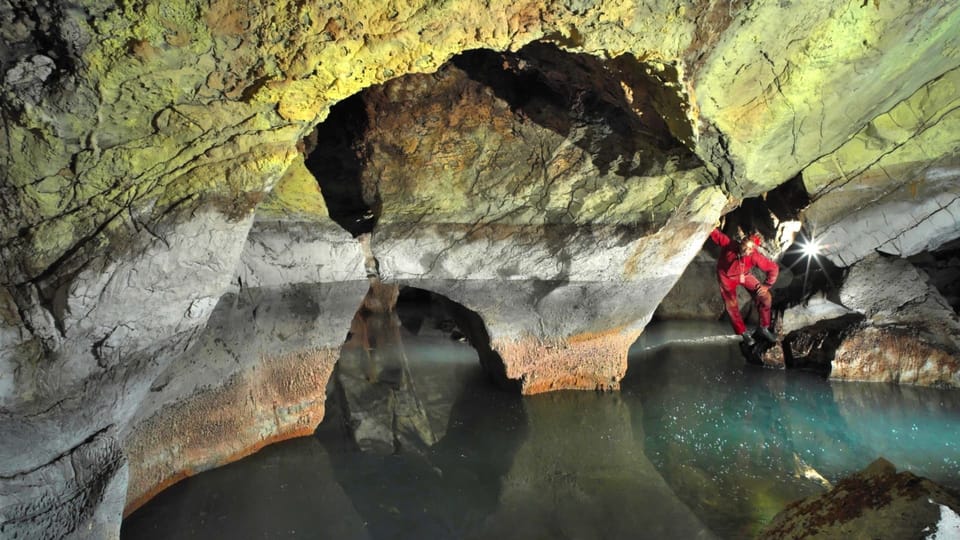
With a length of 138 meters, a width of 42 meters, and a perimeter of 345 meters, it holds 8,335 cubic meters of hot water.
For a Czech comparison, the size of the lake chamber is three times larger than the main hall of the National Theatre in Prague.
Mapping and Technology Used in the Discovery
The mapping of the cave system and the lake’s discovery required specialized technical equipment, which was provided by the Neuron Foundation.
The thermal springs of Vromoneri are located near the village of Kuqes in the Leskovik municipality, in the Sarandaporos Valley, a tributary of the Vjosa River, 430 meters above sea level. These thermal springs emerge at the base of a rock formation with temperatures ranging from 40 to 50°C, and contain sulfur compounds. They hold scientific (geological, hydrological), therapeutic, and touristic value and are accessible via the Leskovik-Kuqes rural road.
The Czech scientific funding organization provided nearly one million Czech crowns for the expedition, donated by private sponsors, and now, the Albanian underground lake has been officially named Neuron, in honor of the foundation.

Richard Bouda Describes the Discovery Process
Richard Bouda, a photographer and speleologist, described how the discovery was made:
“During the initial exploration, we created a basic map using our available equipment. We immediately realized that we had discovered something truly special. Thanks to the Neuron Foundation, we were able to acquire a mobile LIDAR scanner, allowing us to measure the entire cave and lake area accurately. We will also collaborate with hydrologists who will measure the underwater section of the lake using sonar technology.”
The latest technology was used by the Czech team; GeoSlam, a type of 3D scanning technology, has created precise models of the cave system.
A Unique Geological Process
The process through which the cave containing the lake was formed is also unusual.
The mineral water in the lake is saturated with hydrogen sulfide, which, when exposed to air, oxidizes and produces sulfuric acid. This continuously dissolves the limestone, converting it into soft gypsum and forming new underground spaces.
Future Research and Hydrological Impact

The Czech team’s work in Albania will contribute to a better understanding of this rare type of cave formation, and there is still more research to be done, as Richard Bouda explains:
“Thanks to the scientists we work with, we now know that the surrounding springs are fed by water from the lake. We believe this discovery can also contribute to protecting the entire area and to a better understanding of its hydrology because, until today, no one knows exactly how these underground waters are connected to the surface,” said Richard Bouda.