

The International Monetary Fund (IMF) has communicated that Kosovo continues to witness consistent growth in fiscal revenues, a sustained decline in inflation, and a narrowing current account deficit.
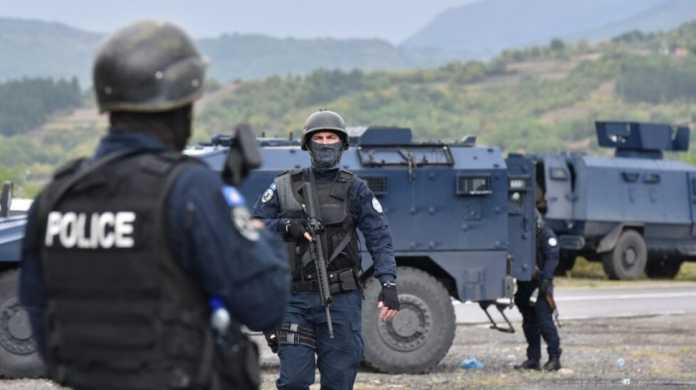
Nonetheless, the IMF has underscored that the lingering tensions in northern Kosovo could potentially exacerbate existing policy challenges, constituting ongoing risks.
This statement was released through an official press release subsequent to a multi-day visit led by Gabriel Di Bella, the Head of the IMF’s Kosovo Division.
“Steady expansion of fiscal revenues, coupled with the proactive implementation of the public investment program and the prudent maintenance of fiscal reserves, are encouraging signs. Yet, the heightened global instability and the unresolved tensions in the northern part of Kosovo remain as persistent threats that could magnify the complexities of policy issues,” as articulated by Di Bella.
Furthermore, recent developments in the northern region of Kosovo have had a direct influence on donor engagement.
“Recent occurrences in the four northern municipalities have prompted temporary and reversible measures from several long-standing donors and conventional partners, curtailing nascent economic and financial collaborations. Although these measures are projected to have limited short-term economic ramifications, their prolonged imposition could potentially hinder foreign direct investments and broader economic advancement.”
It has also come to light that during their visit, the IMF delegation engaged in discussions encompassing contemporary macroeconomic trends, policy orientations, as well as advancements aligned with the budget framework for the forthcoming year, 2024.
“The evaluation team also commended the advancements made in fulfilling pivotal obligations outlined within programs endorsed by the IMF. The undertakings within the scope of the SBA and RSF initiatives will be subject to official appraisal during the inaugural review mission, scheduled for the upcoming October.”
Throughout this visit, the IMF contingent convened with President Vjosa Osmani, Prime Minister Albin Kurti, Deputy Prime Minister Besnik Bislimi, Acting Governor of the Central Bank of Kosovo Bashkim Nurboja, Minister of Finance, Labor, and Transfers Hekuran Murati, Minister of Economy Artane Rizvanolli, and other senior governmental dignitaries.
Additionally, the IMF team engaged with primary stakeholders within the energy sector, representatives hailing from the private domain, international community emissaries, and developmental collaborators.




