

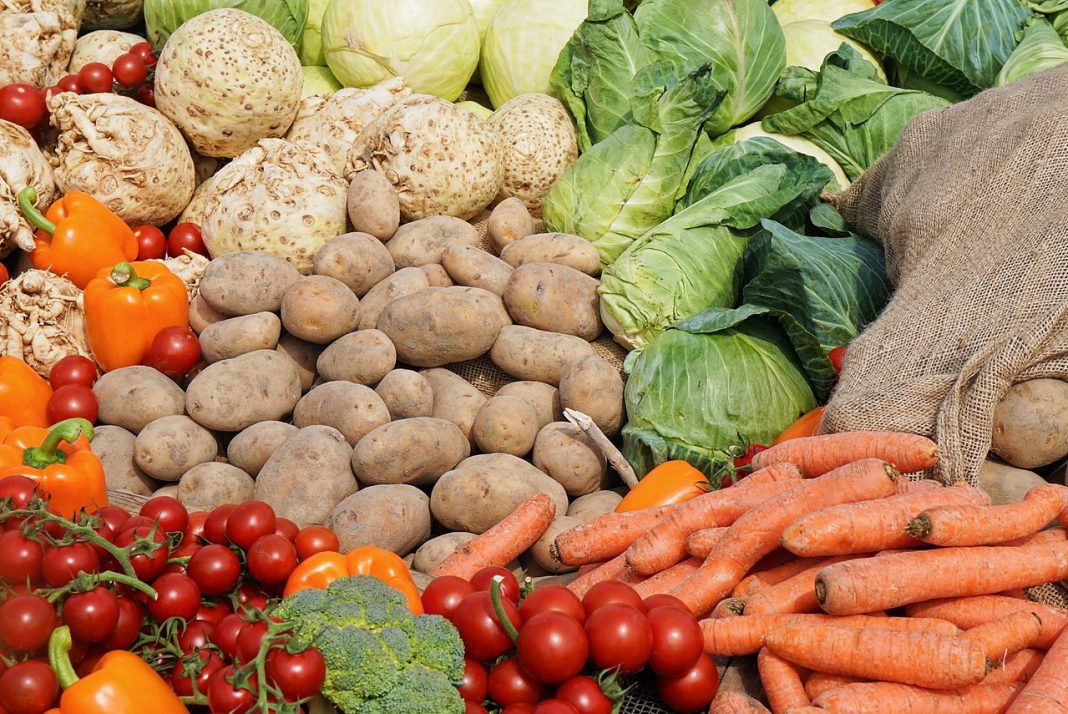
Imports of fruits and vegetables increased by 63% in the January-February 2024 period compared to the same period a year earlier, while exports of this group are growing at much slower rates in Albania.
Official data on foreign trade indicate that the Albanian economy is becoming increasingly dependent on imports, reflecting the damage caused by the depreciation of the euro in the production sector. These effects have also extended to the country’s agricultural sector, which is lagging behind in utilizing the climate and geographic position that create conditions for higher-quality production than neighboring countries.
In the first quarter of 2023, imports and exports of vegetables were the same quantity, but this ratio was overturned this year, as flows from abroad experienced rapid growth.
The largest increase was in the import of vegetables, which was 79% higher than in the first quarter of 2023, while the import of fruits was 49% higher in the first quarter of 2024 than the same period last year.
The increase in imports indicates that the demand being driven by tourism is not boosting domestic production, causing a portion of the money left by tourists in the country to again go abroad for food imports. If the country’s economy does not link production chains with tourism, the profits that should remain in the country are returning abroad for the purchase of goods needed for domestic consumption.
Trade data show that all goods related to tourist services have increased significantly this early year, as the country prepares for a new record of visitors.
Agriculture could be the biggest beneficiary of tourism if policies are coordinated and financial support for the sector is increased. But this is not happening. Depopulation in rural areas has reduced plantings in small plots for self-consumption. Population decline in villages, especially in the north and south of the country, has turned into consumers of markets.
From an observation in minority markets, more than 80% of vegetables, fruits, and vegetables on the shelves are imported. Potatoes and beans are coming from Egypt and Turkey, vegetables and fruits from Greece, wheat and grains from Serbia, Ukraine, North Macedonia, etc.
Food import channels have shifted and intensified, further discouraging farmers and breeders from practicing their profession. The depopulation of villages is reducing the areas planted in fields in some crops, and, on the other hand, tourism is encouraging an increase in demand for food products.
To meet food needs, the country is turning to imports, which are growing rapidly lately. For the entire year of 2023, food imports in quantity increased by 10% compared to 2022, the highest expansion in the last two decades.