

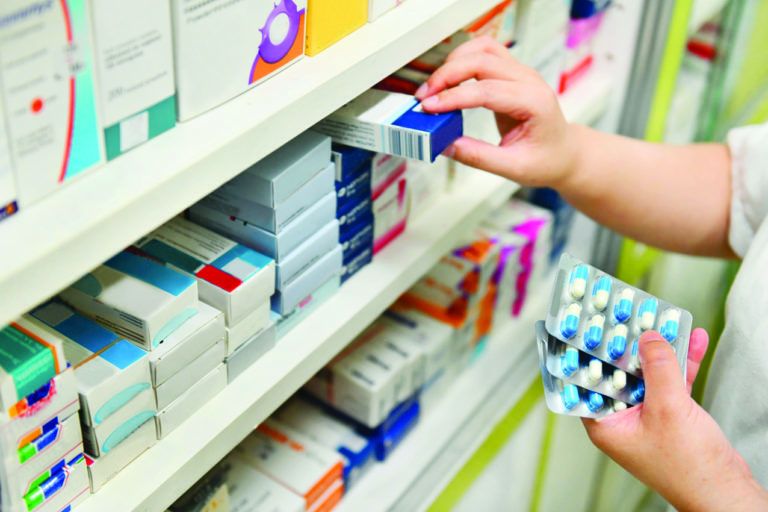
Imports of pharmaceutical products in Albania saw a rapid increase last year of about 14%, following a slight decline after the pandemic.
Data from the Institute of Statistics (INSTAT) indicate that last year, 6,753 tons of medicines were imported compared to 5,917 tons in 2022, but there is a strong upward trend in imports from Turkey.
Last year, 1,203 tons of pharmaceutical products were imported from this country, accounting for 17% of the total imports of these products. Before the pandemic in 2019, imports from Turkey accounted for only 8% of the total imports of pharmaceutical products.
Pharmaceutical market experts claim that low reimbursement funds have led drug consumption towards cheaper alternatives, mainly coming from Turkey, while representations of multinational companies have withdrawn from Albania. Of the 13 such representations that were there a few years ago, now there are only three.
In 2023, Albania imported pharmaceutical products worth 26.8 billion lek (255.7 million euros), but only about 12 billion lek or 44% were covered by the reimbursement fund made available by the Albanian Government.
Detailed data show that Albanians have low access to key drugs treating cardiovascular diseases, oncology, autoimmune diseases, neurological disorders, etc. Data from the Albanian Pharmaceutical Representatives Association show that new drugs with high sales trends in European and regional markets have not yet entered the Albanian market.
They are expensive and unaffordable for patients because the state does not reimburse them. For example, drugs such as Apixaban, Pembrolizumab that treat autoimmune diseases are not available in Albania.
The Albanian market is developing rapidly, where traditional generic drugs and off-patent drugs represent 76%, while specialized hospital treatment and innovative therapy account for only 24%.
Representatives of the pharmaceutical market say that the population’s needs are much higher than current supplies. But global experience has shown that public financing and their proper orientation lead health systems forward and significantly improve health services for the population.
From 2019 to 2024, the budget of the Compulsory Healthcare Insurance Fund (the structure that finances public health services) has increased by about 40%, while the voice of drug reimbursement only by 20%, according to official data.
In 2019, the reimbursement fund accounted for 24% of the total Compulsory Healthcare Insurance Fund expenditure, while in 2024 only 20.6%.




