

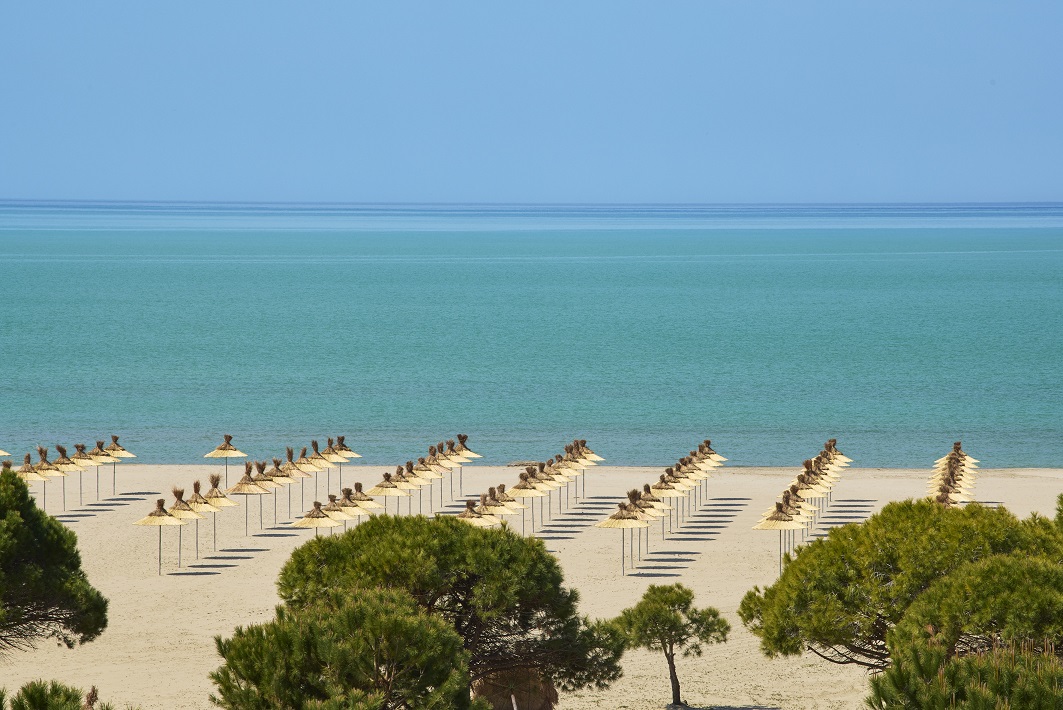
After the summer boom, the discovery and development of Albania continues. Because there is more to Albania than just the sea that bathes its 400 kilometers of coastline, which especially during July and August attracted many tourists, including Italians, seeking budget-friendly vacations, especially along the Ionian coast in the southern part of the country. The Land of Eagles has many other aces up its sleeve. Cities, towns, castles, archaeological sites, and museums complement the picture, making Albania one of the most intriguing emerging destinations in European and global tourism. It has garnered attention from prominent publications such as The Times and The Guardian.
We, from Il Giornale, ventured to the central-northern part of the country to study and understand the “Albania phenomenon”.
A redemption story: from regime to economic and touristic growth
Albania is experiencing a kind of redemption when considering the dark period from 1976 to 1991 when it was isolated and marked by one of the harshest communist dictatorships. It was later mistreated by neighboring Balkan countries and often disillusioned by the international community.
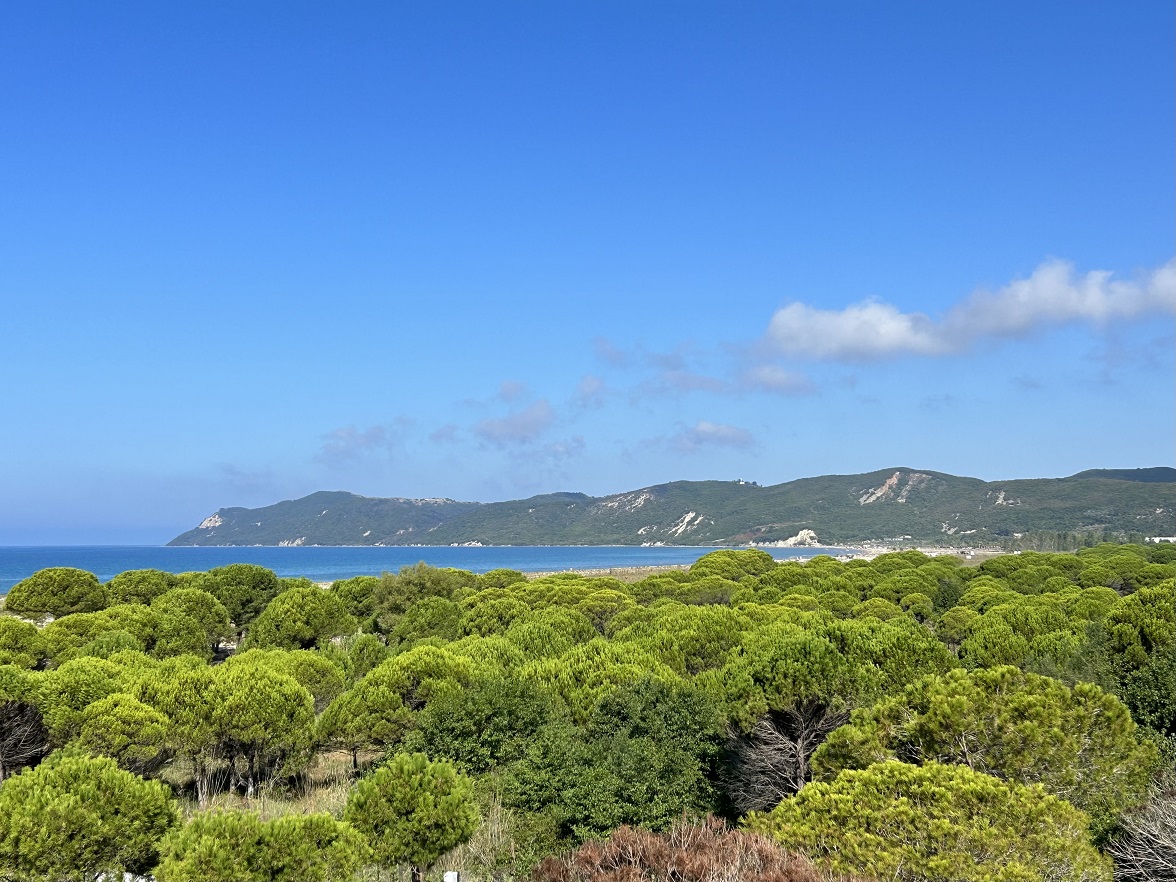
Only recently has it managed to rise and embark on a path of openness, development, and full democracy.
With an estimated GDP growth of +2.2% in 2023 and +3.4% in 2024, and an ever-improving level of services, connections, and hotels, modern-day Albania revolves around Tirana, a city one must pass through as it’s the nation’s sole airport, at least for now. In Vlora, in the south, construction began in 2021 to inaugurate the second national airport in 2027, and it’s also well-served by several low-cost airlines, primarily Wizz Air, offering a flight time of just over two hours from Italy to the Albanian capital. Tirana is the primary economic, commercial, and cultural hub of the country.
Tirana: a city in transition
Tirana, home to a million inhabitants (with an average monthly salary of 500 euros), is a city in transition. A noteworthy site to visit is Scanderbeg Square, the heart of the capital. Renovated in 2017, it’s a 24,000-square-meter rectangle featuring a mosaic of natural stones from historically Albanian territories. Completely pedestrianized, it combines benches and green spaces, and in 2018, it was awarded the European Prize for Urban Public Space. At its center stands the equestrian bronze monument of Scanderbeg, the national hero. Surrounding the square are the city’s key historical buildings, including the Et’hem Bey Mosque, the Opera, the Palace of Culture, and the National Historical Museum. To fully appreciate the square, climb to the top of the Clock Tower. Additionally, don’t miss the “Pazari i Ri” bazaar, considered one of Europe’s most beautiful markets thanks to its steel and glass structure.
Durrës and surroundings
From Tirana, you can head to Durrës, a prime commercial port surrounded by notable hotel structures.
Among the highlights is its strategic location for exploring the more typical central-northern Albania, characterized by unspoiled coastlines with cliffs and sandy beaches such as Capo Rodoni, a place where there’s still very little development. It’s a region filled with citadels where the past intertwines with the present, featuring medieval fortresses, monasteries, and archaeological sites. Starting with the first capital, Kruja, which preserves the remains, albeit few, of the ancient castle, the National Museum dedicated to Scanderbeg, and a bazaar-style Ottoman-influenced village.
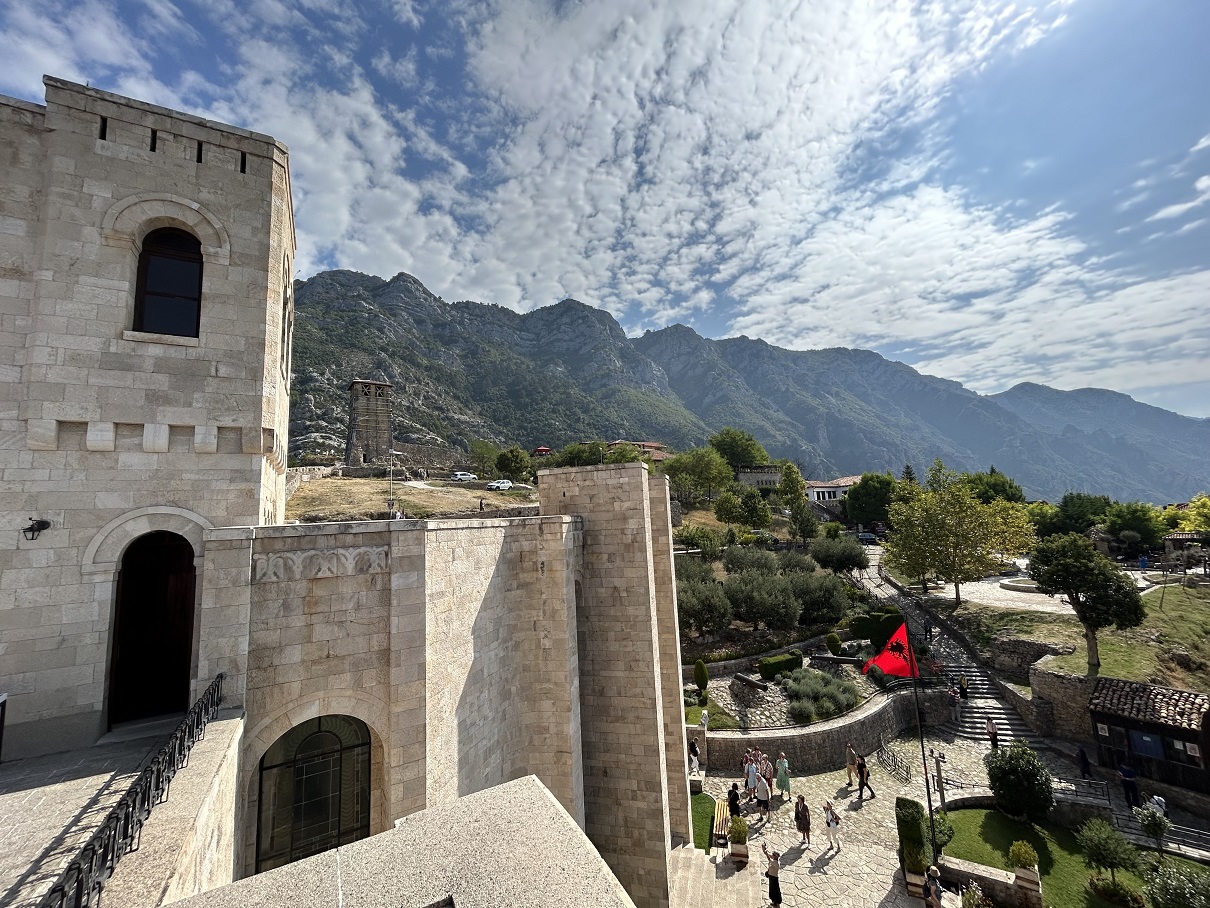
Another castle, much better preserved, is found in Berat, the city of windows and the Onufri Iconographic Museum.

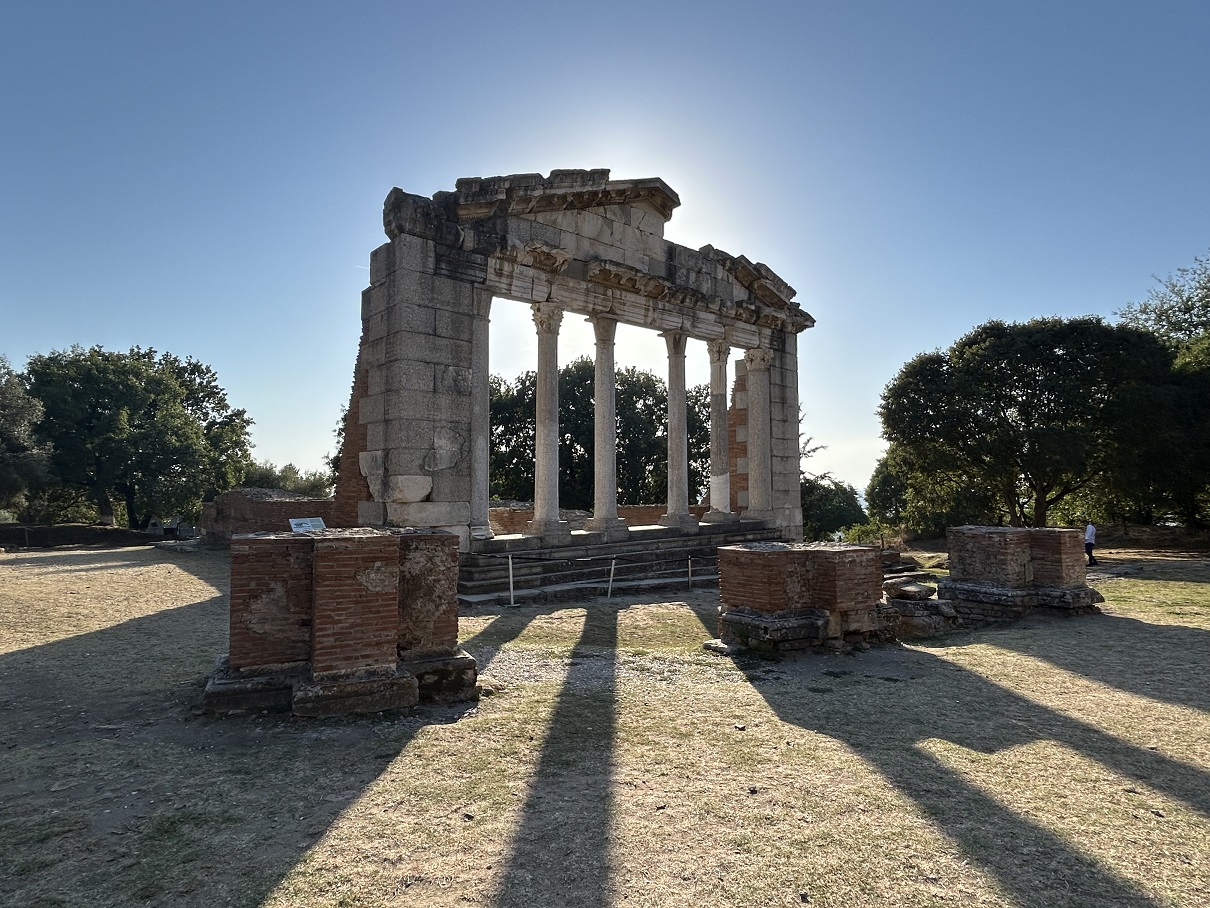
While Apollonia lacks a castle, it houses a temple and an odeon. This archaeological site dates back to 588 BC and, aside from concealing the unexpected and charming Monastery of Santa Maria from the 4th century, it fascinated Cicero. In his Philippics, he described Apollonia as magna urbs et gravis, a great and important city.
You can read the original article here.




