
An in-depth investigation by the French newspaper Le Monde reveals how the Balkan mafia, including Albanian criminal groups, has played a significant role in strengthening and expanding one of the most important international cocaine trafficking corridors, known as “Highway 10.”
The Maritime Route Reshaping Drug Trafficking
“Highway 10” is the nickname given to a maritime route that follows the 10th parallel across the Atlantic Ocean. It connects South America—where cocaine is produced—to the coasts of West Africa. From there, the drug is trafficked onward to European markets.
According to the investigation, since the late 2010s traffickers have significantly increased their presence along this route, considering it less monitored by international authorities. Currently, about one-third of the cocaine entering Europe is believed to pass through this African corridor.
Experts warn that if this trend continues and control mechanisms are not strengthened, the African corridor could soon become the primary drug trafficking route into Europe.
The Role of Balkan Networks
Based on court documents and communications obtained through French investigations, criminal networks from the Balkans have been among the most active actors in this strategic shift in trafficking routes. Particular mention is made of the Montenegrin Kavač clan, which has built strong ties with producers and intermediaries in Latin America, as well as collaborators in West Africa.
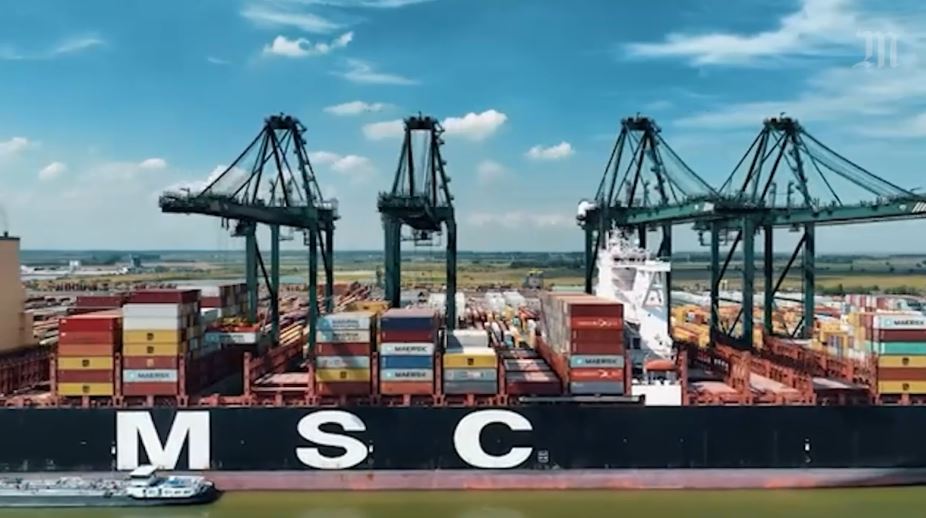
The investigation highlights that these networks cooperate closely with other Balkan groups, including Albanian elements, creating flexible structures operating simultaneously across several continents. They use shell companies, commercial shipping containers, and international logistics networks to conceal drug shipments among legitimate goods.
A key part of the investigation is based on encrypted communications between members of Balkan criminal networks on a secure messaging application that was decrypted by French police in 2021. These messages shed light on how shipments were organized, how local officials were corrupted, and how weaknesses in international trade systems were exploited.
Documents indicate that West Africa has become a strategic transit platform, where drugs are temporarily stored, divided into smaller shipments, and then re-exported to European ports.
According to the analysis published by Le Monde, the growing influence of the Balkan mafia—including Albanian networks—within this new trafficking corridor demonstrates their ability to adapt to law enforcement pressure and relocate operations to less controlled areas.
If stronger coordination measures are not implemented among Latin American, African, and European countries, “Highway 10” risks consolidating itself as the main artery supplying cocaine to the European market, further strengthening the power and global influence of Balkan criminal organizations.