

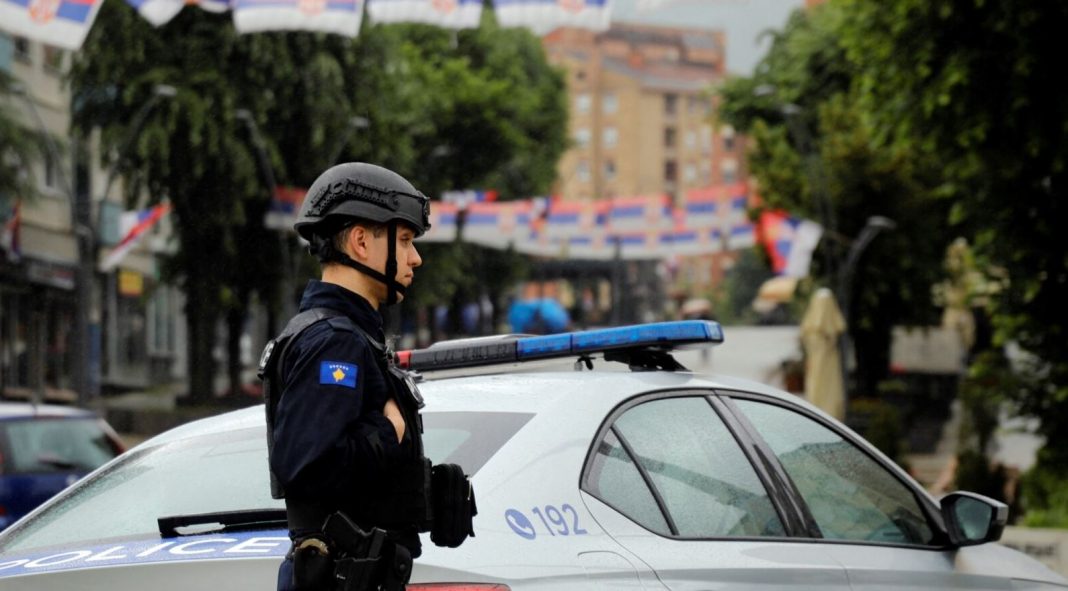
The security situation in Kosovo remains “highly unstable”, despite some calm following the significant violence in May, according to Angelo Michele Ristuccia, the commander of NATO forces in Kosovo.
Tensions flared up in northern Kosovo, an area predominantly inhabited by Serbs, at the end of May when local residents protested against newly elected Albanian leaders.
The April elections saw widespread boycotts by both the local population and Serbian parties in Kosovo, resulting in a meager 3.5 percent voter turnout.
NATO reported over 90 injuries among their peacekeeping force, KFOR, during confrontations with Serbian protesters in the north, with around 50 protesters also sustaining injuries.
Major Angelo Michele Ristuccia, an Italian officer heading KFOR in Kosovo, pointed out that political differences are still causing high tensions between the parties involved. He stated that while the situation has calmed since the events of May 20, it remains inherently unstable due to numerous unresolved issues.
Ristuccia emphasized to journalists in NATO headquarters in Brussel, that the primary ailment affecting Kosovo is a profound lack of trust between the opposing parties, making it clear that military intervention is not a viable solution. Instead, he stressed the necessity for a political resolution.
In July, Kosovo and the European Union reached an agreement on steps to de-escalate the situation, including reducing the police presence in northern municipalities and scheduling new elections. The international community, led by the United States and the European Union, had called upon Kosovo and Serbia to ease tensions and return to dialogue for the normalization of relations, a process mediated by the European Union.
Subsequently, the EU imposed punitive measures against Kosovo for its failure to meet certain demands. Meanwhile, the United States announced that Pristina would not participate in NATO’s military exercises, Defender Europe 23.
Kosovo has consented to reorganizing elections in the north and has issued administrative guidelines allowing citizens to initiate the removal of their municipal mayors. This guideline, expected to take effect this month, permits citizens in the four northern municipalities of Kosovo to begin a petition for the removal of their current mayors.
If a petition initiator collects 20 percent of voter signatures, the Central Election Commission will verify the signatures, followed by a vote in the municipality or municipalities where the petition was initiated.
To remove a mayor, a majority of 50 percent plus one vote from the total number of voters in the respective municipality is required.
SUGGESTED READING




