

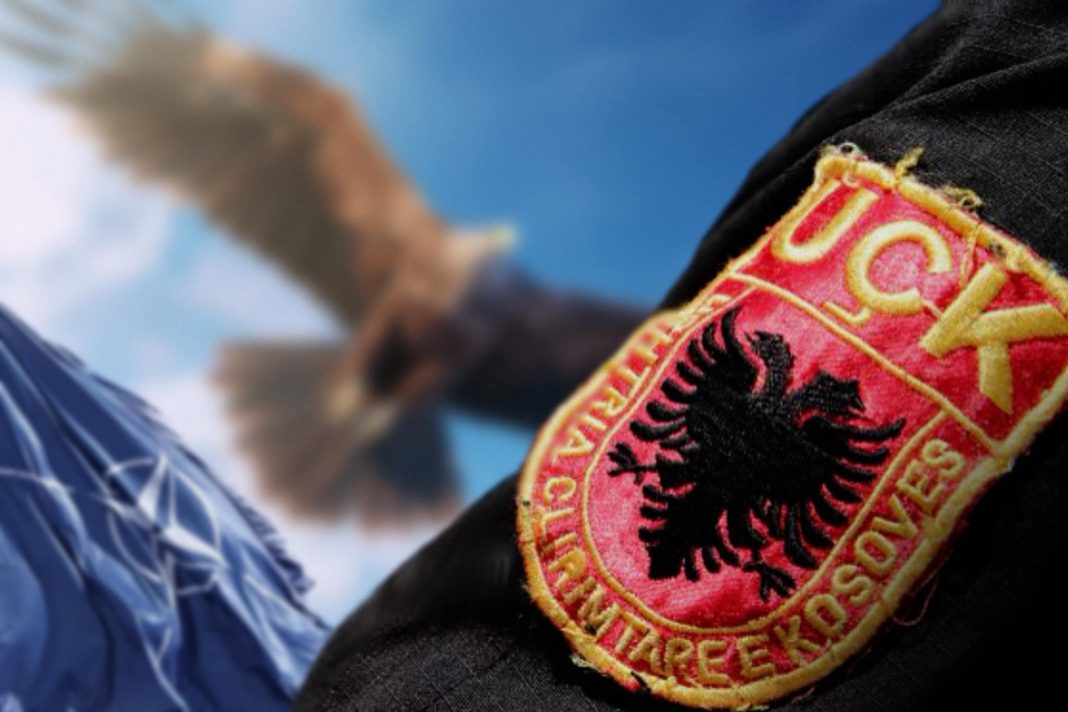
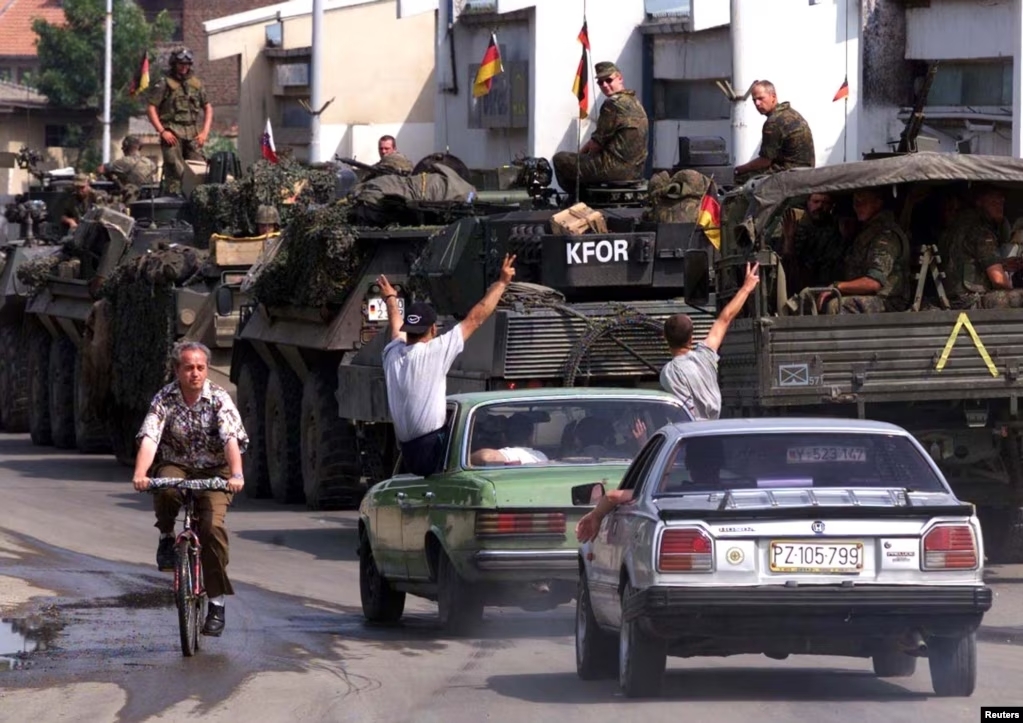
Kosovo marks today the 24th anniversary of the Day of Freedom or Liberation of Kosovo, when NATO peacekeeping troops entered Kosovo following the air campaign against Serbian military and police forces in Kosovo and Serbia.
The country’s President Vjosa Osmani, accompanied by the Speaker of the Parliament Glauk Konjufca and Prime Minister Albin Kurti, laid flower wreaths at several locations in Pristina throughout the day, honoring political figures, activists, and fallen NATO soldiers in Kosovo.
Osmani expressed gratitude to all those who contributed to nation-building.
“We are grateful, and we reiterate this gratitude on behalf of all the citizens of Kosovo to the state visionaries, to President [Ibrahim] Rugova, to all the activists who gave everything to establish these foundations, to the legendary commander Adem Jashari and all the soldiers of the Kosovo Liberation Army who gave their lives for our freedom, as well as eternal gratitude to all our friends who helped us achieve freedom, independence, and democracy,” the President stated.
Konjufca, recalling the sacrifices of the people of Kosovo for freedom, said that Kosovo’s liberation is “the most prominent example of successful cooperation between the local factor and the international community.”
“This [the liberation of Kosovo] could not have been achieved without our esteemed international friends, without the countries that assisted in the liberation of Kosovo, but it happened precisely because our cause was very just. All we wanted was to end the century-long Serbian occupation in Kosovo,” said the Speaker of Parliament.
Prime Minister Kurti also expressed gratitude to all those who sacrificed for the state of Kosovo, stating, “Today, we commemorate and celebrate the 24th anniversary of Kosovo’s liberation.”
“The NATO military intervention halted Serbia’s genocide against our people, and we will forever be thankful and grateful,” expressed Kurti.
The 78-day bombing campaign ended on June 10th, 1999, with the adoption of UN Security Council Resolution 1244, which led to the surrender of Serbia and the withdrawal of its forces from Kosovo.
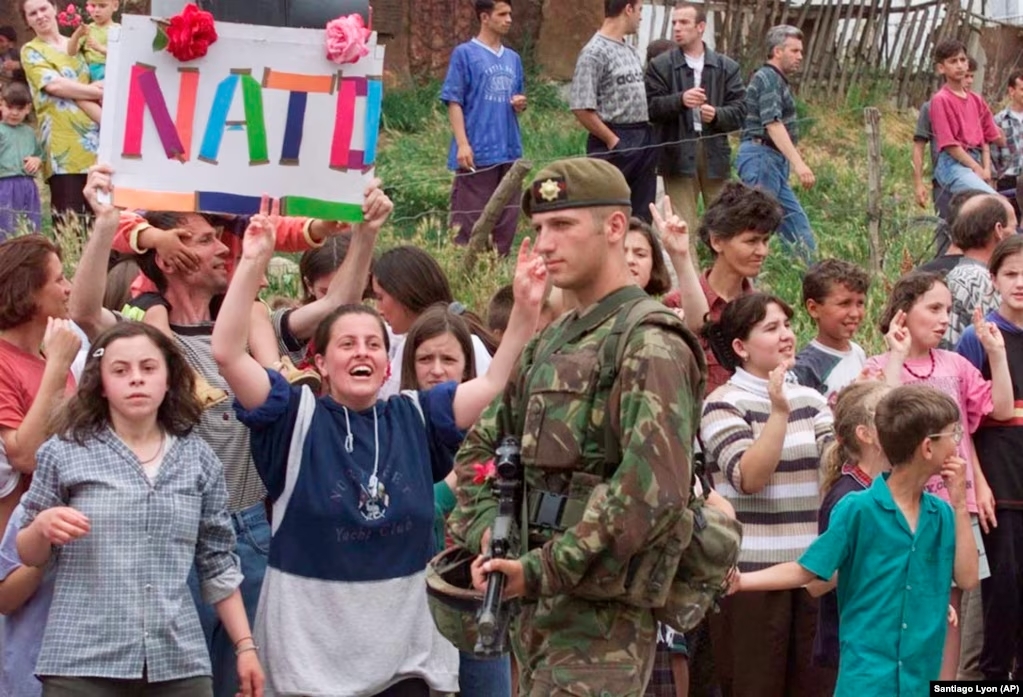
UN Security Council Resolution 1244 established the United Nations Interim Administration Mission in Kosovo (UNMIK) to administer the war-torn region during a transitional period until the development of local capacities and the resolution of Kosovo’s status.
The resolution also provided the legal basis for the deployment of 50,000 NATO peacekeeping troops to ensure peace in Kosovo, making it the largest peacekeeping mission of the North Atlantic Alliance.
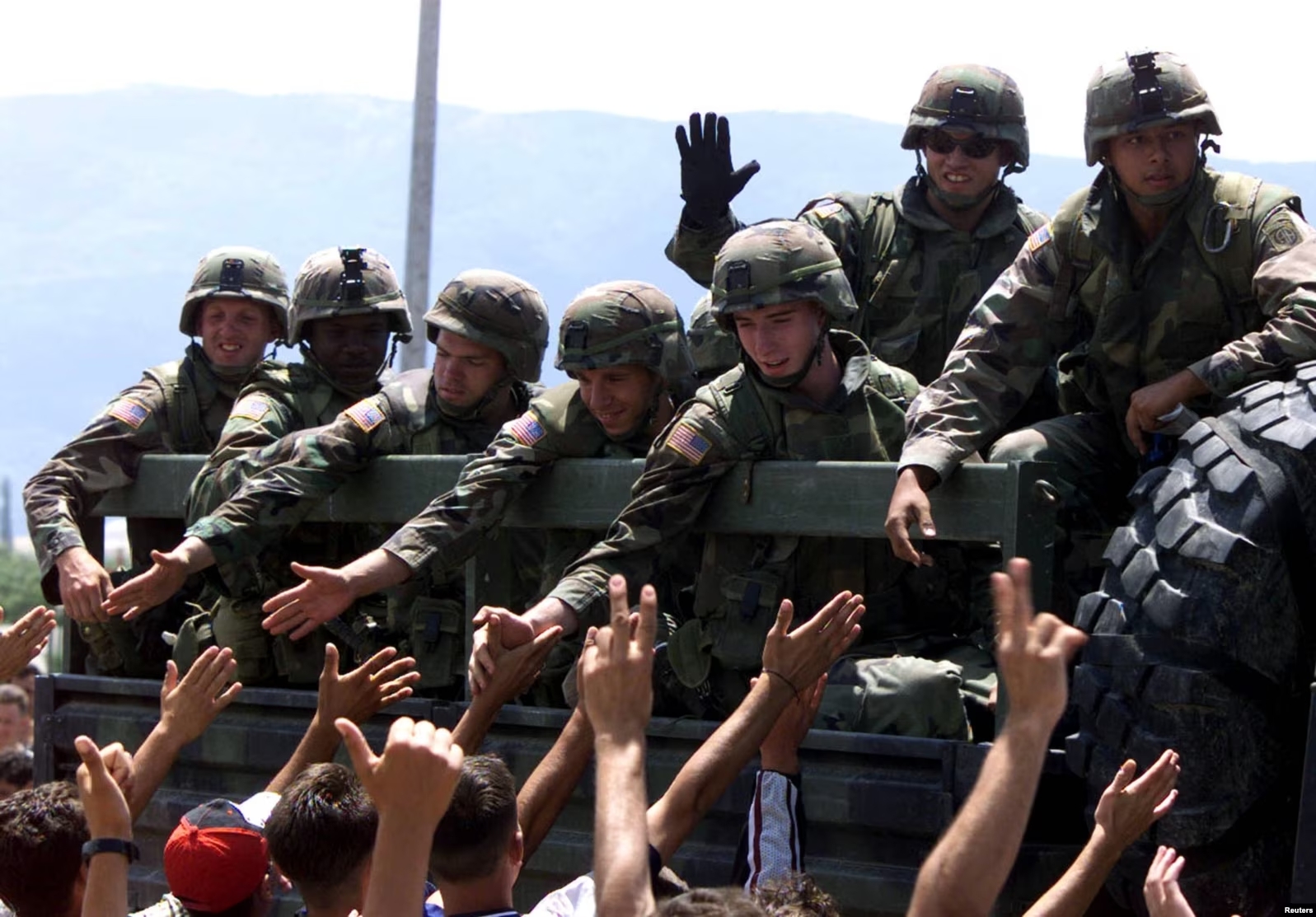
The deployment of peacekeeping troops was preceded by the Kumanovo Technical Agreement, which stipulated the withdrawal of all Serbian forces from Kosovo and the entry of NATO international forces into Kosovo. The complete withdrawal of Serbian forces was completed on June 20th, 1999.
The first troops to enter Kosovo in 1999 were members of the Norwegian army. They were part of the peacekeeping forces from 36 countries, including 30,000 from NATO member states, who arrived in Kosovo.
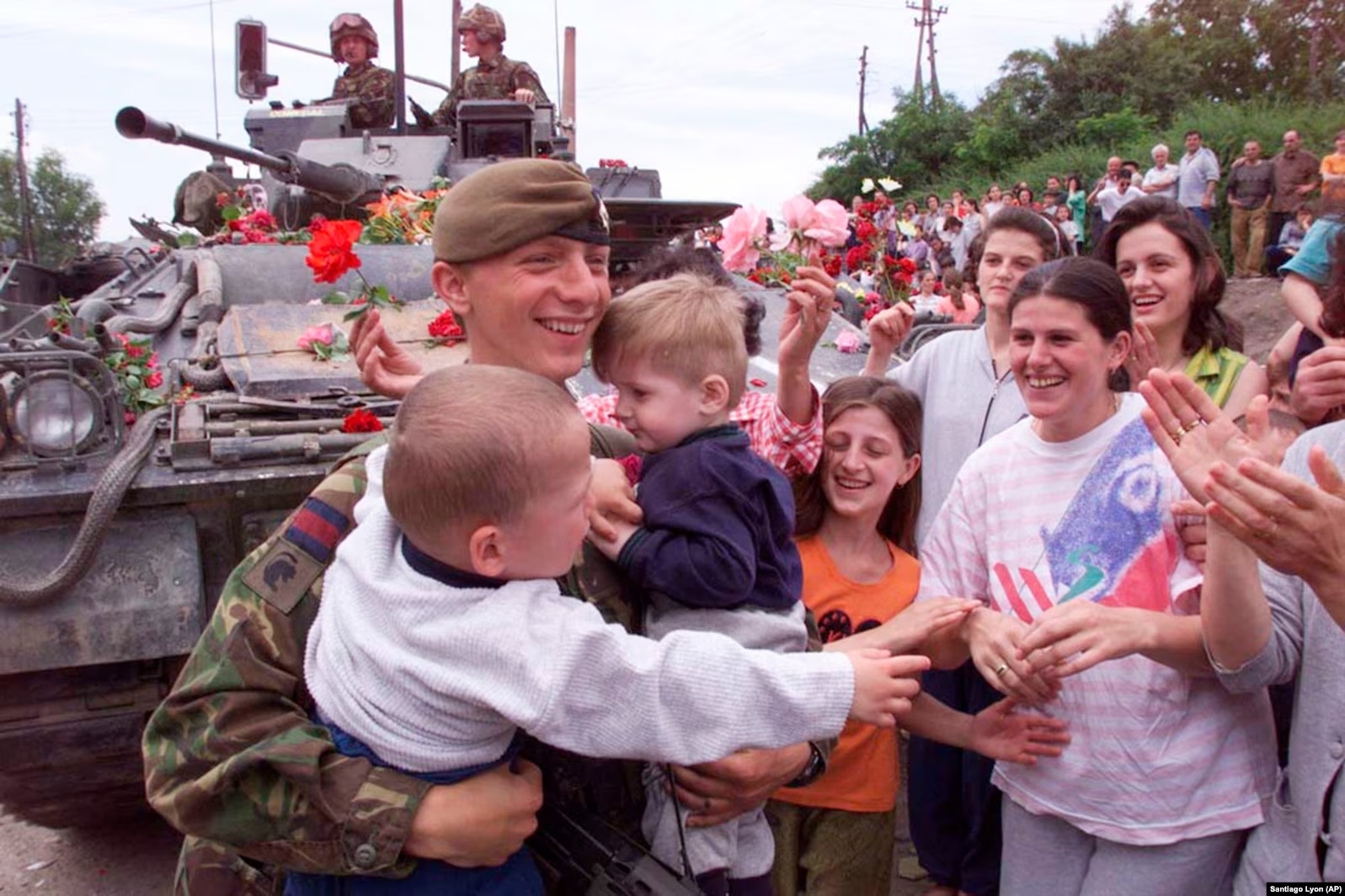
The international troops’ presence facilitated the return of over 800,000 refugees, internally displaced persons, and those expelled from their homes, who had sought refuge in camps in Albania and North Macedonia.
NATO’s military intervention followed nearly a decade of international diplomatic efforts to halt the wars in the former Yugoslavia. In Kosovo, it was preceded by the Rambouillet and Paris conferences, where Serbia rejected the compromise to cease the violence by its forces in Kosovo.
During the war of 1998-1999, more than 13,000 people were killed, and over 6,000 remain missing.
Hundreds of killed ethnic Albanians from Kosovo have been found in mass graves in Serbia. Their bodies were transported by Serbian forces in an attempt to conceal the crimes.
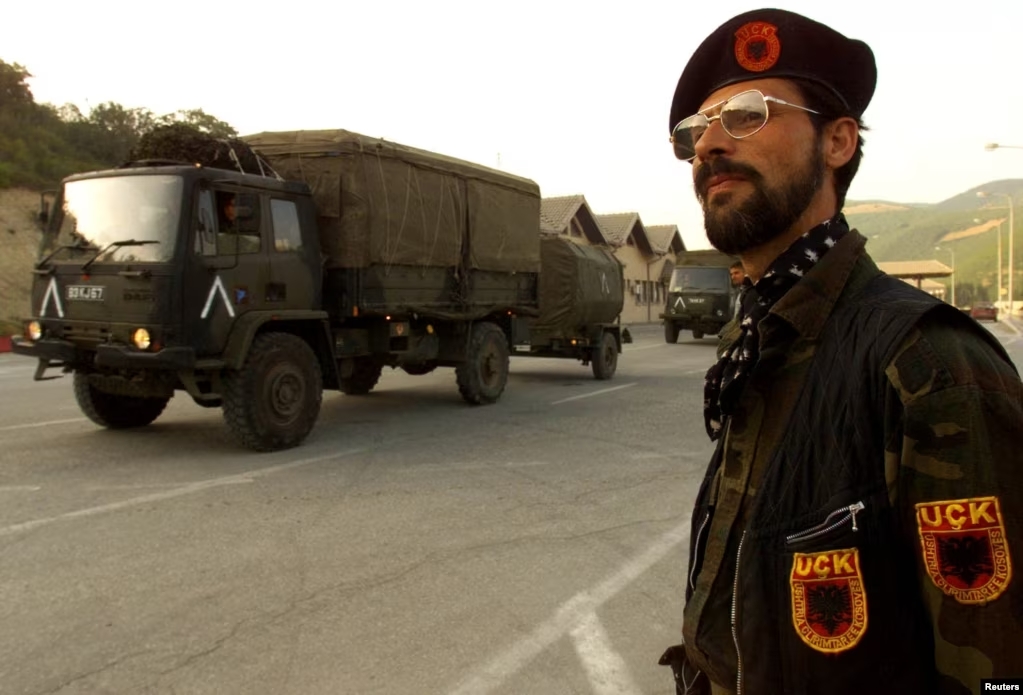
Political and military leaders of Serbia have been arrested, tried, and convicted by the International Criminal Tribunal for the former Yugoslavia in The Hague for the crimes against humanity committed in Kosovo.
Among them was Slobodan Milošević, who died in custody before being convicted for his responsibility in ordering war crimes in Kosovo.
According to data, over 1,600 persons are still considered missing.
Twenty-four years after the entry into Kosovo, the number of KFOR troops has decreased, and currently, there are over 4,000 troops from 28 countries stationed in the country.





