

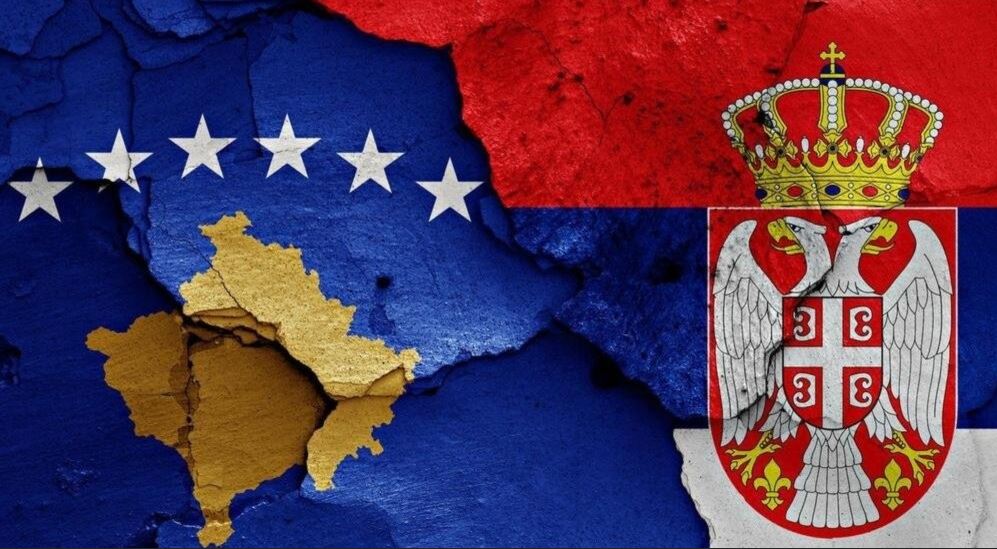
Opposition parties in Kosovo have voiced their criticism towards the government for not involving the latest Western-supported demands related to negotiations with Serbia, emphasizing the importance of coordination with international allies.
European and American envoys for the Western Balkans visited Pristina and Belgrade over the weekend to reinvigorate negotiations.
This follows an incident on September 24 when a group of armed Serbs attacked the Kosovo Police in the village of Banjska, resulting in the death of a police officer.
However, details about the plan for the way forward presented by the diplomats and their hosts, were not disclosed.
Abelard Tahiri from the Democratic Party of Kosovo stressed the need for clarity from the Prime Minister, Albin Kurti, who represents the country.
“The Prime Minister’s position and stance on the new demands remain unclear, which is crucial as he leads the government and represents Kosovo,” argued Tahiri.
Besnik Tahiri of the Alliance for Kosovo’s Future emphasized the necessity of aligning Kosovo’s strategic policy with international actors, especially the United States and the European Union.
He underscored the importance of fulfilling commitments without compromising sovereignty and the nation’s interests, as Kosovo’s path towards NATO and the European Union is vital.
Serbian President Aleksandar Vučić indicated that he would be in Brussels for discussions, leaving the possibility of a meeting with Kosovo’s Prime Minister open. However, it is yet to be confirmed by Pristina or EU officials.
European envoy Miroslav Lajčák stressed the urgency of reducing tensions and normalizing relations between Kosovo and Serbia. He noted that the events on September 24 hadn’t changed the fact that both countries had agreed to a deal for normalization earlier this year.
In Pristina, Mimoza Kusari-Lila, leader of the parliamentary group from the ruling Self-Determination Movement, disagreed with this approach, highlighting that the events of September 24 were a significant turning point and could not be ignored.
Diplomats at the meeting of European Union foreign ministers discussed the events of September 24 and further talks are expected to occur during the upcoming summit of EU member state leaders.
Kosovo accused Serbia of orchestrating the attack on September 24. Prime Minister Albin Kurti claimed that it was carried out by “the Novi Sad Clan led by Serbia’s Defense Minister Miloš Vučević”.
Belgrade denied any involvement with the armed group responsible for the attack, while Kurti has called for the sanctioning of Serbia while emphasizing the priority of security in Kosovo.
Despite tensions, diplomats who visited Pristina and Belgrade focused on the implementation of the agreement for normalizing relations that both parties agreed to earlier this year. Concrete steps may be taken in the coming week to expedite its implementation.




