

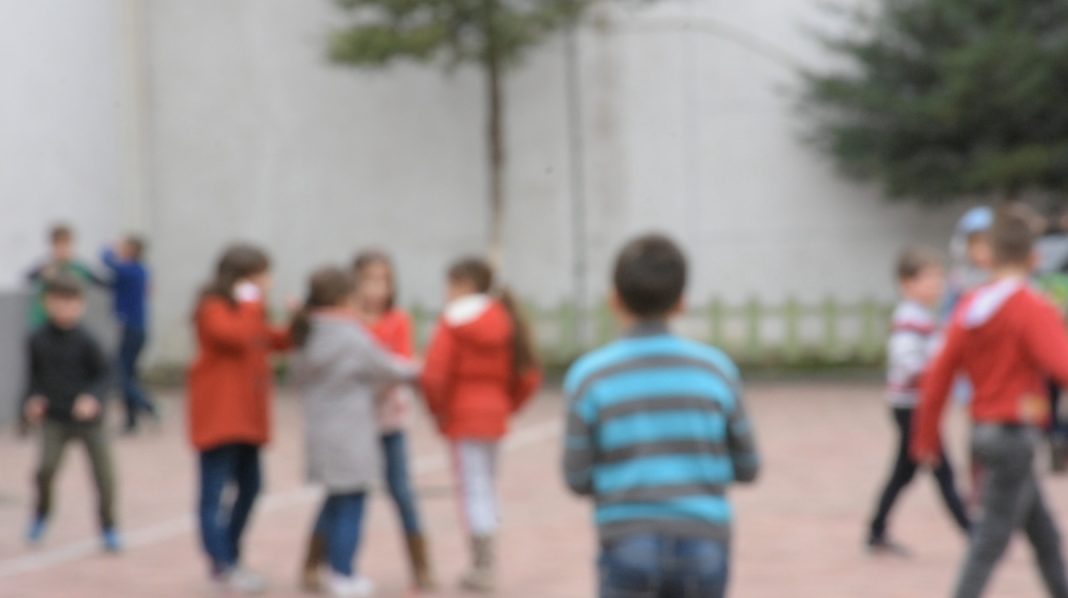
According to a study by the International Organization for Migration, having a parent emigrate has psychological consequences for children.
Mental health is one of the key factors that leaves an impact on young individuals.
“The consequences are of an emotional and psychological nature, of mental health, often reflected in children’s behavior. In many cases, they fall victim to various networks… They have a tendency to distance themselves from educational environments, to desire being alone. All of these leave a trace. Two are the elements that follow us throughout life: parents and childhood. Many children live and coexist with the feeling of absence,” sociologist Entela Binjaku explains to Euronews Albania.
Men are more predisposed to emigrate. However, in recent years, the number of mothers who, for various reasons, such as economic ones, are forced to leave their children in Albania, has also increased.
Sociologists say that some of these signs become more apparent years later when these children have their own families.
“As adults, we show symptoms of loneliness. This is evident in the need to connect with someone else, the desire for company, the longing to have someone close… Longing and absence, the needs leave a mark and are unfulfillable,” Binjaku further adds.
Seeking help is still a taboo in this society. Even though consequences may be evident, parents tend not to disclose and seek specialized treatment.
“Many parents do not see such a request for therapy necessary… We are accustomed to a society living with emigration and do not consider it a problem. I think this is a problem,” concludes Binjaku.
In Albania, Berat is at the top of the list as one of the regions with the highest number of emigrant parents, with Dibra and Durrës following.
The main cause of emigration continues to be the economy, but in recent years, there has been an observed increase in emigration for educational reasons.




