

Turkey would do well not to have illusions that it will be allowed to join the European Union one day, the Kremlin said on 11 July, while Moscow expressed its desire to strengthen relations with Ankara despite disagreements, including NATO expansion.
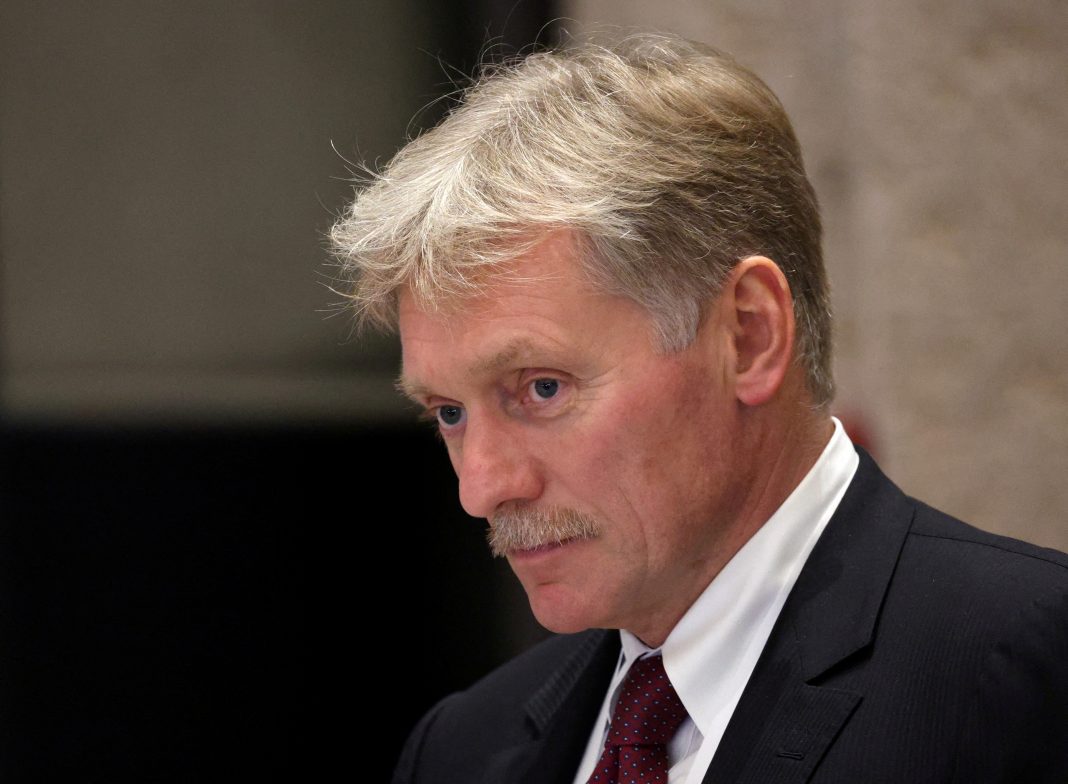
Kremlin spokesperson Dmitry Peskov responded to questions regarding Turkey’s decision to support Sweden’s accession to NATO, a day before the alliance’s two-day summit in Vilnius.
Turkish President Recep Tayyip Erdoğan has aimed to maintain good relations with both Moscow and Kiev during the war in Ukraine. He has refused to join Western sanctions against Russia due to the occupation of Ukraine and has invited Russian President Vladimir Putin to visit Turkey in August.
Turkey had blocked Sweden’s accession, accusing the Nordic state of not doing enough to suppress individuals that Ankara considers terrorists. However, on Monday, Erdoğan withdrew his objections, allowing Sweden to become the 32nd member of NATO.
Russia sees NATO’s expansion as a threat to its security, but Peskov downplayed suggestions that Turkey was moving away from Russia and approaching the West.
“Turkey can orient itself towards the West. We know that in the history of the Republic of Turkey, there have been periods of intensive orientation towards the West, and there have been less intensive periods,” he said during a press conference.
“But we also know that nobody wants to see Turkey in Europe, and I’m talking about Europeans. Our Turkish partners should not dwell in illusions,” he added.
He alluded to the European Union’s reluctant stance in accepting Turkey, which applied for membership in the bloc in 1987 for the first time.
Erdoğan said on Monday that the EU should pave the way for the resumption of accession talks with his country in exchange for lifting the Turkish blockade on Sweden’s NATO membership.
Peskov said that Russia understands that Turkey has fulfilled its obligations as a NATO member regarding the Swedish issue but added that Moscow wishes to continue building better bilateral relations with Ankara, despite “all disagreements”.
The Kremlin is seeking to establish a new center in Turkey for the export of Russian gas, as Moscow has changed its gas transportation routes due to Europe significantly reducing its dependence on Russian energy since the start of the occupation.




