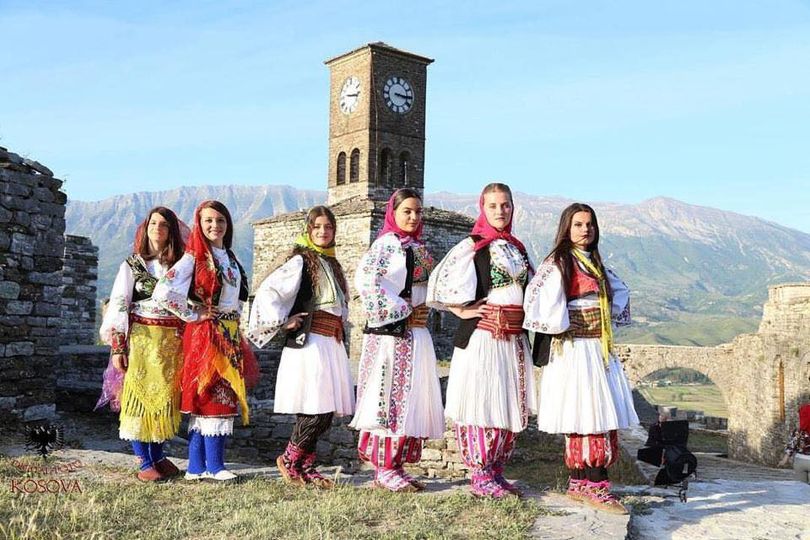
The creation and preservation of traditional costumes held significant cultural value in Albania.
However, in modern times, fewer people wear these garments or have the skills to make them. As a result, it has become vital to protect and pass down the knowledge and traditions associated with these costumes.
Continuing their project to showcase northern regional attire to the public, the Regional Directorate of Cultural Heritage in Shkodra (DRTK Shkodër) presents a collection of garments from the Luma region. These costumes are known for their exquisite beauty, elegant designs, and vibrant color combinations.
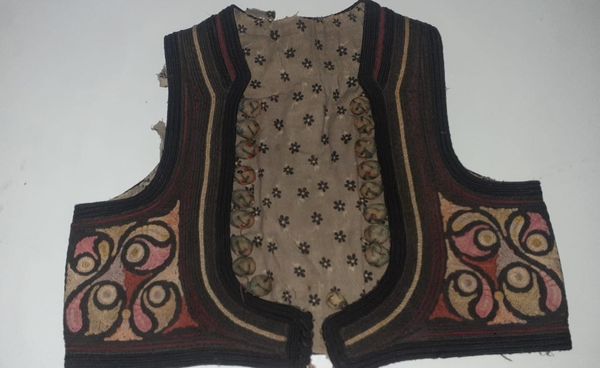
In one of the shared photographs on social media, DRTK Shkodër highlights a waistcoat that has been diligently preserved by the Doçi family. This waistcoat was handcrafted in 1935 as part of the wedding preparations for a family member.
It contains elements of the traditional Luma costume and is kept with great care in the village of Nanga by the same family.
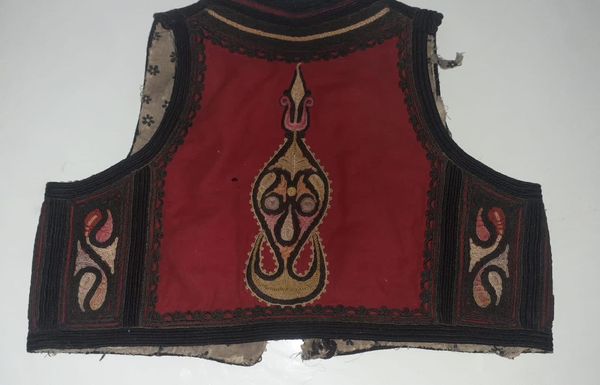
The second image showcases the back of the Luma waistcoat, offering a glimpse into the 20th-century fashion of the region.
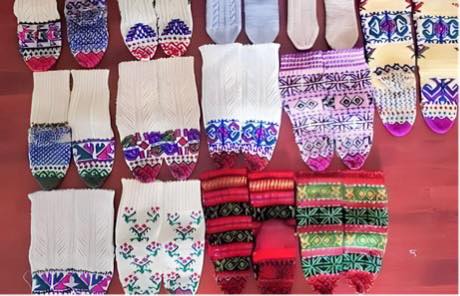
The collection also includes some Luma socks crafted in the village of Vila. These socks were made during wedding preparations in the Hasa family and have been passed down to the current generation. They were expertly created using wool from the native Ruda sheep, which is a 100% Kukës and Dibër breed.
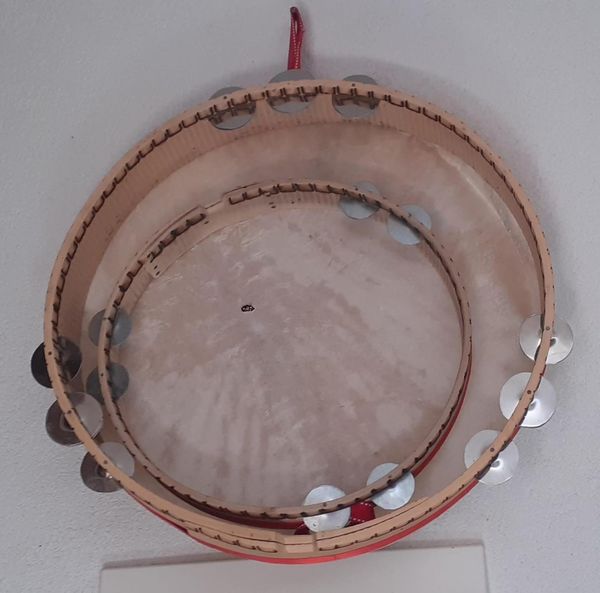
In addition to these traditional garments, DRTK Shkodër introduces a unique musical instrument called the “dahire” from the Kukës region. This particular dahire belongs to the Gjana family in Ujmisht of Kukës, and was meticulously crafted by the head of the household for the weddings of three sons.