

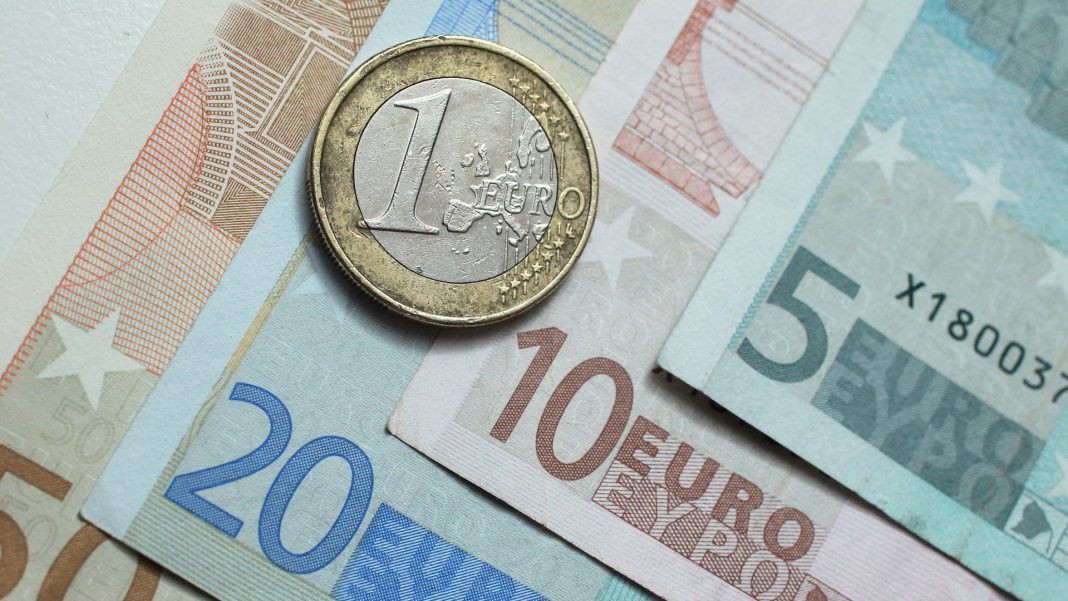
The growth of tourism and exports has led to the strengthening of the Albanian lek against the euro. This is the finding from the Ministry of Finance and Economy.
During a press conference, Finance Minister Delina Ibrahimaj emphasized the impact of foreign investments as well.
“The strengthening of the Albanian lek against the euro is a result of the economic structure and performance, especially regarding the external sector, exports, the strengthening of exports, services related to tourism, but also the growth of foreign direct investments, which have brought capital in foreign currency that has influenced the exchange rate,” the Minister argued.
She also added that this phenomenon is a consequence of the exchange rate regime that has been followed, which, throughout the past three years, where consecutive economic shocks have been experienced, has positively affected the absorption of all shocks suffered by the Albanian economy or the global economy.
“One of the elements that has kept inflation under control, in addition to the government’s pursued policies, has been the flexible exchange rate, which has allowed imported inflation, which constitutes the higher proportion of domestic inflation, to have a lower impact than it would have had with a fixed exchange rate,” added Ibrahimaj.
During 2022 and the first half of this year, the local currency continued to strengthen against the euro and the US dollar, which are also the two main trading partner currencies.
The strengthening against the euro was more significant, with the exchange rate currently at 104.85 Albanian lek.




