
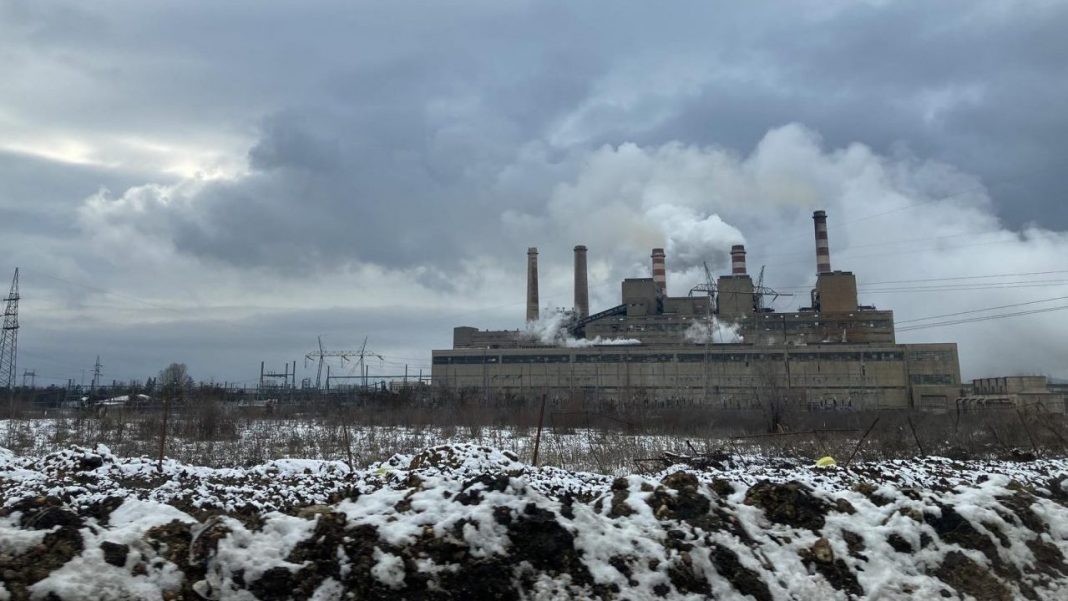
The Western Balkans might confront familiar energy supply risks this winter. A report from the Energy Community suggests that Western Balkan countries will face challenges to their electricity supply security during the winter of 2023/24.
Stability will hinge on various factors such as electricity consumption, particularly during cold spells, hydrological conditions (a potential imbalance in countries like Albania, Bosnia and Herzegovina, Montenegro, North Macedonia, and Serbia if hydrology is dry), and the availability of existing thermal power capacity to ensure reliability and minimize risks.
The second challenge relates to diversification, and almost all nations are committed to investing in potential capacities that are currently being set up. It is estimated that it will take 2-3 years to establish a new diversified energy landscape.
The Western Balkan Contracting Parties of the Energy Community still demonstrate vulnerabilities and reduced adaptability in extreme scenarios. This highlights the urgency of expediting the energy transition and decarbonization by integrating more renewable energy sources.
Significant investor interest, reaching approximately 20 GW in Serbia, about 7 GW in Bosnia and Herzegovina, over 4 GW in North Macedonia, and large-scale investments in Albania and Montenegro, suggests that there’s a possibility for rapid capacity expansion (2-3 years).
However, obstacles related to licensing procedures, grid connections, and energy system balancing due to limited flexibility resources must be addressed promptly.
To address these challenges, the Secretariat recommends the acceleration of renewable energy source integration, the creation of liquid electricity markets, especially intraday and balancing markets, increasing cross-border exchanges, and aligning retail electricity prices with wholesale rates while providing necessary support to vulnerable consumers, especially women, children, and minorities, who are most susceptible to energy poverty.
Energy efficiency measures are also suggested for medium-term risk reduction with the Secretariat’s support. Fully opening the electricity market, integration, participating in emissions trading systems (ETS) to facilitate coal phase-out, integrating renewable sources, and regional cooperation remain critical actions for sustainable energy systems and risk reduction.
The final risk concerns gas, which, similar to last year, is seen as a concern for countries with high gas consumption. Albania is not included in this category.