

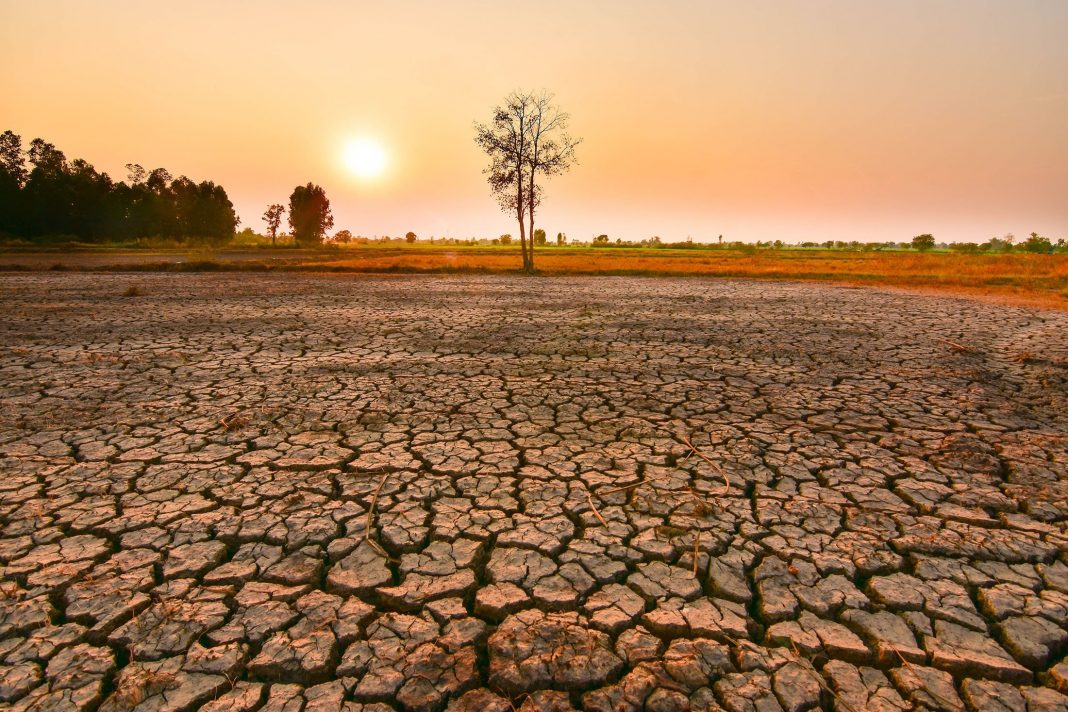
The “El Niño” phenomenon, which originates in the Pacific Ocean and occurs once every 4 or 5 years, will lead to climate changes.
Meteorologists explain that this phenomenon will be tangible over time, but it is not a cyclone that moves directly towards us.
“It is a phenomenon, a thermal condition that brings surface temperature rise, changes in terrestrial space, land surface, and average temperature increase,” meteorologist Lajda Porja tells Euronews Albania.
Extremely high temperatures and the increase in annual average temperature will be one of the main impacts of the “El Niño” phenomenon, accompanied by extreme events.
“We expect 2024-2025 to result in really hot years. We will have an increase in cyclones and tropical storms. If they were rare before, they will become more frequent, leading to heavy rainfall in some areas that haven’t experienced it before,” Porja further states.
“El Niño” is expected to disrupt the seasons by shifting autumn towards winter and the latter towards spring.
“We will have more hot days and more days with temperatures. If winter is currently three months long, it will be reduced to just over one month, shifting winter towards spring,” explains Porja.
The consequences of the “El Niño” phenomenon are still significant.
But according to meteorologists, starting from the upcoming year, Albania will also be affected by it, leading the country to experience extreme weather events with a level of aggressiveness never seen before.




