

In recent years, willingness to fight has drawn increased attention, especially since Russia’s full-scale invasion of Ukraine in 2022. This war highlighted the importance of citizens’ morale in resisting an aggressor.
But what can be said about the willingness to fight among NATO member states? Riga Stradins University, in cooperation with the Center for Geopolitical Studies Riga, conducted a survey with more than 31,000 respondents in September and October 2025.
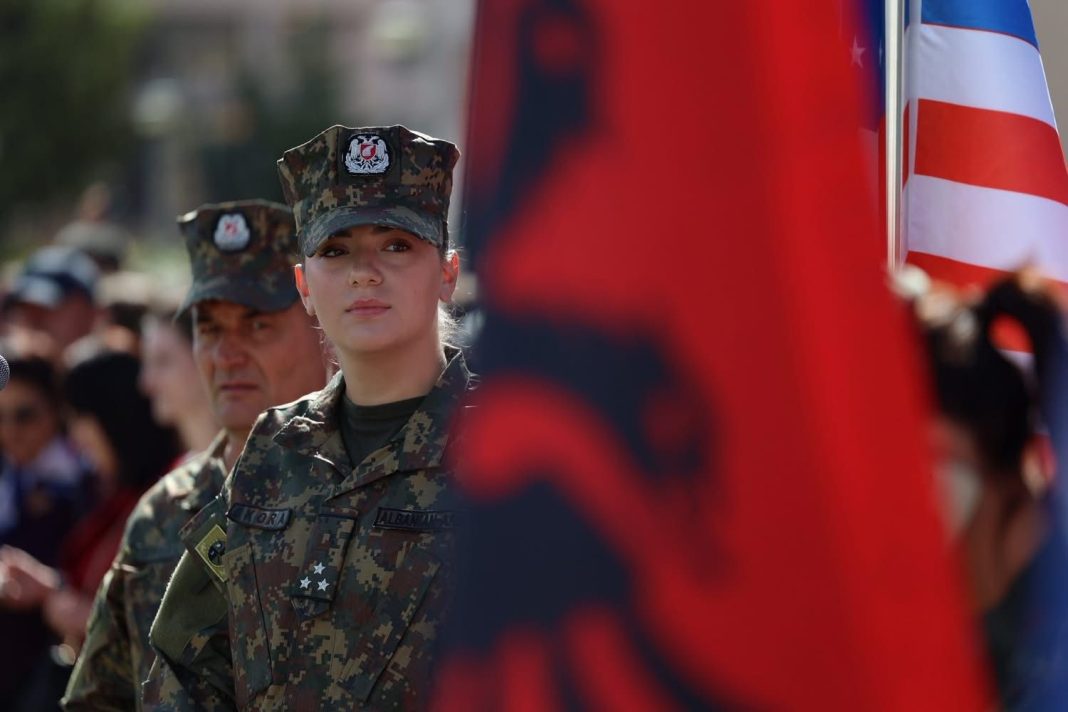
According to the survey, the five countries with the highest percentage of citizens willing to fight for their country are Turkey (88%), Albania (69%), Sweden (66%), Finland (64%), and Montenegro (63%). The top 10 is completed by Greece (also 63%), Norway (61%), Lithuania (52%), Poland, and Slovenia (both at 49%).
While Lithuania, with 52%, ranks among the top 10 NATO countries, Estonia and Latvia rank lower with 45% and 37% respectively. In both cases, views among their Russian-speaking populations have traditionally lowered the overall national willingness to fight.
The only two North American NATO allies rank slightly below the midpoint. In Canada, 39% of respondents said they were willing to fight for their country, and a similar percentage in the United States (37%) said the same.
The countries with the lowest percentage of citizens willing to fight for their country in NATO are Italy and Slovakia (both 25%), Germany (27%), the Netherlands (30%), Hungary, and the Czech Republic (both 33%).




