

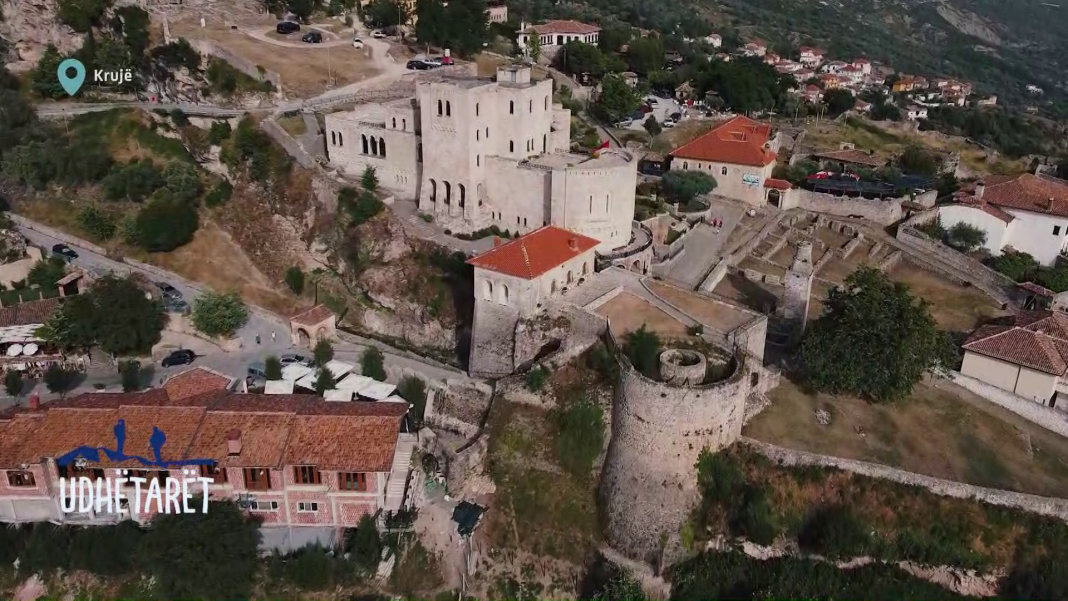
Today, our Travellers, stopped by one of the most important historical cities of Albania and the birthplace of the country’s national hero, George Kastriot Skanderbeg.
Kruja, around 20 kilometers away from Tirana, was the capital of the first Albanian state during the Medieval era and is mentioned in Byzantine papers since the 7th Century. The ancient city is one of the most visited, mainly due to the Kruja Castle, although promising many other spots awaiting to be discovered.
Below, 5 destinations you might have missed when visiting Kruja
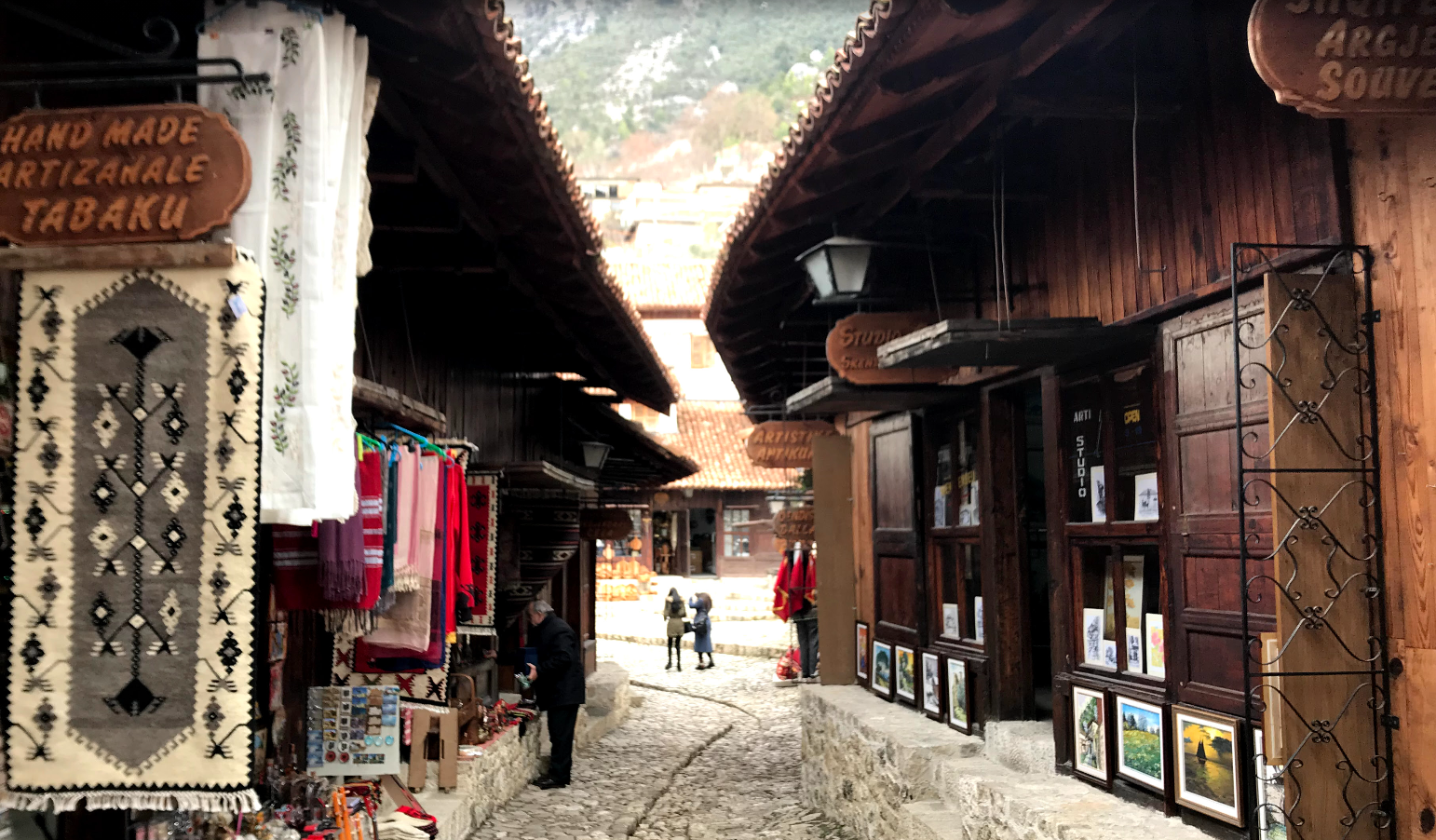
The Old Bazaar
On the two sides of a narrow cobblestone street, you will find the Bazaar of Kruja. It is believed that the bazaar was functional since the time of Skanderbeg, so in the 15th Century. One of its characteristics is that the interior of all the shops found there are carved with wood. Among the main products that you may purchase are silver handicrafts, jewelry, traditional local outfits, carpets, etc.
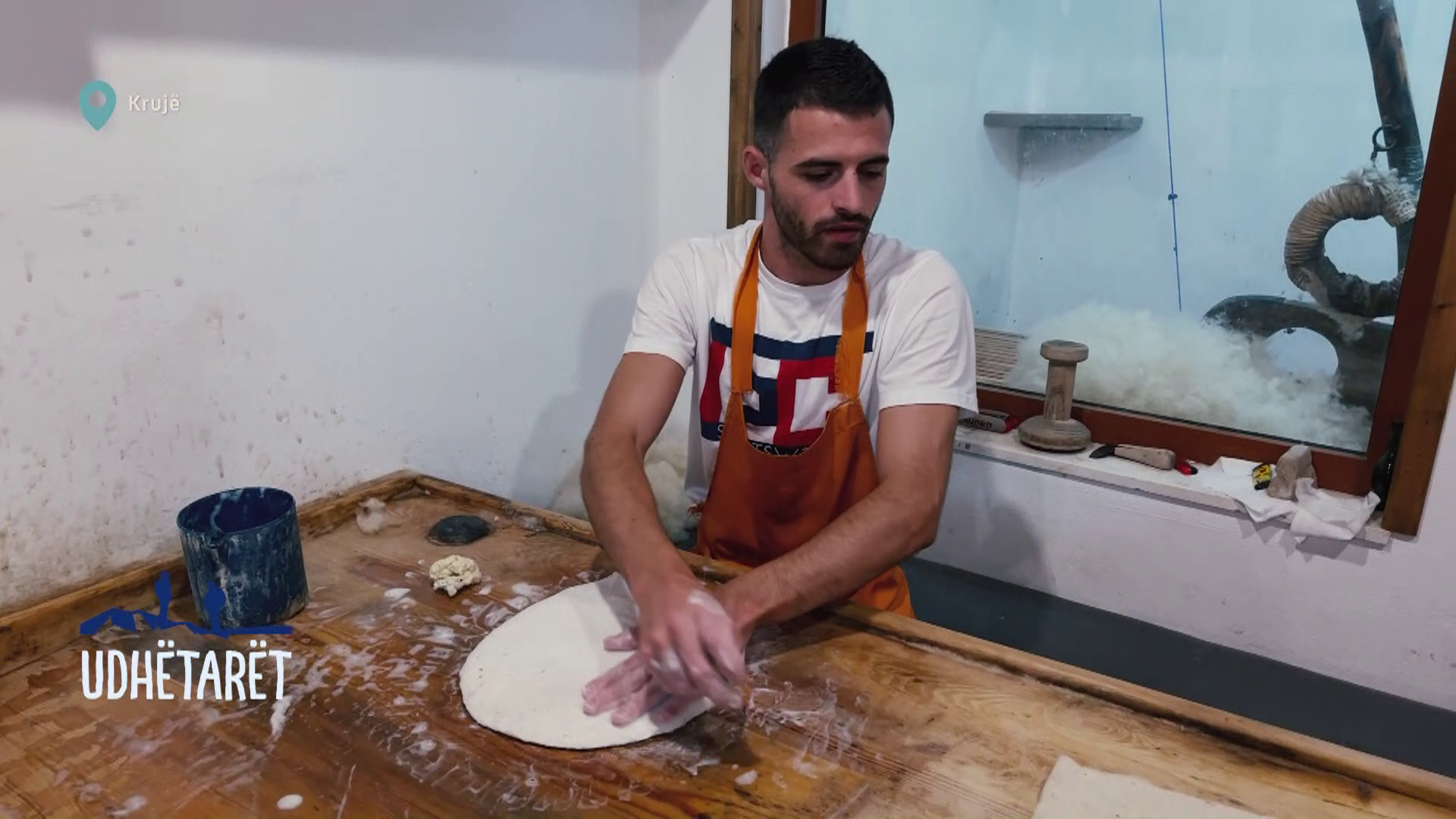
Dropping by to see how the traditional “qeleshe” is handcrafted
Qeleshe, also known as plis, is one of the most characteristic pieces of Albanian traditional clothing. Working on it is not an easy task as it requires mastery in working with the wool, while the locals told us that one of the main elements is that the wool must be made in Albania.
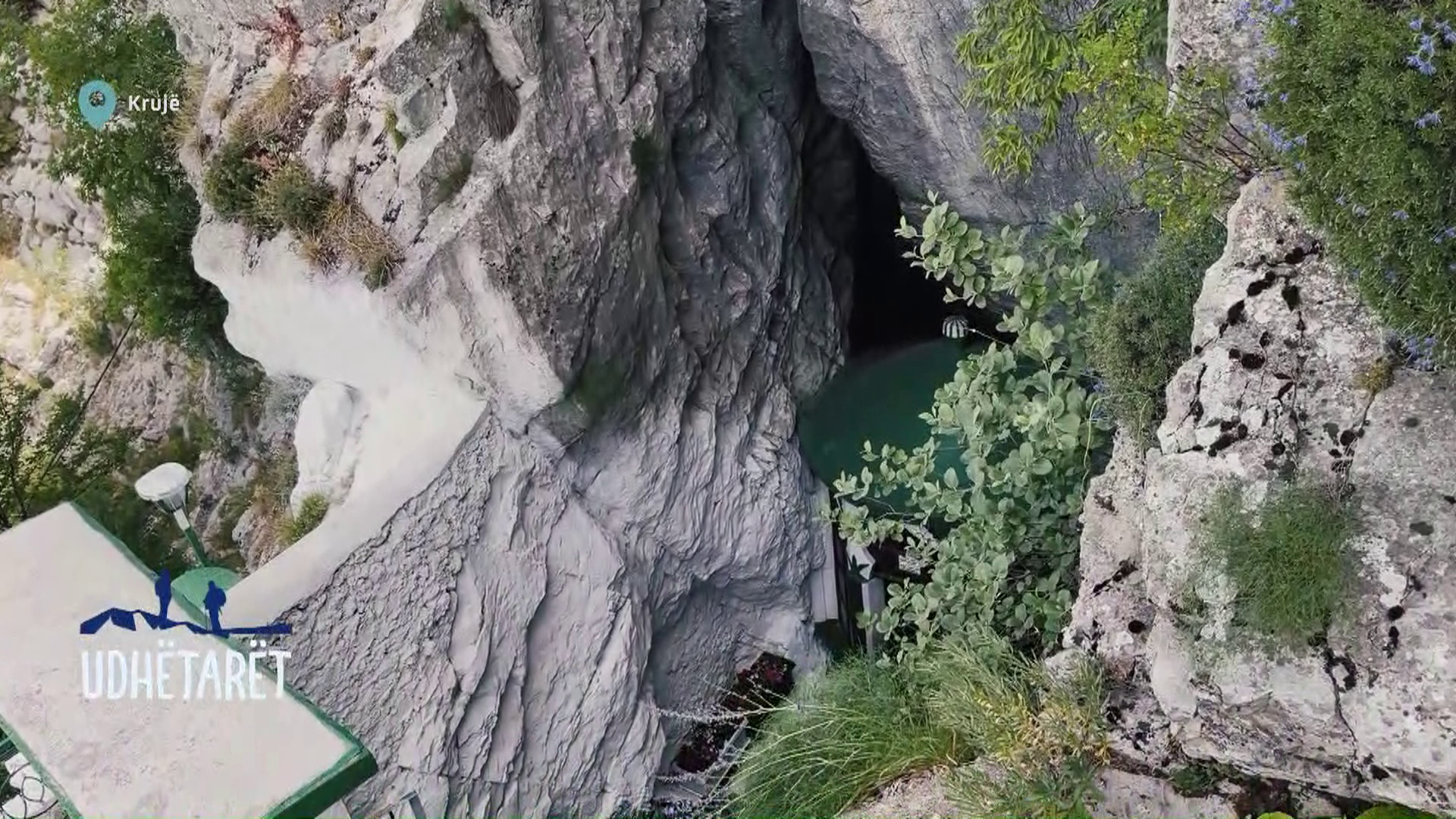
Sari Sallktik Tekke
At the very top of the Kruja mountain, at a height of 1,176 meters, above sea level, you will find Sari Salltik Tekke, a place where a dervish from the Bektashi order lived many years ago. The Tekke is seen widely as a sacred spot for the religious and is also an important pilgrimage destination that welcomes thousands of worshippers every year.
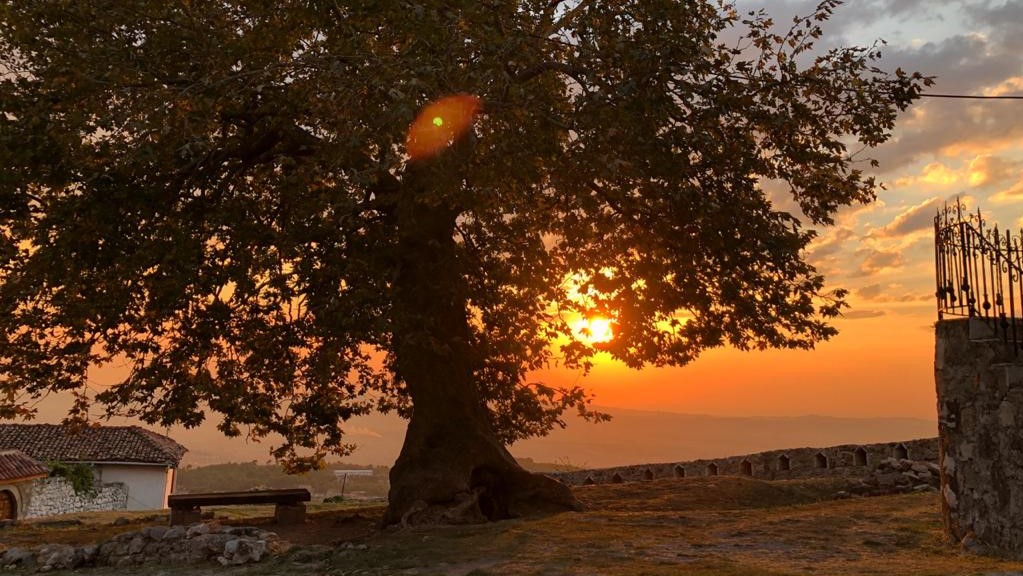
The Castle and Museum of Kruja
Besides the usual and common tourist guide to the Kruja Castle and Museum, another interesting attraction are the inns that offer a piece of the hospitality, traditions, and food of the area.
National Park of Qafë-Shtama
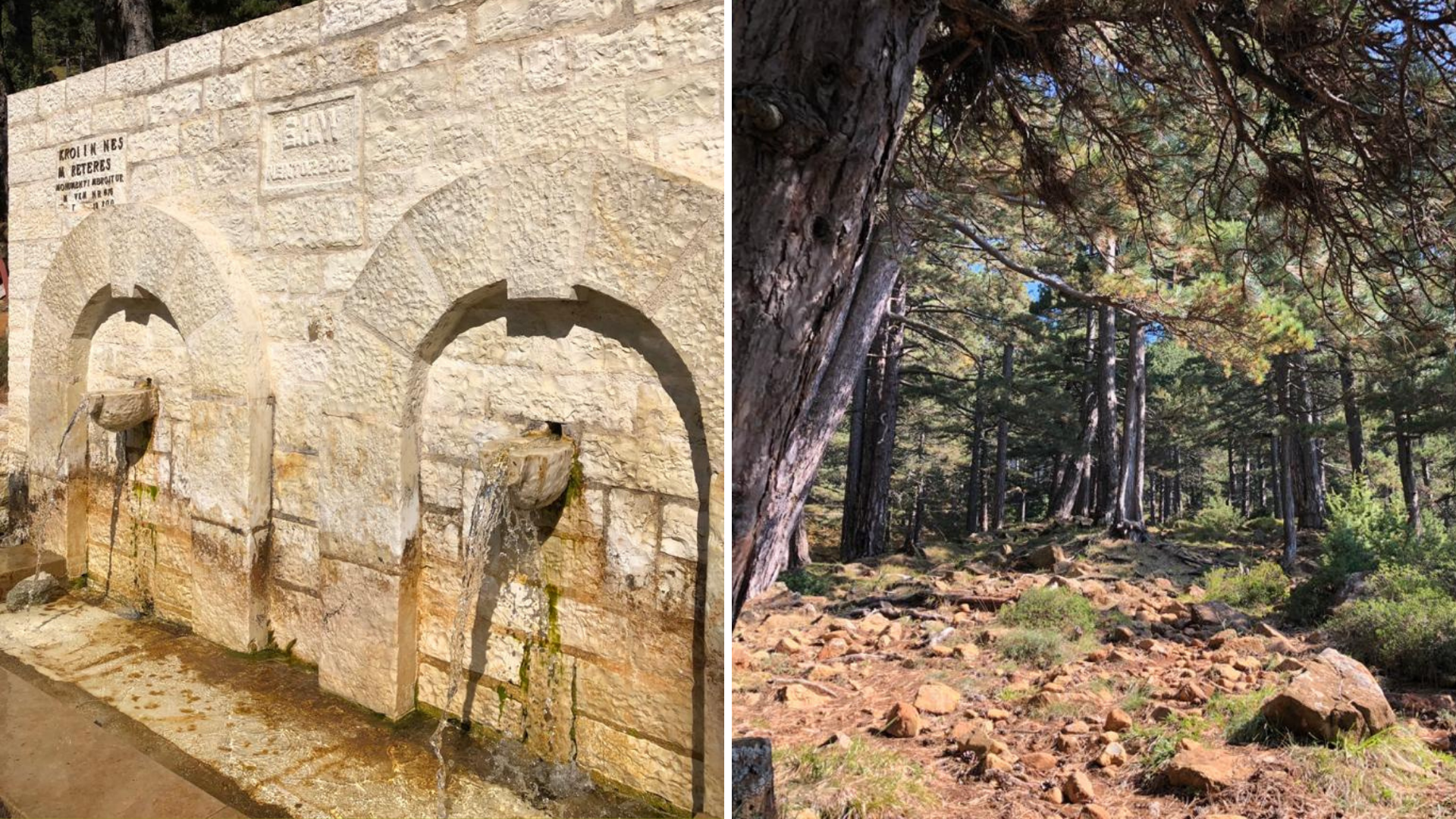
Circa 20 kilometers east from Kruja is the National Park of Qafë-Shtama, regarded for its breathtaking forest and a source of drinking water called “The Source of the Queen Mother”. The fountain is believed to have received the name as during the 1930s, a truck was sent from the royal court of King Zog in Tirana to get water from that fountain due to the high concentration of salt found in it that had been advised for his sick mother.
YOU MIGHT ALSO LIKE





