

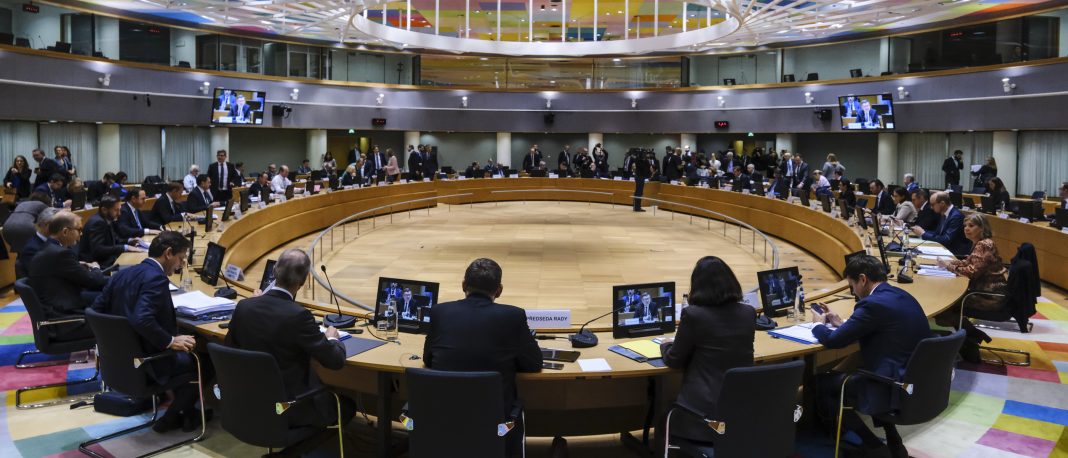
In this Monday’s meeting of the Foreign Affairs Council in Brussel, the foreign ministers of the member states will discuss the situation in the Western Balkans, where they will also be joined by the foreign ministers of the six countries of the region.
According to announcements from the European Union, the main topics to be discussed will be the agreement towards normalization between Kosovo and Serbia, the situation in Bosnia and Hercegovina, regional collaboration and the Russian influence in the region.
The EU is expected to reiterate its commitment to continue helping the region, as well as asking the countries to fulfill their obligations in implementing reforms and adapting to the EU’s foreign policy.
Swedish Foreign Minister Tobias Billström, whose country holds the next presidency of the EU, said on the eve of the meeting that “the Western Balkan countries have their place in the EU, but we will continue to wait for their adaptation to the foreign policy of the bloc”.
Croatian Foreign Minister Gordan Grlić-Radman declared his country supports the EU enlargement with the Western Balkan countries, but it asks those states to respect the European core values and collaborate in various fields, including the illegal migration issue.
So far, all countries of the region, except for Serbia, have supported EU sanctions against Russia. Furthermore, in the last year, Serbia’s adaption to the EU’s foreign policy stances has diminished even more.
The EU has also expressed concern about the threats heard in Bosnia and Hercegovina for endangering the territorial integrity of the country. Such calls continue to come from the leader of the Serbs, Milorad Dodik.
As far as the Kosovo-Serbia dialogue is concerned, it is expected that the bloc’s foreign ministers will emphasize the need for progress in the normalization process between the two countries and the implementation of all the obligations that the parties have undertaken in this process.
Following the instructions that the leaders of the EU and the Western Balkans have given from the summits of Brdo in 2021 and Tirana in 2022, the European Union has assisted partners in developing their capacities to face hybrid threats, especially cyberthreats and with campaigns of manipulation and interference by external factors.
The EU has also included the countries of the region in joint plans to prevent terrorist acts.
All these will also be topics that the EU foreign ministers and their counterparts from the Western Balkan region will discuss in their joint meeting.





