

65 years ago, Albania joined the ranks of the United Nations Educational, Scientific and Cultural Organization (UNESCO).
The General Directorate of Archives, as the institution tasked with overseeing, preserving, and promoting the nation’s documentary heritage, safeguards two renowned manuscripts, Beratinus 1 and 2. These invaluable manuscripts were inscribed onto UNESCO’s Memory of the World Register in 2005.
Codex Purpureus Beratinus (Kodiku i Purpurt i Beratit), hailing from the 6th century, graces purple parchment with its ancient script.
Meanwhile, the Codex Aureus Anthimi (Kodi i Artë i Anthimit), originating in the 9th century, features its text in golden letters on parchment.
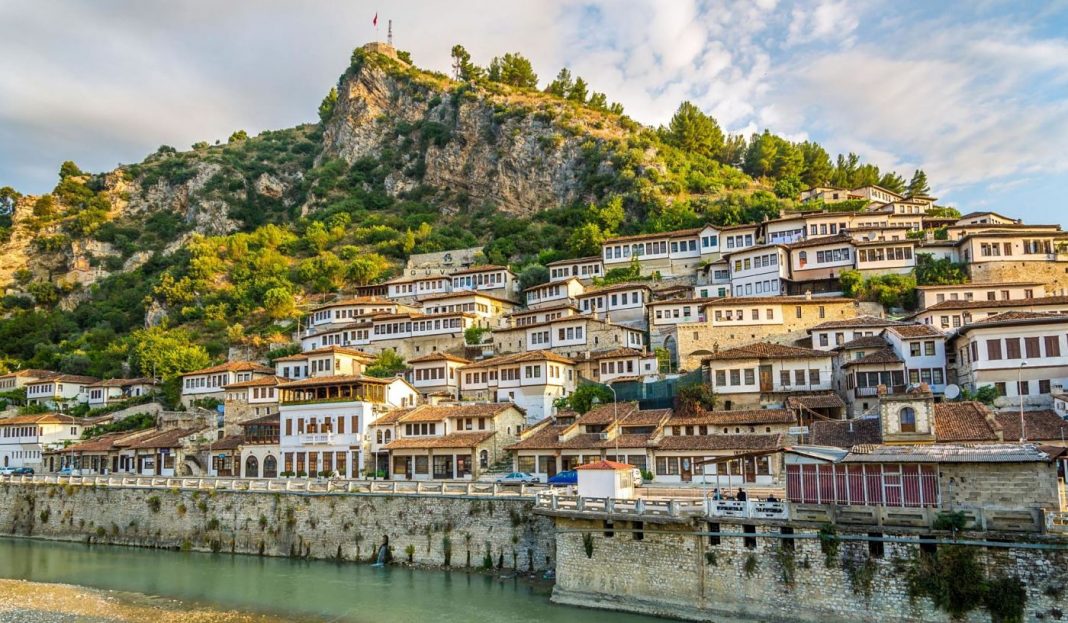
Albania boasts six other cultural treasures as part of UNESCO’s World Heritage: Lake Ohrid, the Gashi River, Rrajca, Berat, Butrint, and Gjirokastra.
UNESCO unites 193 member nations, and the membership process is carefully regulated by Articles 2 and 15 of UNESCO’s constitution, along with Articles 98-101 of the General Conference’s Internal Regulations, which outline the organization’s guiding policies.






