

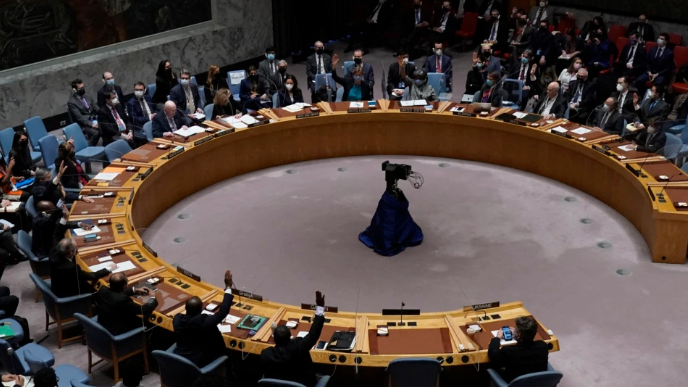
Serbian crimes during the wars in the Balkans will be discussed again in the United Nations. On April 17, at a closed meeting at the UN, a draft resolution declaring July 11 as the International Day of Remembrance of the Srebrenica Genocide will be considered.
In July 1995, Bosnian Serb forces killed more than 8,000 Muslim men and boys after they had earlier gathered them into a concentration camp. The measures are considered the biggest crime of a racist nature since the Second World War.
This massacre has been called genocide by the International Court of Justice in The Hague. But even though it is about a crime that happened a few years ago, in Serbia this event is denied or relativized.
The leader of the Bosnian Serbs, Milorad Dodik, has repeatedly denied that the Serbs have committed crimes against civilians.
Genocide denial has become a problem for Serbian society, which in recent years claims that it is the party most damaged by the wars in the Balkans and not the other countries that have tens of thousands of civilians killed.
The final resolution has not yet been approved and it is expected that the document will be approved at the end of May.
The document, which is still in the discussion phase, aims to stop the denial of crimes by the Serbs.
The draft UN resolution calls for the unreserved condemnation of any denial of the genocide in Srebrenica and urges UN members to preserve proven facts and develop appropriate programs through their educational systems in order to prevent such events in the future.