

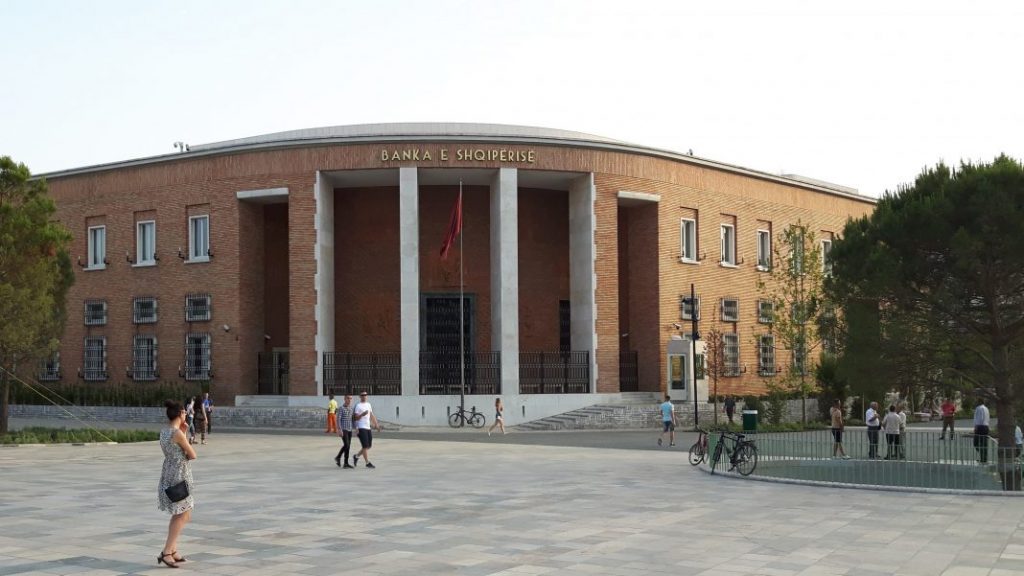
A Bank of Albania report has highlighted that labor shortages in 2024 remain at high levels. Survey indicators show lower business expectations for employment and higher unemployment concerns among consumers during the fourth quarter, according to the report.
Soon, in bars and restaurants, everything you order might be served by foreign workers. Due to the shortage of local labor, business owners are now looking to foreign markets to fill job vacancies, even offering two-year contracts.
Mass emigration in Albania is taking its toll, especially in tourism. Census data revealed that 429,000 Albanians have left the country in the past 13 years.
“We have found alternative solutions by hiring employees from other countries. Many large hospitality businesses now have a significant number of foreign workers, mainly from Asian countries. However, recently, we have also started hiring workers from Latin America, as they can enter Albania visa-free. This is currently the best solution to balance the labor shortage. These are low-skilled workers, serving as cleaners or in support roles. Salaries are nearly identical to those of Albanian workers,” said Rrahman Kasa, head of the Tourism Union.
Seasonal Tourism and Labor Market Challenges
Seasonal tourism remains a key reason why many young Albanians, despite living in the country, refuse to work in tourism-related jobs.
“In Albania, job security is lacking—it doesn’t offer a decent salary, good working conditions, or opportunities for training and career advancement. Foreign workers cannot fully compensate for the local labor shortage. Tourism is a sector that offers temporary contracts, usually lasting 3 to 6 months. What will these workers do for the rest of the year?” said Gentjana Hasalla, an employment expert.
Preparing for the Summer Season
Accommodation businesses are already preparing for the summer season. Private agencies are actively recruiting workers, and behind the scenes, they report staggering figures—up to 50,000 foreign workers coming to Albania for jobs ranging from basic labor to nannies and even managerial positions.





