
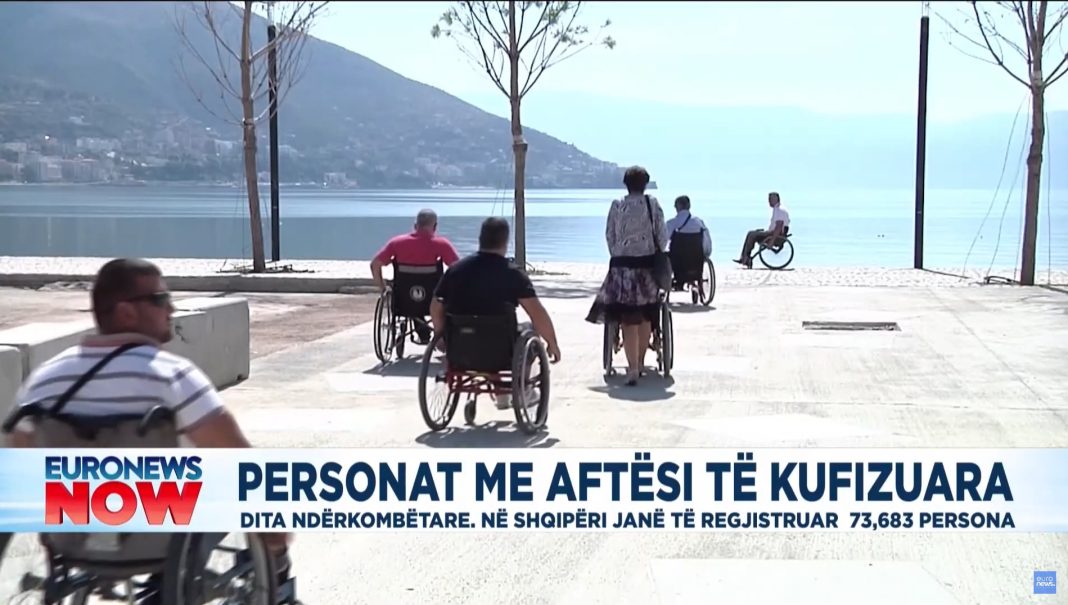
For 32 years, December 3 has been known as the International Day of Persons with Disabilities. In Albania, 73,683 people are registered and benefit from payments and services.
The application of the new biosocial assessment scheme has not only facilitated the procedures for beneficiaries with the establishment of 37 commissions throughout Albania, but has also increased the number of beneficiary diagnoses.
“If with the old scheme there were 100 diagnoses, now there are more than 300 diagnoses, the largest percentage of diagnoses is mental health, we have almost all mental health diagnoses, with the new scheme we also have an increase in neurological and cardiological diagnoses , pneumological, allergological. We have growth in all spheres, but the difference with the old scheme is this: With the old scheme, two patients with the same diagnosis receive the same levels of benefit, with the new scheme they receive according to difficulty”, says Adela Hoxha, responsible for the assessment offices PWD, Tirana.
Currently, disability payments range from 8,500 to 35,000 ALL, they are received when the person is employed and at the same time services are offered.
“We recommend services for employment, professional training, supporting teachers and this is to enable citizens in everyday life. Every citizen who is a person with disabilities and receives a payment as a person with disabilities can work full-time and part-time as he has the opportunity, the disability payment is not removed because we definitely believe that he has found a job based on his abilities and difficulties”, says Adela Hoxha, head of the PWD assessment offices, Tirana.
Discrimination remains a concern when it comes to hiring people with disabilities, so the appeal is to accept them as they are.
“We call on you to treat these people equally like everyone else and not discriminate”, says Adela Hoxha.
According to WHO reports in Europe, 16% of the population lives with a disability.
In addition to congenital problems, children with different abilities also seem to face discrimination in society. This fact affects their non-integration and consequently brings consequences for them, but also for the families.