

The departures are reducing the number of people of working age within the country.
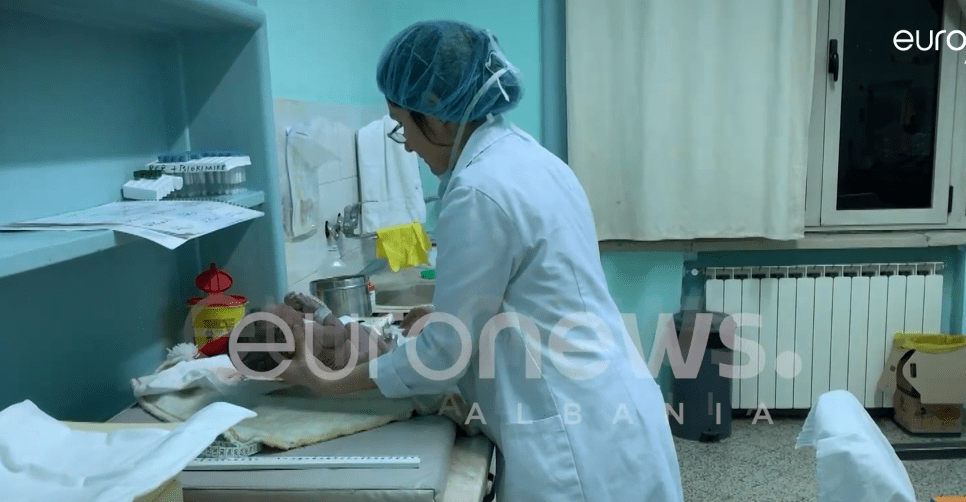
Women are giving birth to fewer and fewer children, and they decide to do so when they are 27 years old or older. If at the end of the 80s in Albania, 225 babies were born per day, at the beginning of the 2020s, 64 babies were born per day.
So, if in 1990, a baby was born every 6 minutes, in 2022, a new creature has opened its eyes every 22.5 minutes.
In recent years, what we have noticed is a change regarding the driving factors, where we increasingly see the growth from economic factors to social factors, to security, the future; of building the future for children. For example, we see families that have been well-established in Albania, who leave for destination countries that are more promising for their perspective, especially for children”, said Elona Dhëmbo, researcher of migration issues, on the Money show in Euroneës Albania . The calculations show the size of the demographic reduction throughout the territory of the country, in a 35-year time period with rapid developments, influenced by the high level of immigration and then by the new lifestyle, with lower birth rates and larger families. small. “Mostly young people are leaving, mostly intellectuals are leaving. Mainly the middle class of the population is leaving. So, today those who have a job in Albania no longer leave. They can have very good jobs, but they decide to leave”, said Klodian Muço, lecturer of Economics. The emigration of Albanians and the effects that massive departures bring to the economy was the topic of the show ‘Money’ in Euronws Albania this week.




