




Vodafone trials mobile mast powered with an AI brain, and a robotic arm
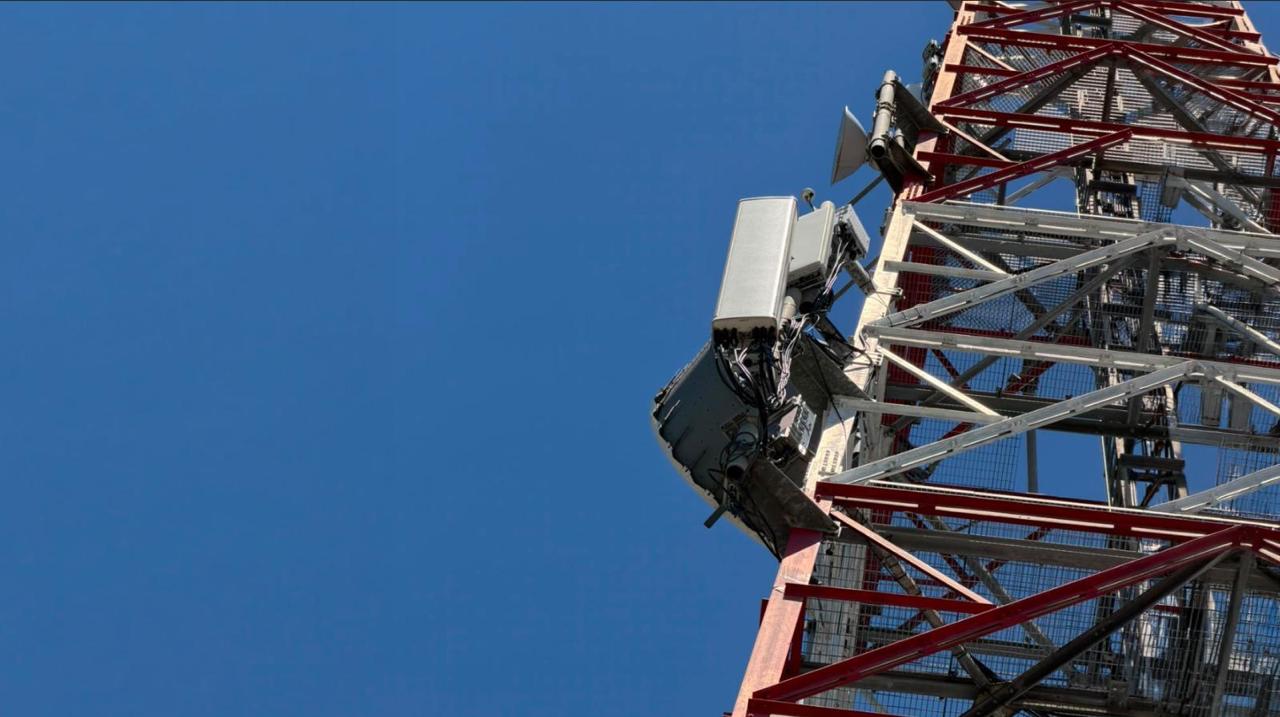
What if the mobile network could think for itself? It may sound like something out of a science fiction movie, but it is already becoming reality. For many people, Artificial Intelligence is still associated with chatbots and virtual assistants. But Vodafone Group is showing that AI can do much more. In Albania, it is helping transform the physical infrastructure that keeps people connected every day.
Imagine a mobile antenna that doesn’t simply broadcast a signal, but constantly analyses how people move, where network demand is highest and how external conditions are changing. Now imagine that antenna making its own decisions, automatically adjusting its position to deliver better coverage and capacity without requiring an engineer to climb the mast. This is one of the telecommunications industry’s earliest examples of Physical AI: Artificial Intelligence that doesn’t just analyses data but interacts with physical infrastructure, making autonomous decisions that directly improve network performance.
As part of Vodafone Group’s innovation programme, Vodafone Albania is bringing this technology to the Albanian market through a live pilot in Tirana. The trial combines an AI-powered brain with a robotic arm developed in partnership with HUMAX Networks, capable of rotating and tilting live 4G and 5G antennas to optimize network performance in real time.
Francisco (Paco) Martin Pignatelli, Director of Mobile Access Engineering, Vodafone, said:
“By combining AI, automation and robotics our network can now dynamically follow user’s movement and demand patterns, delivering superior connectivity and customer satisfaction.”
The project supports Vodafone’s broader ambition to build increasingly autonomous and adaptive networks, where AI, automation and open architectures work together to improve customer experience and network efficiency.
But what does this actually mean for the people using the network every day, and everywhere?
For us, all of this translates into one thing, a better experience without anyone even noticing.
Think about a crowded shopping Centre on a Saturday afternoon. Thousands of people are browsing, streaming music, sharing videos and making calls at the same time. A few hours later, that same crowd has dispersed and internet traffic has shifted towards nearby residential neighborhoods as people return home. Traditionally, adapting the network to these changing patterns would require engineers to manually reconfigure antennas, a process that could take days or even weeks. With the new AI-powered system, antennas can be repositioned in approximately 20–30 minutes, allowing the network to respond significantly faster to changing demand.
Using Artificial Intelligence, the system continuously analyses traffic patterns, predicts where demand is increasing and autonomously instructs a robotic arm to rotate or tilt the antenna towards the areas that need additional capacity. The adjustment takes place while maintaining a seamless customer experience without requiring engineers to climb the mast.
The technology also forms part of Vodafone’s wider efforts to automate, and modernize radio access networks (RAN) through open, software-driven architectures. By combining AI, automation and digitalized network infrastructure, Vodafone is laying the foundations for future networks that can make increasingly intelligent decisions with minimal human intervention.
By factoring in variables such as traffic patterns and weather conditions, the system can anticipate where capacity will be needed before congestion occurs, helping optimize the network before demand peaks.
For you, the experience feels effortless. There are no settings to change, no applications to install and no notifications explaining what’s happening behind the scenes. The network simply performs better, quietly adapting to people’s lives rather than expecting people to adapt to it.
Tirana pilot is part of Vodafone Group’s broader strategy to develop autonomous, AI-native networks across its markets, helping create infrastructure that can sense, learn and adapt automatically to changing customer needs. Because perhaps the most remarkable innovation is not the technology we notice, it’s the technology that quietly works in the background, making everyday life just a little bit better without asking for our attention.
For Vodafone Albania, this project once again reinforces Albania’s role as an innovation market within Vodafone Group. Following the recent demonstration of AI-powered Network Slicing technology in partnership with Nokia, the country is becoming one of the environments where technologies shaping the next generation of intelligent networks are developed.
 Kryefaqja

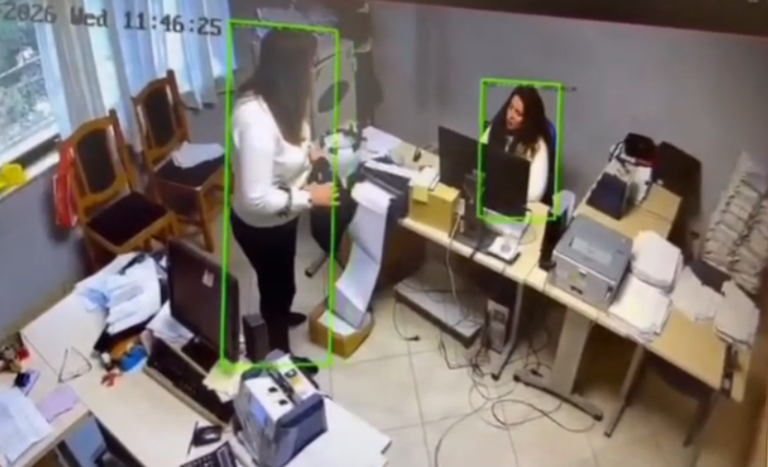
Publikohen pamjet, lëvizjet e dyshuara të parave brenda filialit të Postës Shqiptare në Durrës (VIDEO)

Po kalonte rrugën, gruaja përplaset nga makina në Elbasan, transportohet drejt spitalit

Pensionet e ulëta lënë vlonjatët pa pushime
- 15:20 Momente frike në SHBA, avioni prek pistën me bisht dhe shkakton shkëndija (VIDEO)
- 14:52 Publikohen pamjet, lëvizjet e dyshuara të parave brenda filialit të Postës Shqiptare në Durrës (VIDEO)
- 14:52 Zgjerohet shpërthimi i Ebolës në Kongo, OBSH: mbi 2 mijë raste dhe 1 mijë vdekje
- 14:50 Kompania ajrore Air France pezullon fluturimet drejt Lindjes së Mesme
- 14:45 Po kalonte rrugën, gruaja përplaset nga makina në Elbasan, transportohet drejt spitalit
- 14:43 Pentagoni identifikon ushtarin amerikan të vrarë në një sulm në Irak